Rising prices for RAM and flash chips, fueled by surging demand from AI data centers, could lead to the “death” of entire product lines — and even bankrupt companies unable to secure supply. That stark warning came from Pua Khein-Seng, CEO of Phison, a key manufacturer of SSD and flash memory controllers, in a television interview.
A few weeks ago, the world’s largest annual consumer electronics exhibition — the Consumer Electronics Show (CES) 2026 — came to an end. CES 2026 delivered a parade of ambitious consumer tech: AI companions, advanced driver assistance, home humanoids, and smarter devices for everyday life. It’s impressive, yet at times the demos feel like a polished version of ideas we’ve already seen in speculative fiction, with just enough “Black Mirror” energy to make you pause.
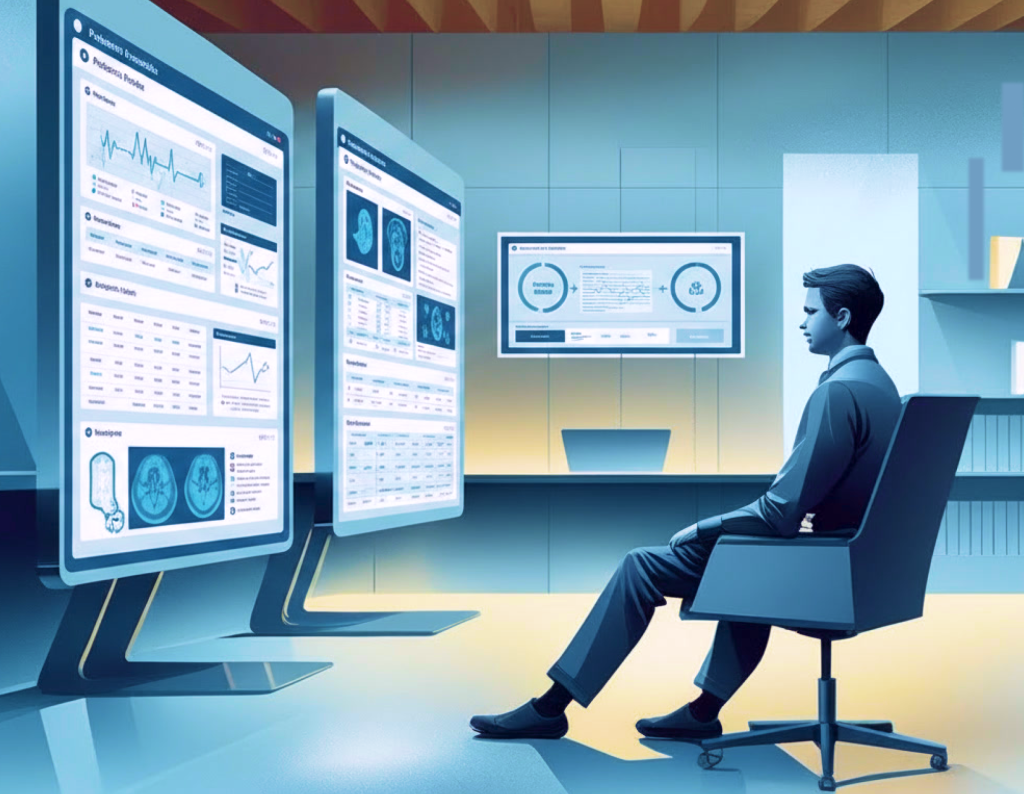
AI models for healthcare are proliferating, but most never leave the labs. Real-world deployment is far more complicated than any multiple-choice graduate exam – hospitals use different systems, data formats, and security protocols that resist standardization. Kaapana, an open-source platform developed at the German Cancer Research Center, addresses translation barriers by providing standardized infrastructure for medical AI research.
Inflation, exchange rates, sanctions, market panics—we dream of “calculating” all this in the era of big data. But in the case of any major economic crisis, the chain of human reactions (how officials, businesses, and consumers behave) is so unique and sometimes illogical that it breaks any model. In this interview, we’ll break down what AI can already do in economics and where it still “stumbles” over real life.