


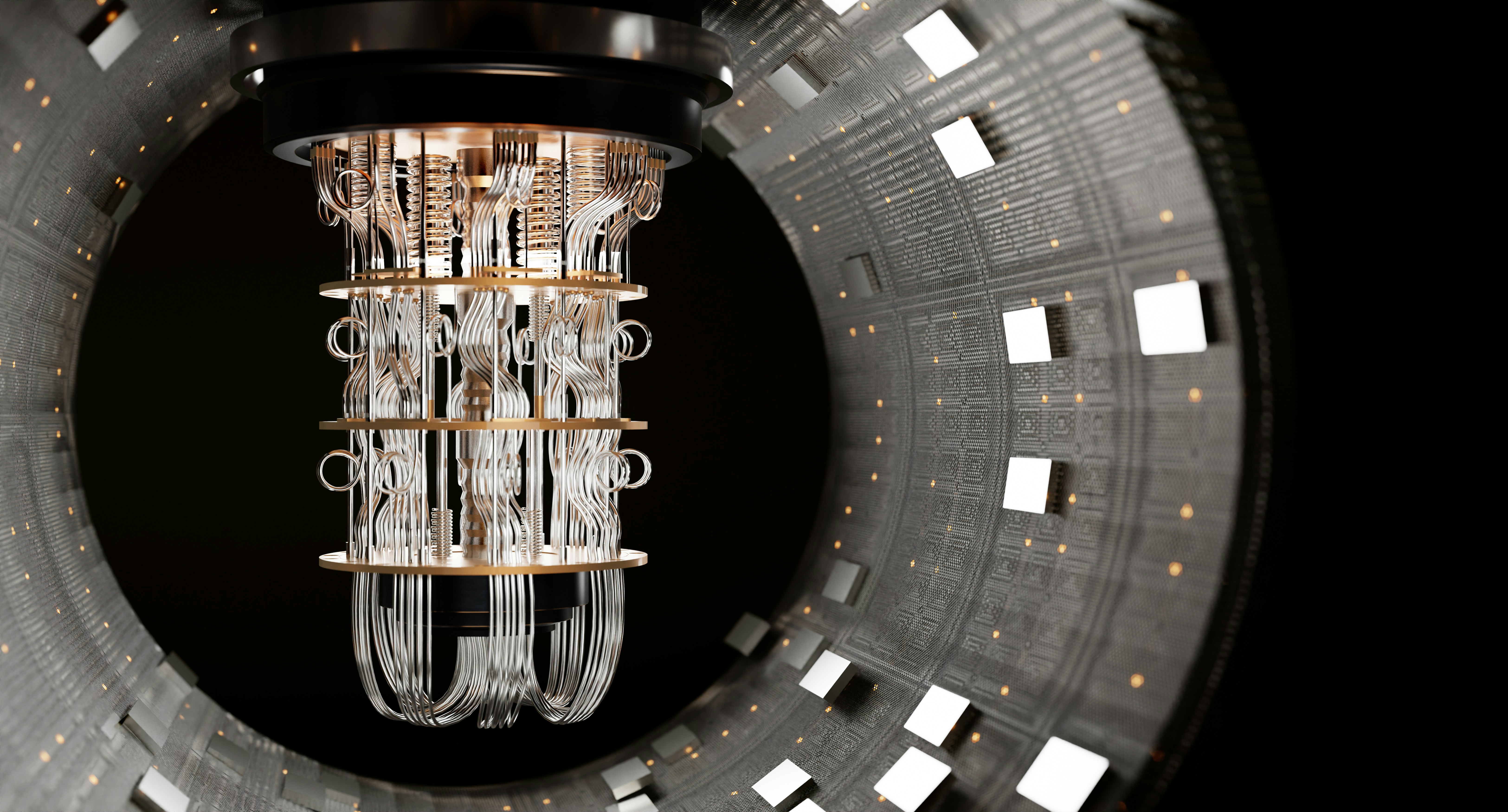
The final stage of the 30-month Quantum for Bio (Q4Bio) program, run by Wellcome Leap, is now underway. The goal is straightforward: test whether current – still limited – quantum computers can actually be useful in healthcare. Six teams have made it to the final round, each tackling specific medical problems using quantum technology.
The stakes are high. The program offers two prize tiers: $2 million for teams that successfully run a useful medical algorithm on systems with at least 50 qubits, and $5 million for solving a real healthcare problem using a minimum of 100 qubits. There’s a catch – the task must be something classical computers can’t handle.
In reality, most teams are taking a hybrid approach. Instead of relying purely on quantum machines, they combine them with classical computing systems. Quantum hardware handles the parts that are too complex for traditional methods, while the rest is processed using classical algorithms. It’s a practical workaround for today’s quantum limitations, especially issues with noise and error rates.
One example comes from a team at the University of Oxford, which is using quantum systems to analyze genetic diversity across humans and pathogens. The goal is to uncover patterns that could point to new treatment pathways. Another project, led by Algorithmiq in collaboration with the Cleveland Clinic, focuses on simulating a light-activated cancer drug. The therapy is already in Phase II trials, but progress has been limited by the inability to model it accurately on classical systems.
Meanwhile, Infleqtion is working on an algorithm designed to process massive medical datasets such as The Cancer Genome Atlas. The system aims to identify patterns that could help determine the origin of metastatic cancers, potentially improving treatment selection. Here, the quantum component is used to reduce the complexity of the problem, with final computations handled classically.
Even with this progress, expectations remain grounded. Program organizers acknowledge that meeting the full criteria for the top prize may be out of reach with current technology. Quantum computers are still error-prone, and scaling them remains a major challenge. It’s entirely possible that some prizes – including the top award – won’t be handed out.
Results are expected in mid-April. And even if no one takes home the grand prize, one thing is already becoming clear – the biggest gains aren’t coming from quantum systems alone, but from how they’re paired with classical computing. That hybrid model is likely where the first real medical use cases will emerge.