


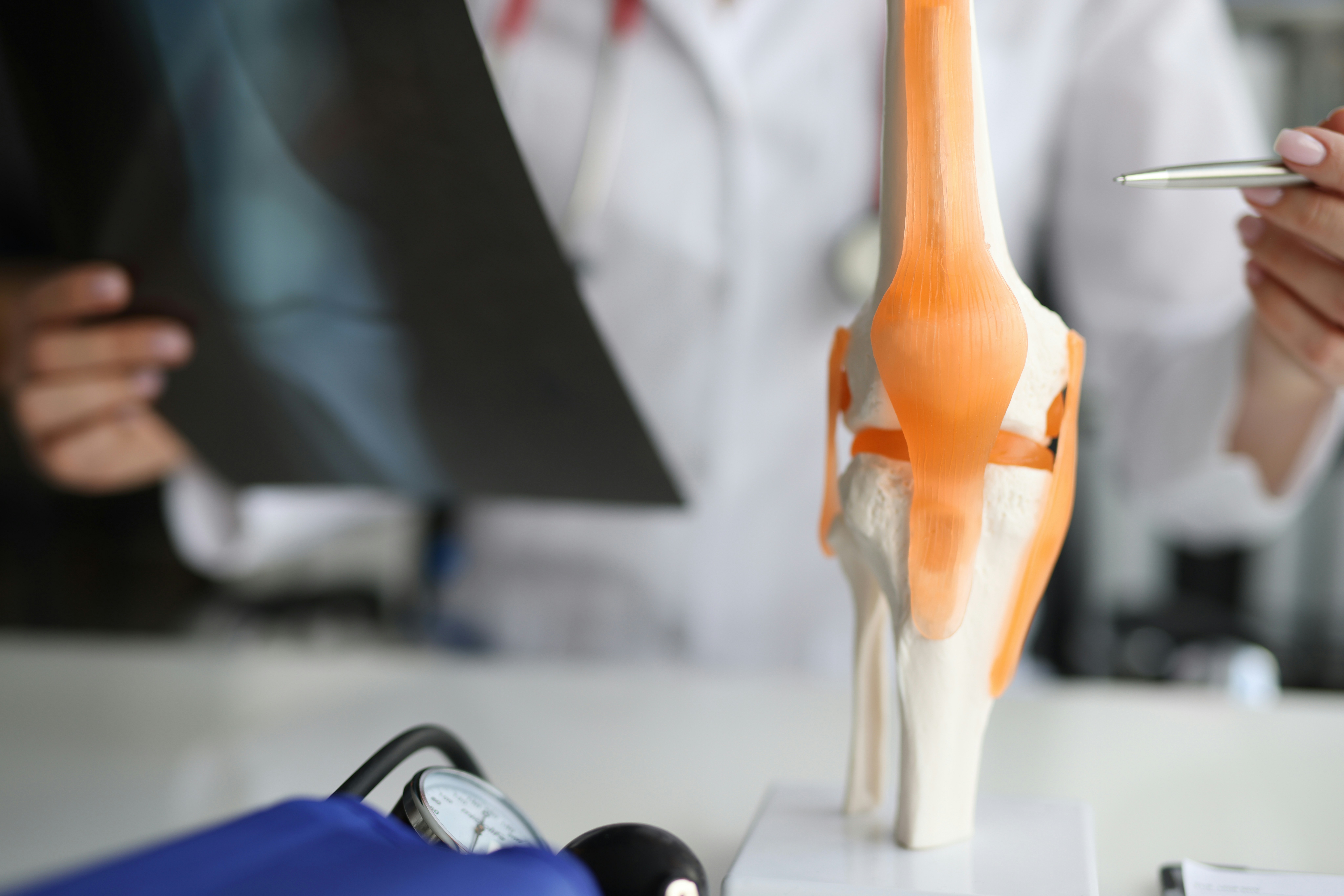
Osteoporosis is a serious and increasingly common disease. Early detection typically relies on a combination of densitometry and laboratory tests to measure bone mineral density. These methods, however, are time-consuming and relatively expensive. Scientists at Seoul National University Hospital (SNUH) have now presented an interesting alternative: an AI model that can detect osteoporosis from an ordinary chest radiograph.
The study examined data from about 14,502 women who between 2004 and 2019 underwent both chest X-rays and DXA bone-density scans. The researchers used four different foundation models — two trained on general images and two trained specifically on medical images — and then evaluated three fine-tuning strategies, including low-rank adaptation.
In the best-performing configuration (a generalist model + low-rank adaptation), the system achieved an AUC of 93%, placing it, according to the authors, among the top predictive methods currently available for assessing bone-density changes from X-rays. A key aspect of the study was the inclusion of an explainability mechanism, highlighting specific anatomical structures (e.g., spine, ribs) on which the AI based its conclusions. This allowed the researchers to avoid the classic “black box” issue in medical AI, ensuring that each assessment came with a clear visual justification.
If adopted more widely — for example, as part of routine screening programs — the tool could significantly lower barriers to early osteoporosis detection, especially in regions where DXA densitometry is scarce or expensive.
However, experts emphasize that despite the promising results, densitometry remains the diagnostic standard. X-ray–based AI tools should be used strictly as preliminary screening, while final diagnoses and treatment decisions must still rely on confirmed tests and clinical evaluation.