


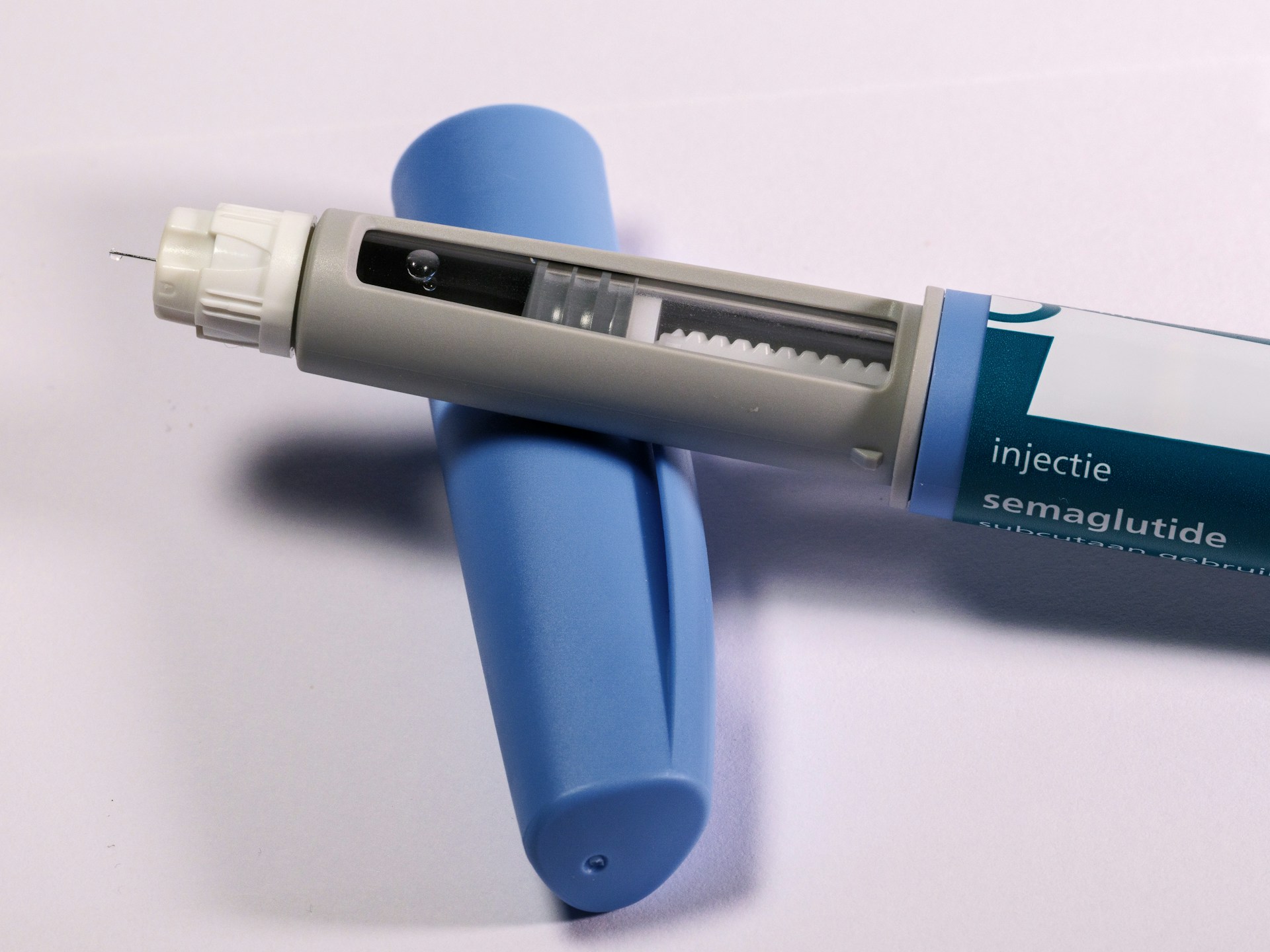
BrightGene announced positive Phase 1 clinical trial results for BGM0504, an oral GLP-1 receptor agonist being developed for obesity treatment. The trials were conducted in China and the United States, focusing on safety, tolerability, and pharmacokinetics.
BGM0504 belongs to the same class of drugs as widely used treatments for obesity and type 2 diabetes, such as semaglutide. The key difference is how it’s taken – instead of injections, it comes in pill form. In the study, the drug was generally well tolerated, with a safety profile consistent with expectations for this class.
The company also reported pharmacodynamic effects suggesting potential for weight loss. However, no detailed numerical data on weight reduction was disclosed, which is typical at this early stage of clinical development.
The trial was preliminary and involved a small number of participants, meaning the findings still need to be confirmed in later phases. At this point, the focus was on basic safety and whether the drug reaches effective concentrations in the body when taken orally.
We also asked for commentary from deep-tech analyst and pharmaceutical chemist Siarhei Besarab, who urged caution.
“From a pharmaceutical chemist’s perspective, the successful completion of Phase 1 trials for an oral GLP-1 receptor agonist is a small, localized, but nonetheless real, breakthrough. It is a proof of concept for oral delivery of peptide GLP mimetics. And that matters, because large peptide molecules simply don’t make it through the GI tract – they’re rapidly degraded by enzymes, collapsing bioavailability to zero. Somehow, the developers managed to stabilize the molecule well enough to achieve a functional therapeutic absorption profile and produce the long-awaited weight loss effect. But let’s not forget: this is Phase 1.
And Phase 1 means small participant numbers and a basic assessment of safety, tolerability, and pharmacokinetics. Everything that actually matters for the broader human population – real clinical efficacy, variation in individual absorption among people with different gastric acidity levels, even different microbiomes – all of that will remain unknown until Phase 2 or even Phase 3.
So I’d recommend treating this news – along with all similar announcements and press releases – purely as an investment and marketing move. The global GLP mimetics market is overheated right now. Dozens, if not hundreds, of startups are racing against giants like Eli Lilly and Novo Nordisk, which have been working on oral GLP drugs for a while. Publishing early results is often more about signaling to investors or attracting partners to fund the costly later trials.
For investors, it’s a signal. For scientists and potential patients, it doesn’t really tell you whether the drug will ever make it to market. If anything, the best move right now is to wait until a tablet version actually shows up in pharmacies – or more likely, something like tirzepatide.” – Siarhei Besarab
Developing oral drugs in this category is one of the key directions in metabolic medicine. Most effective GLP-1 therapies today still require injections, which can be a barrier for some patients starting or continuing treatment.
A pill-based version could make a real difference. No needles means better comfort and potentially better adherence – especially in long-term treatments like obesity or diabetes.
For now, BrightGene hasn’t shared a timeline for the next trial phases or a potential launch date. The drug is still very early in clinical development.