


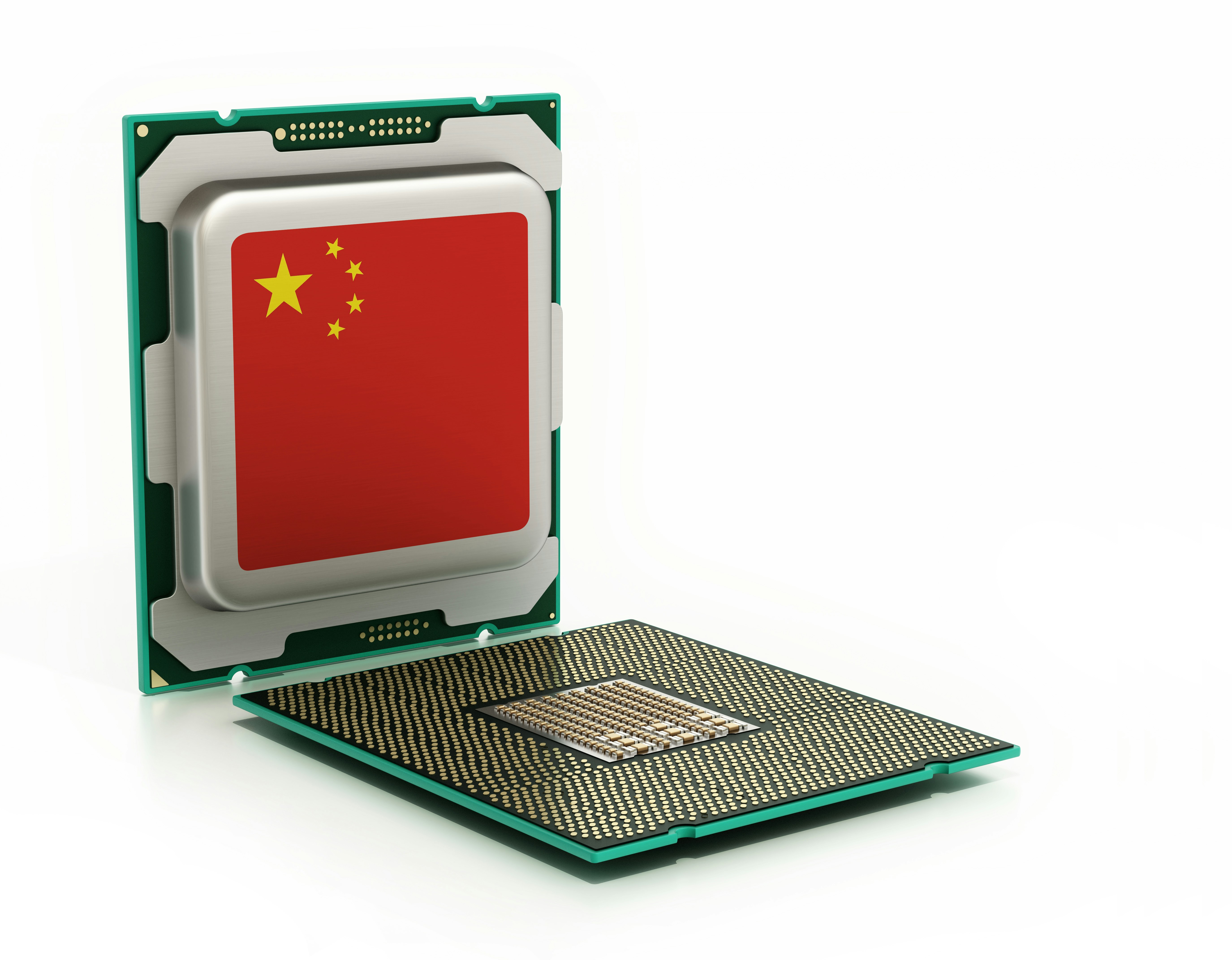
For some time now, U.S. restrictions on AI chip trade with China have remained in force. In response, authorities in Beijing have decided to take matters into their own hands, encouraging domestic companies to develop their own solutions competitive with Nvidia’s — a move that has clearly resonated with investors.
Both MetaX and Moore Threads recorded sharp share-price increases on their debut trading days, reflecting strong investor demand for domestic alternatives to Western AI chips. The two companies design GPUs and compute accelerators for data centers and machine-learning workloads, aiming to fill the gap left by China’s reduced access to Nvidia’s advanced processors.
However, market enthusiasm does not yet translate into a technological breakthrough. MetaX and Moore Threads chips trail Nvidia’s products in terms of performance, energy efficiency, and the maturity of their software ecosystems. Still, investors are betting that with state support and large domestic orders, this gap could gradually narrow — especially for inference workloads and less demanding AI applications.
From China’s perspective, the successful IPOs of both companies signal that the domestic capital market is capable of financing the costly, long-term development of semiconductors, even if returns are delayed. As CNBC notes, these debuts fit squarely into China’s broader strategy of technological self-sufficiency, in which access to AI chips is treated as a matter of national security.
For the United States, the success of MetaX and Moore Threads illustrates both the effectiveness and the limitations of export controls. While the restrictions have slowed China’s access to the most advanced chips, they have also accelerated the mobilization of capital and talent around domestic semiconductor projects, which could reduce long-term dependence on U.S. technology.
The implications are particularly interesting for Nvidia. While the rise of Chinese competitors does not yet pose a direct technological threat, it could lead to a gradual loss of access to one of the world’s largest growth markets once restrictions are lifted. Even if Chinese chips fail to quickly match Nvidia’s solutions, the sheer scale of China’s internal market may allow local companies to survive and grow without needing to be globally competitive.