


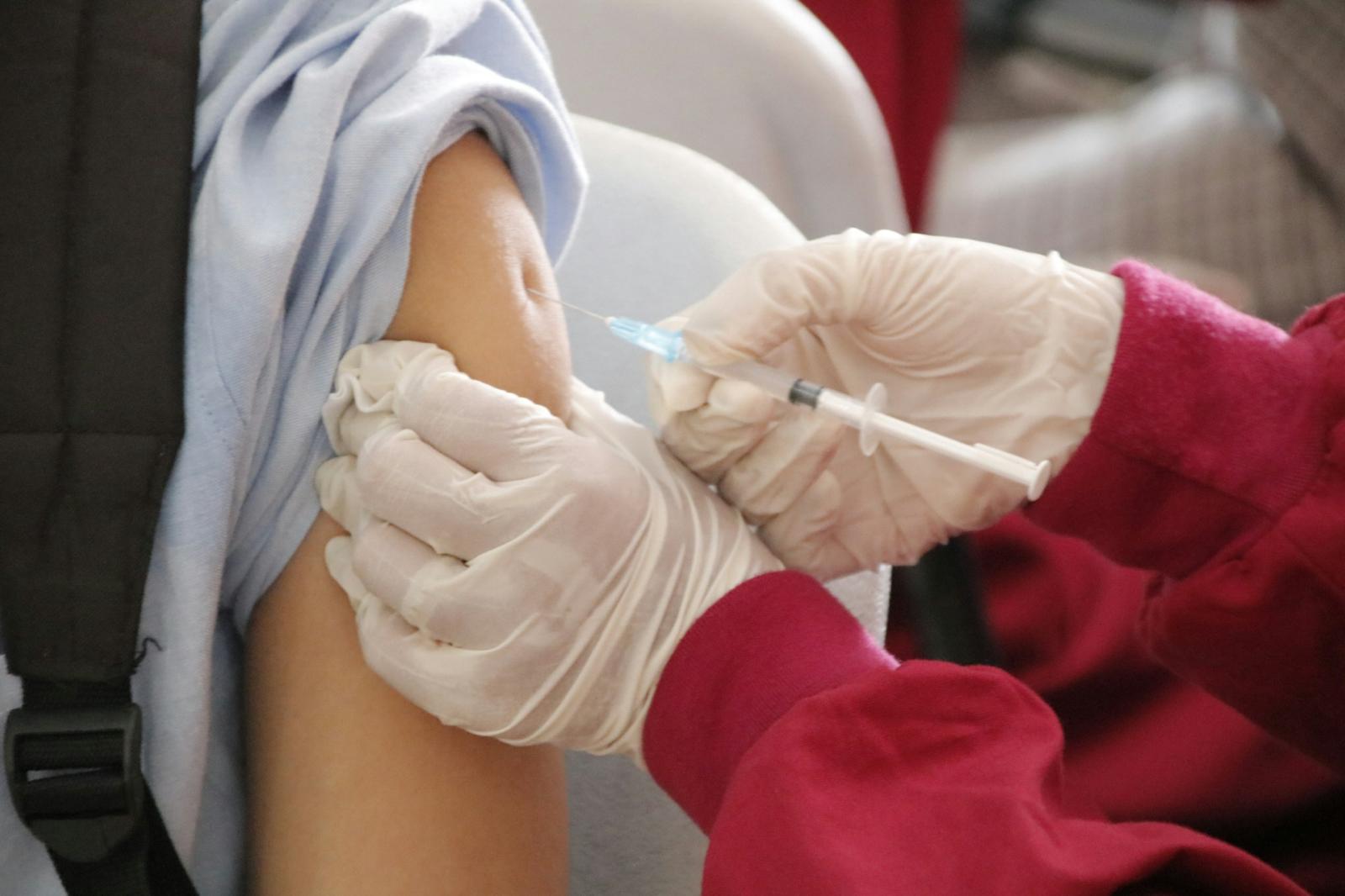
The safety assessment was based on observational analyses of health insurance claims data from the 2023–2024 and 2024–2025 flu seasons, using a self-controlled case series design. The studies compared the frequency of febrile seizures on the first day after vaccination with a control period from days 8 to 63 after vaccination in children aged 6 months to 4 years.
The results showed a statistically significant relative increase in risk in the 0–1 day window: for quadrivalent vaccines, the risk was about two times higher, and for trivalent vaccines it was nearly three times higher than during the control period. At the same time, the absolute number of additional febrile seizure cases remains very low per million vaccine doses administered. The labeling updates are expected to cover products including Afluria, Flucelvax, Fluzone, Fluarix, Flulaval, and FluMist.
Febrile seizures are brief convulsions triggered by fever, most commonly occurring in young children, and they generally do not lead to long-term neurological consequences. Vaccine safety monitoring systems, including those run by the CDC and FDA, have previously noted a small increased risk of febrile seizures after certain vaccinations, particularly when the influenza vaccine is given at the same time as other vaccines, such as pneumococcal or DTaP.
Under U.S. law, the FDA has classified these findings as “new safety information” and has asked manufacturers to propose changes to product labeling within 30 days or to provide justification for why such changes would not be necessary. The purpose of updating the labels is to ensure that physicians and caregivers are aware even of rare safety signals, supporting informed clinical decision-making and discussions with families.
Despite this safety signal, the CDC and FDA continue to recommend annual influenza vaccination for eligible children and adults. Although febrile seizures can be alarming for caregivers, they are usually mild and most children recover without complications. Parents and guardians are advised to follow recommended immunization schedules and to discuss any concerns about potential side effects with their healthcare providers.