


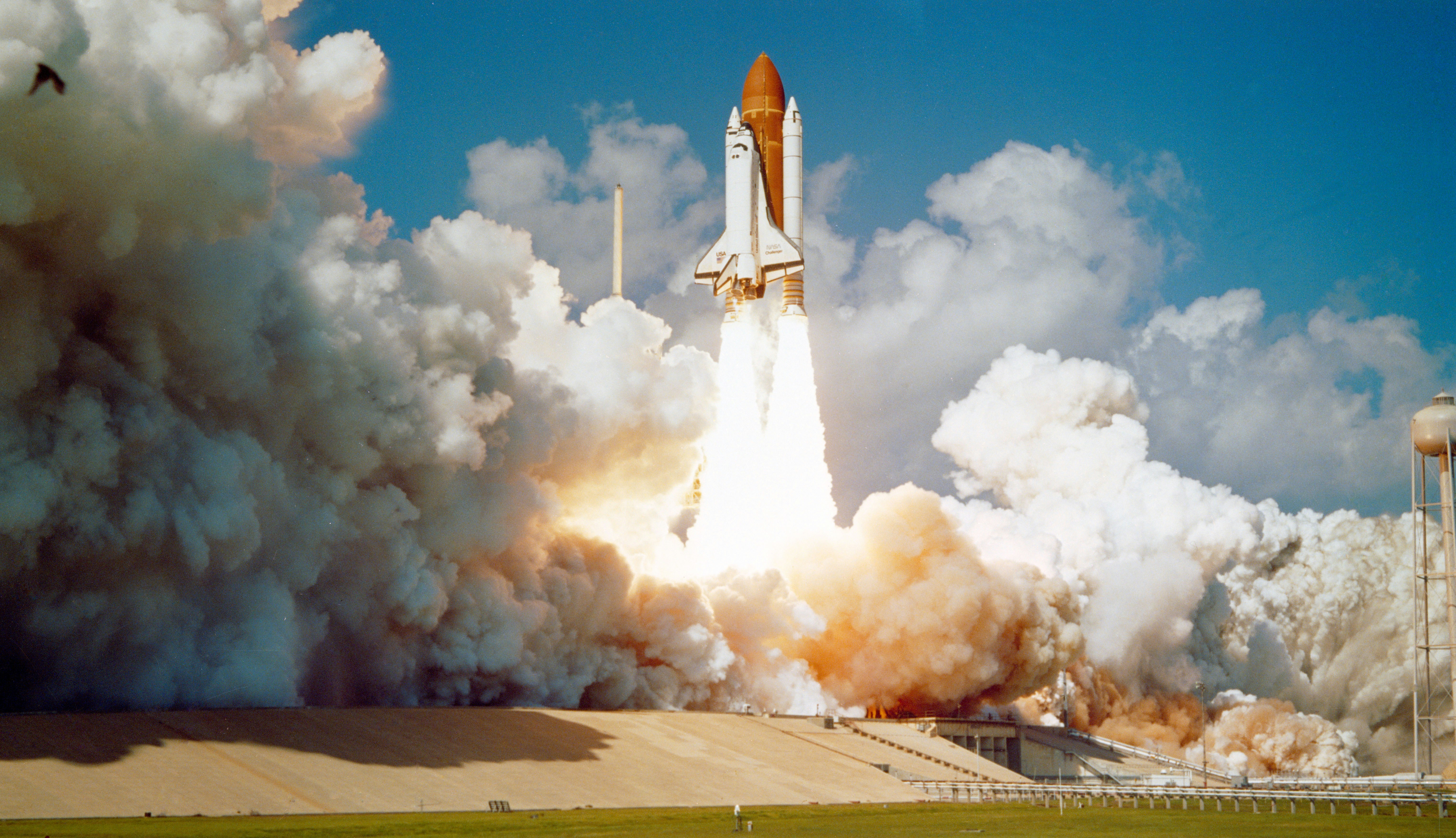
NASA is wrapping up preparations for the launch of Artemis 2, the first crewed mission in its program to return humans to the Moon. The latest update sets liftoff for no earlier than April 1 at 6:24 p.m. EDT from Kennedy Space Center in Florida.
Artemis 2 will be the first mission in more than 50 years to send astronauts to the Moon. A four-person crew will fly aboard the Orion spacecraft, launched by the Space Launch System (SLS) rocket. The mission does not include a landing – astronauts will perform a flyby of the Moon and return to Earth, testing systems in real crewed flight conditions.
The launch can be watched live here:
The road to this point has taken longer than originally planned. The Artemis program has faced multiple delays tied to testing and certification of key systems. After the uncrewed Artemis 1 mission, NASA carried out detailed analysis of the Orion capsule, including its heat shield, which experienced more wear during reentry than expected.
NASA also had to refine life support systems, crew safety measures, and the integration of the full stack – the SLS rocket and Orion spacecraft. Each of these components has been in development for years and required additional testing before being cleared for a crewed mission.
Some of the delays also reflect a cautious approach to the first crewed flight beyond low Earth orbit in decades. NASA has repeatedly stressed that crew safety comes first, which meant pushing the launch until the systems were fully ready.
Artemis 2 is a key step in the US space program, which aims to return humans to the Moon with Artemis 3. Longer term, the plan includes more ambitious projects such as building lunar infrastructure, including the Gateway station, and developing technologies needed for future crewed missions to Mars.
The success of this mission will largely shape the pace of NASA’s next steps and the return of humans to the lunar surface after more than half a century. It does sound exciting!