


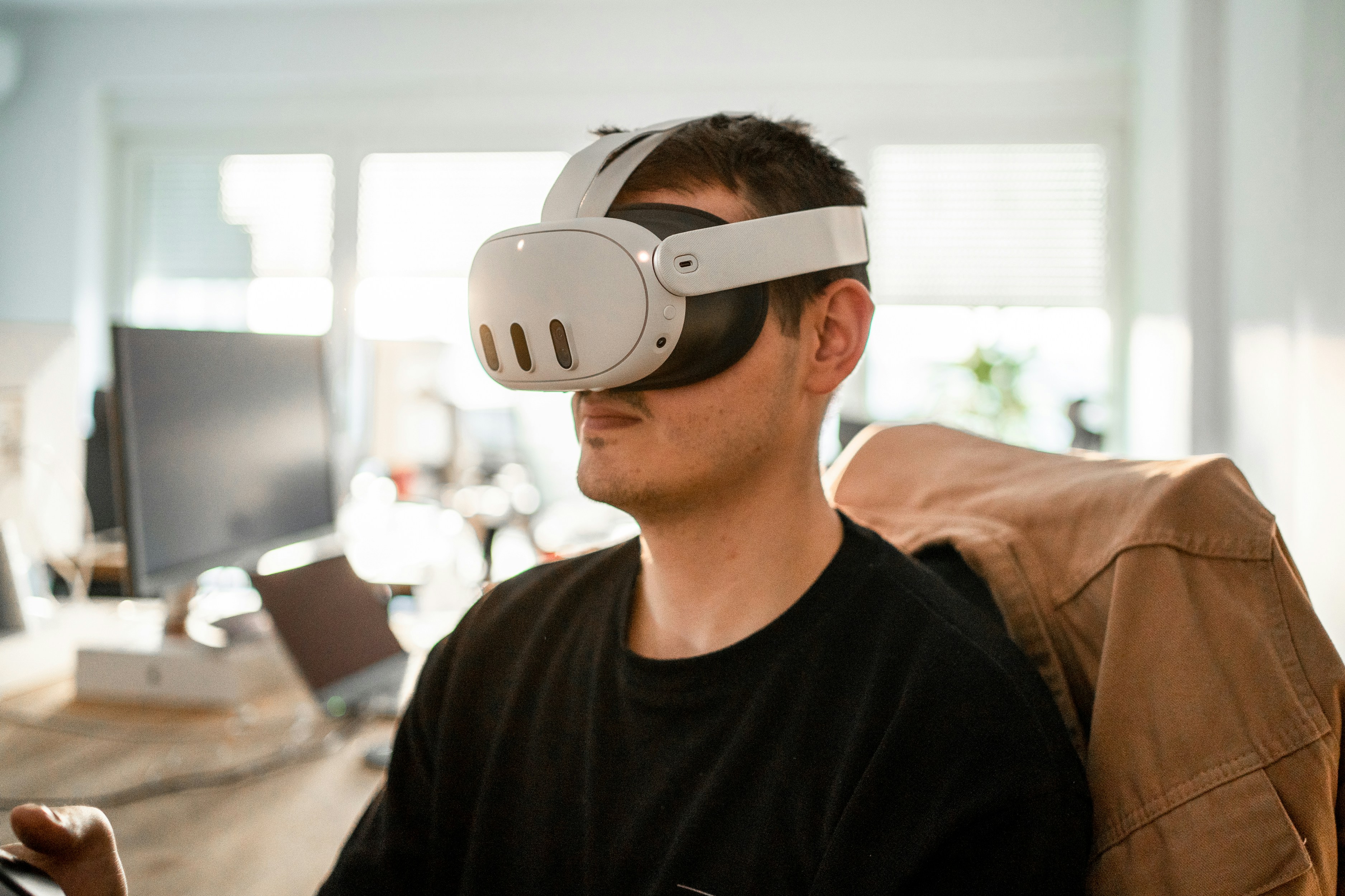
Meta is beginning to step back from its Metaverse initiative, which just a few years ago sat at the heart of the company’s long-term vision. According to market reports, the company is dialing down development of certain virtual world products and initiatives, while redirecting resources toward AI.
The biggest issue turned out to be cost. Reality Labs, the division behind the Metaverse, has racked up nearly $80 billion in losses since 2020. In 2023 alone, losses topped $16 billion, and the following years have continued to pile on multi-billion-dollar deficits. At the same time, revenue from VR headsets and services tied to Horizon Worlds has remained limited.
As part of the shift, Meta is also reducing headcount in teams tied to the Metaverse. The company has already carried out large-scale layoffs affecting thousands of employees, with some cuts hitting teams working on virtual environments. Meta is tightening its belt and pulling back from projects that haven’t delivered.
For years, the Metaverse was front and center in Mark Zuckerberg’s strategy. The company even rebranded from Facebook to Meta, and the CEO repeatedly framed virtual worlds as the future of the internet – a place where people would work, socialize and spend their time.
In reality, adoption fell well short of expectations. Products like Horizon Worlds failed to attract a mass audience, and the VR market has grown much more slowly than anticipated. At the same time, the rapid rise of generative AI has reshuffled priorities across the entire tech industry.
Meta isn’t shutting down VR and AR entirely, but they’re no longer the main focus. The company is now putting far more weight behind AI models, which are easier to integrate into existing products and monetize.
Looking at the numbers now, it’s clear this didn’t play out the way Meta expected. Zuckerberg spent years pitching the Metaverse as the next big thing and poured massive resources into it. Now, after tens of billions in losses, the project is being pushed to the sidelines while the company looks for growth elsewhere. In hindsight, the skeptics who questioned the vision from day one may have had a point.