


A video circulating online shows a Neuralink patient playing World of Warcraft without using their hands. The footage, published on X by British Army veteran Jon Noble, shows him navigating the game and interacting with its interface using only brain signals.
The recording shows smooth movement through the game and participation in more complex activities, suggesting that the brain–computer interface allows for precise, real-time control. It is one of the clearest demonstrations so far of this technology working outside a laboratory setting.
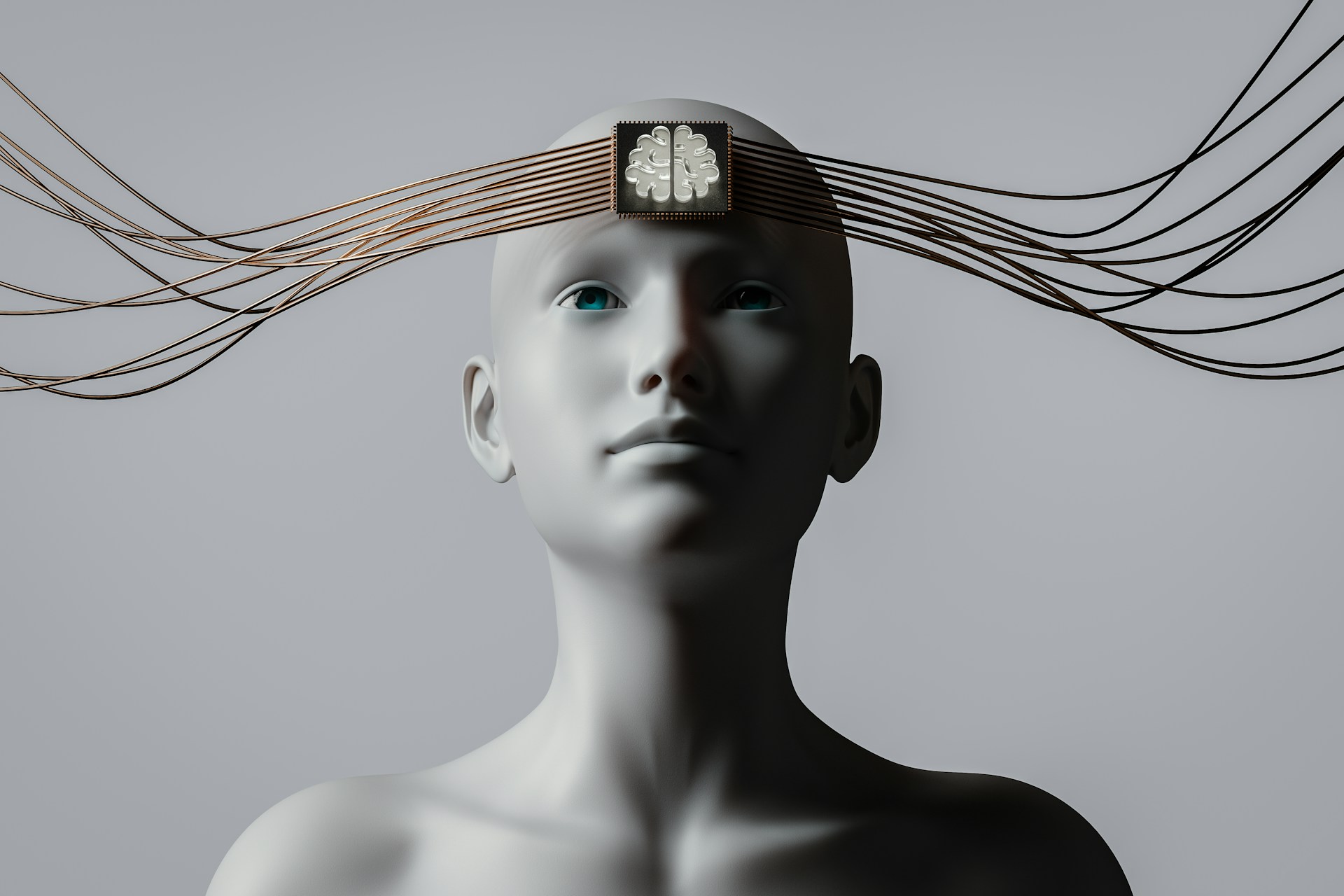
Neuralink’s system is based on an implant placed in the brain that records neural activity and translates it into control signals for a computer. This allows people with limited mobility to use digital devices without relying on their hands.
The ability to play games, move through virtual environments, and take part in digital entertainment can meaningfully improve quality of life for people with paralysis and help restore a degree of independence.
At the same time, questions remain about the long-term effects of such implants. Asked for comment, AI & ML expert, data scientist, algorithm designer and image processing specialist, Peter Meijer pointed out that the implant consists of 64 threads with 16 electrodes each, rather than 1,024 independent elements as suggested in the X post. He also stressed that this is not a case of a healthy user enhancing their body, but a patient being treated for serious motor impairments.
Meijer also highlighted key unknowns around durability: “It is clear that the implant can add greatly to quality of life for people with severe motor problems, but it is still unknown how long the electrodes will last, and what will happen once the implant fails.” He also raised questions about scalability: “How can and will Neuralink handle future “field returns” for thousands of patients? Does that scale?”
You can clearly see the rapid progress of science here. Brain–computer interfaces are moving quickly and could have a real impact on patients’ lives and comfort. However you have to remember that this technology is still at a very early stage. Its long-term safety and durability are not yet fully understood, which makes the idea of implanting it in healthy individuals looking to “enhance” themselves very, very risky for now.