


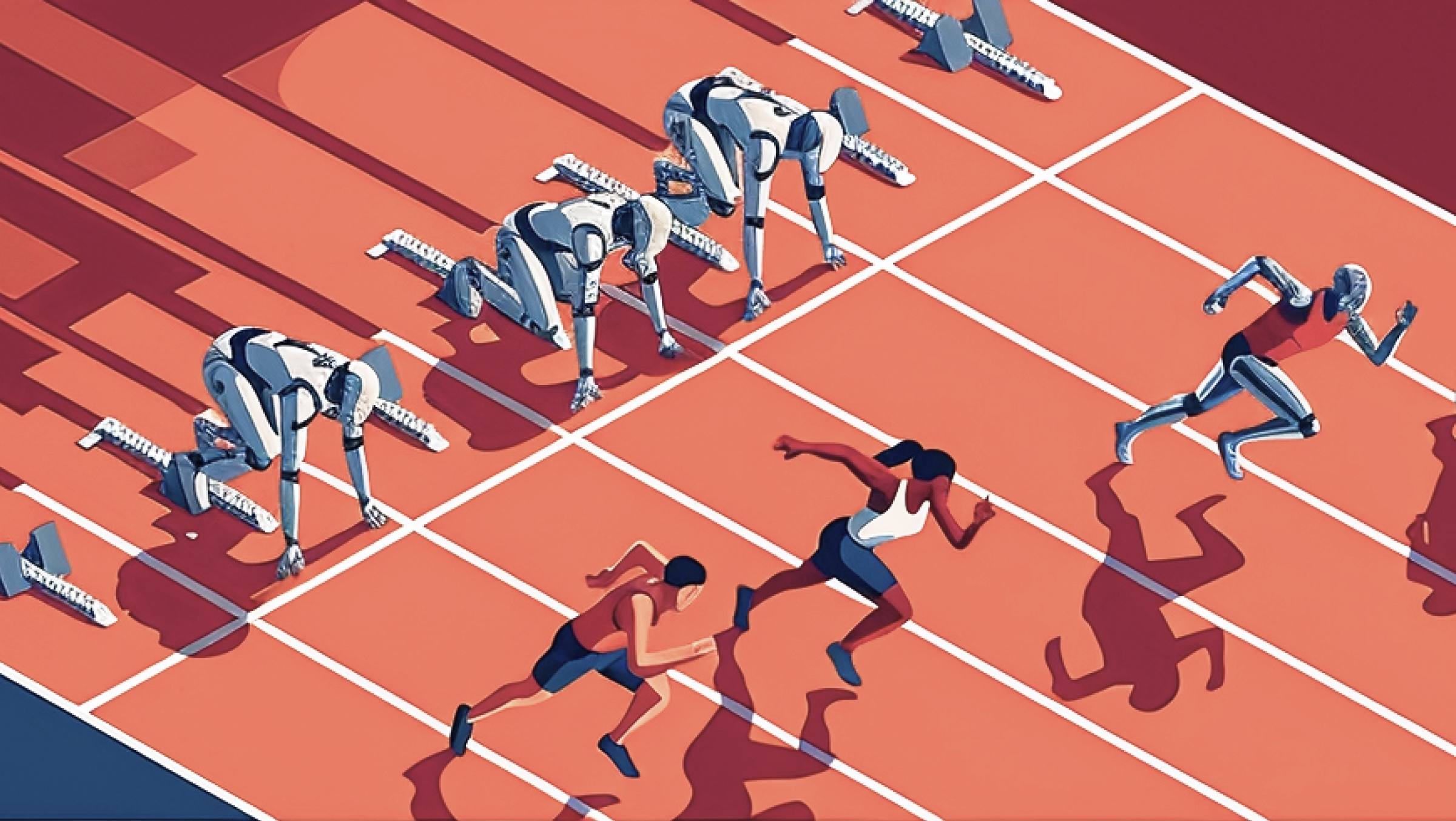
In May 2026, Las Vegas is set to host the inaugural Enhanced Games — a competition its organizers pitch as an alternative to traditional sports. The concept is as simple as it is explosive: athletes will be permitted to compete using substances and methods banned under anti-doping rules, but, according to the project’s creators, under medical supervision and in a fully transparent framework. The official website lists May 24, 2026 as the opening date. The program includes swimming, athletics, and weightlifting.
The founder and chief ideologist of Enhanced Games (EG) is entrepreneur Aron D’Souza. Among the project’s investors is prominent tech entrepreneur Peter Thiel, co-founder of PayPal and an early Facebook investor — a figure long considered one of Silicon Valley’s most controversial. The project itself promises not just spectacle and records, but also scientific insights and medical discoveries, explicitly tying the sporting event to the broader agenda of biomedical human enhancement.
Which is precisely why the debate around EG has long since outgrown the conversation about doping. For critics, it’s a dangerous experiment on human subjects that undermines the very idea of fair play. The World Anti-Doping Agency (WADA) called the project’s concept dangerous and irresponsible, warning of risks to athlete health and the integrity of sport. For supporters, it’s the opposite — a moment of truth: an acknowledgment that sport, medicine, and technology have long been intertwined, and that it’s time to stop pretending the natural human exists in some sterile bubble, untouched by pharmacology, implants, and body engineering.
To explore why Enhanced Games is generating so much buzz, whether it could become a technological as much as a sporting turning point, and where the line falls between progress and a new form of exploitation, we spoke with Siarhei Besarab, a research chemist and visiting researcher at the Global Catastrophic Risk Institute (GCRI), futurist, and transhumanist.

2Digital: Let’s start with the basics. What are the Enhanced Games, in your view? Just a tournament where doping is allowed — or already a manifesto for a new era?
Siarhei Besarab: I’d put it this way: this isn’t just a sporting competition — it’s an existential bifurcation point, a fork in the road for humanity. Let me walk through the key checkpoints.
Clinical trials. Today, doping control is slow, expensive, and hemmed in by bioethical constraints. Enhanced Games, on the other hand, occupy a regulatory gray zone for science — one where people can, with informed consent about the health consequences, begin using a range of cutting-edge therapeutic approaches. The competition rules permit CRISPR-based gene engineering, myostatin inhibition interventions, anabolic steroids, and nootropic drugs.
For now, the pharmacological component dominates. But talk of implants and prosthetics is growing louder. In essence, we’re watching what was once a fringe pursuit for biohackers and body-modification enthusiasts being placed on equal footing with mainstream medicine.
Technology transfer. At this point, the Olympics offer little beyond spectacle. When it comes to technology, even minor changes in elite sport are adopted with enormous reluctance.
Given that humanity has essentially hit the ceiling of physical potential, the picture looks pretty bleak. World records are broken less and less often, the margins of improvement are shrinking, and the doping scandals lurking behind those so-called breakthroughs are multiplying. The IOC keeps selling the promise of miracles — and the miracles never come. WADA, meanwhile, has turned into a punitive body dispensing selective justice.
EG looks radically different. It’s open competition between medicine, pharmacology, and engineering — completely transparent about it, you might even say unapologetically cynical. And the technologies road-tested on those stages and arenas could soon find their way into everyday life. Just as ABS and active suspension once crossed over from Formula 1 into mass-market car manufacturing. Put simply: the drug that lets an athlete run a hundred meters in eight seconds might later be what keeps your grandmother from falling and fracturing her hip.
Extreme data. By giving informed consent, athletes — if we can still call them that — effectively become stress-testers of human potential under extreme conditions. These will be drugs, implants, and technologies that would typically never be administered to a standard patient. In effect, a unique dataset will be generated for future research.
Enhanced Games matter well beyond sport. This is a project at the intersection of athletics, biotechnology, market forces, and a new conception of what it means to be human. The organizers are saying: let’s stop pretending that artificial human enhancement is something marginal, underground, and shameful.
2Digital: Why does mainstream medicine and sport react with such resistance?
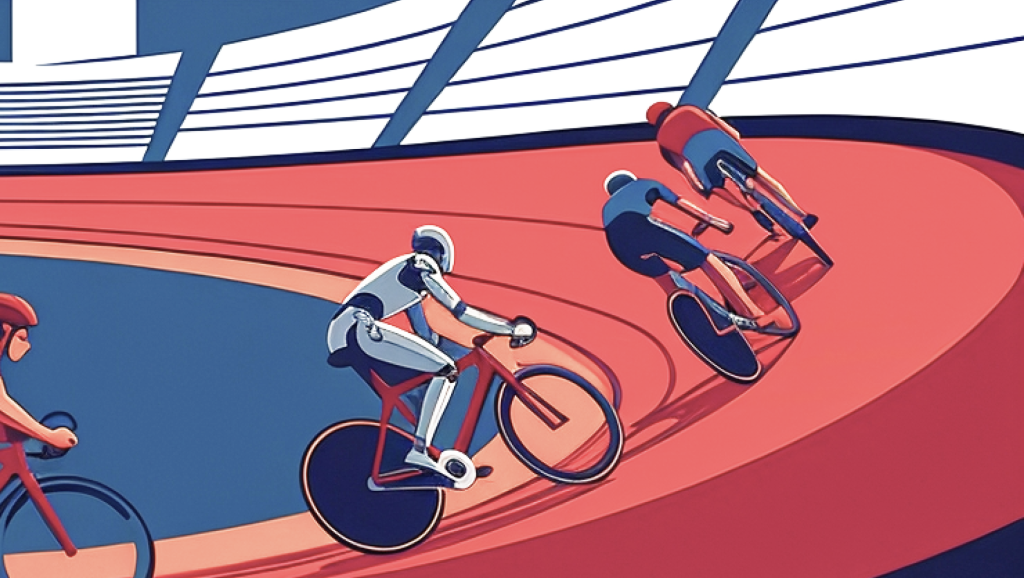
Siarhei Besarab: Because traditional medicine operates primarily within the logic of returning a person to an accepted norm. Someone gets sick — the goal is to bring them back to a more or less average, acceptable state. Enhanced Games, if you look at them philosophically, offer a different framework entirely: not restoring the sick to a baseline, but making a shift from homeostasis to allostasis — adaptation through change.
The same goes for sport. It’s a completely different logic: the human body is treated as a system that can be optimized, reconfigured, upgraded.
In effect, this turns both the foundational postulates of medicine and the core assumptions of sport on their heads. I’m not saying it will be a straightforward revolution — I can’t even promise it will lead to positive outcomes. But it certainly won’t be boring.
EG legalizes the idea of biohacking. Society is being asked to acknowledge that clean sport hasn’t existed for a long time — what we have is a pharmacological arms race that’s been hiding in the shadows. So let’s drag it into the open and shift the Overton window from doping as cheating to doping as a tool.
Though in essence, Enhanced Games aren’t offering anything fundamentally new. The East Germany of the 1970s and 80s, for instance, ran what became known as the record factory — State Plan 14.25 — in which athletes were systematically fed steroids, the key substance being Oral Turinabol, produced by Jenapharm, without their knowledge or consent. The most widely known case is that of Heidi Krieger, the 1986 European shot put champion. Steroids were secretly administered to her under the guise of harmless vitamins, progressively altering her hormonal status and phenotype. She later became Andreas Krieger.
2Digital: What’s the most serious ethical barrier here?
Siarhei Besarab: What happens is that the athlete ceases to be a subject — they become the driver of a racing car that is their own body. And behind the car’s tuning stand corporations. Pfizer, Neuralink, Boston Dynamics, and others will have their own corporate stables. It’s a legitimate opportunity for them to showcase their work, road-test their developments live, in front of millions of people.
Given the escalating risks athletes face, you could argue they’re becoming modern-day gladiators. When a person signs informed consent for experiments on their own body, that doesn’t necessarily mean they truly understand the consequences. Especially when they’re 23 or 25 years old, with money, fame, reach, and records dangled in front of them, while the long-term risks are hazy, deferred, and enormously difficult to grasp.
EG is a test for humanity — a probe into where the limits lie once you take your foot off the bioethics brake. But even when swept up in EG’s techno-optimism, the past deserves its own corner of your mind. The history of the Second World War shouldn’t be forgotten.
EG’s evangelists argue that bioethics ties science’s hands. History, however, has a different view on that. The one time the brakes were removed from bioethics — the research conducted by physicians of the Third Reich — demonstrated that 100% biological efficiency requires the complete erasure of empathy. The Nuremberg Code was written in blood not to impede progress, but to ensure that science doesn’t devour us.
2Digital: You’re talking about uncomfortable questions that will almost certainly surface at the very first Games. What about the longer arc?
Siarhei Besarab: Over time, Enhanced Games could effectively become a harbinger of a new kind of social stratification — a species-level specialization. Broadly speaking, they will divide society into ex-humans and post-humans.
Just think about it: today, body modification for athletic performance; tomorrow, cognitive enhancement. If we allow athletes to install modifications in pursuit of a gold medal, what stops us from allowing managers to use aggressive neurostimulants to boost their KPIs? — especially given that they’re already doing exactly that through the so-called Silicon Valley protocols. That’s how we inch our way toward a world where refusing modification equals professional obsolescence.
There’s also a humanitarian dimension: the risk of turning the human body into an engineering project, where the athlete’s identity becomes secondary to, say, their blood composition.
2Digital: Then again, the debate over how far a person has the right to own their own body has been going on for a long time. Drawing that red line keeps getting harder.
Siarhei Besarab: Which is precisely why so many libertarians are enthusiastic supporters of the Enhanced Games — including one of their apostles, Peter Thiel. In essence, EG is bringing a manifesto of bodily autonomy into the world. Remember the classic feminist rallying cry, “my body, my choice”? It appears that its scope is now expanding well beyond feminism. If someone is willing to trade 20 years of their life to run faster than Usain Bolt and earn a million dollars — who has the right to stop them? Society is beginning to rethink the boundaries of ownership over one’s own body, one’s own biological material.
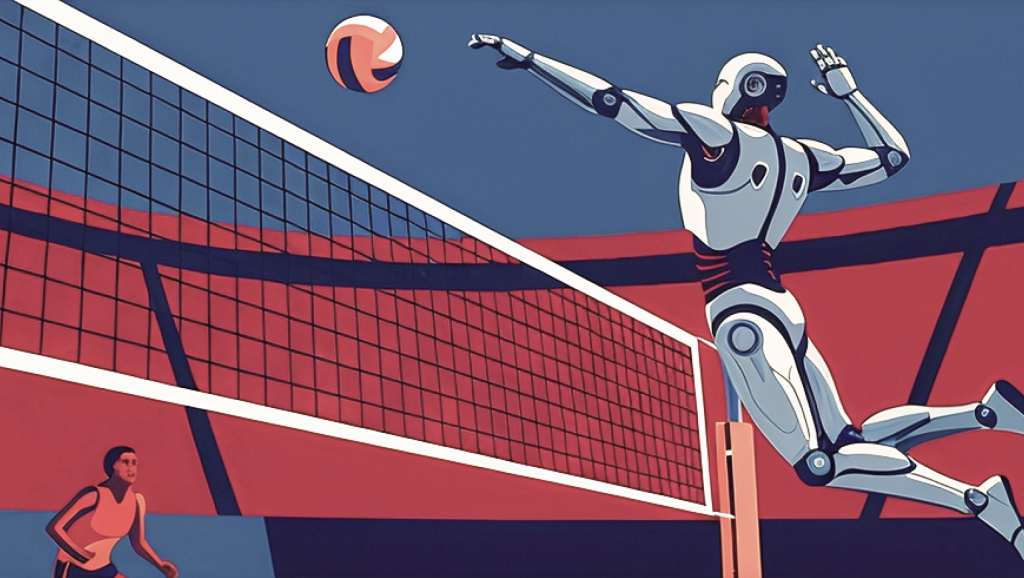
The ideas behind EG echo the transhumanist philosophy of Max More, who postulated the principle of proactivity: the risks of technology should be assessed through its performance in real-world conditions — not the way it’s currently done, passively, through inaction (“don’t do anything until you can prove 100% safety”). More, incidentally, also developed the concept of “morphological freedom” in his work — the right of individuals to alter their physical form as they see fit.
2Digital: Could the emergence of Enhanced Games force traditional sport to rethink its anti-doping model?
Siarhei Besarab: I don’t believe they’ll merge into something unified or significantly reshape each other. Most likely, each will go its own way. EG will probably keep building momentum, while the traditional Olympics — they won’t vanish overnight — will become a kind of last refuge for conservatives and puritans. Think of it like contemporary opera and ballet: prestigious, expensive, state-subsidized, and… dull.
While popular culture lives somewhere else entirely. The IOC will most likely become a ceremonial figurehead, a custodian of tradition — like a Kabuki theatre or a medieval re-enactment society. All the youth energy, the tech hype, and the mass-market money will flow toward EG, because modern audiences hunger for authenticity. The classical Olympics reads as dishonest; EG says, “yes, we use enhancement — and we own it.”
Right now, any mention of Enhanced Games triggers visceral panic in the traditional institutions that, let’s say, have long fed off athletes’ efforts.
But if the Games run well and become a regular fixture, the Olympic Committee will have no choice but to adapt — adjusting its regulatory framework in an attempt to at least partially offset the fallout from its growing attention crisis.
The “purity” of Olympic sport has been a widely understood hypocrisy for years. It’s getting harder and harder to sell audiences the myth of the “clean record” when doping scandals, therapeutic exemptions, disputes over rule fairness, and the creeping sense that biological limits are nearly exhausted have been the backdrop for decades. In that context, Enhanced Games are dangerous to the establishment not merely as a scandal, but as a seductive alternative model — more aggressive, more spectacular, more honest in its cynicism. The classical Olympics is a museum where we can observe humanity’s past. EG is a proving ground for the future — frightening, perhaps, but the future nonetheless.
2Digital: Where do you see Enhanced Games in 5–10 years? How do you envision the project developing?
Siarhei Besarab: In the first phase, it will almost certainly be driven by high ratings off shock value alone. Just recall Travis Tygart, head of the US Anti-Doping Agency, who called EG a “dangerous clown show.” If the opening act doesn’t end in a string of deaths, criminal cases, and total public meltdown, then the well-fed pig of anti-doping agencies will lose its trough.
My guess is that for the first five years, the primary sponsors will be crypto exchanges, casinos, bookmakers, the adult industry, and biohacking brands. But if the establishment phase goes smoothly, some very serious corporations will step out into the open. Enhanced Games will cease entirely to be an athlete competition in any conventional sense. It will become a contest between biotechnology platforms, protocols, medical teams, labs, implants, pharmacology, recovery systems, and data analytics.
Unless EG repeats the story of Group B rally racing in the 1980s — no power restrictions, the fastest, most terrifying, wildly popular races ever staged. Shut down because people died.
A decade in, though, these Games could change not just sport but society’s entire attitude toward human body upgrades. A new logic will take hold: modifying yourself isn’t shameful — it’s rational. Enhancing your body isn’t deviance — it’s a competitive advantage. And if that logic becomes entrenched, a massive civilian market for such solutions will follow in sport’s wake, built not for records but for extending active life, preserving strength, improving endurance, sleep, and concentration.
Let’s not forget — we already wear contact lenses, glasses, drink coffee, get pacemakers, dental implants. The natural human is already obsolete. People have long been cyborgs; we’re just still embarrassed to admit it. Enhanced Games could lift that last taboo.
I think EG’s success could have a more significant impact on prosthetics technology than war — which the layperson calls the engine of progress, though economists have long debunked that notion. Today, Paralympic sport mimics lost limbs. If EG succeeds, the “hybrid athlete” could become a platform. Hyper-specialization will arrive.
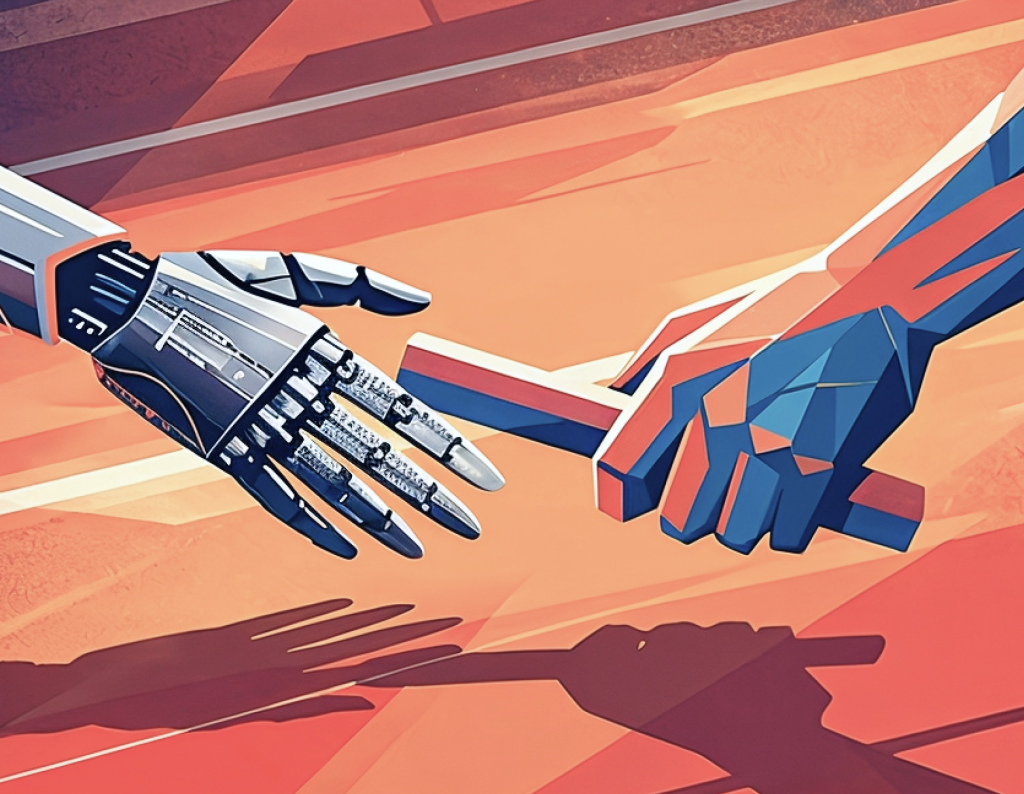
Why does a sprinter need knees — an extra joint, an extra point of failure? Give them spring-loaded structures like an ostrich’s legs, forged from aerospace alloys. A javelin thrower’s arms? Make them catapults with locking mechanisms instead of fingers. Instead of conventional prosthetics, we’ll see tools integrated directly into bone — osseointegration. The era of prosthetics as replacement of what was lost will give way to the era of hardware tuning. The ethics of disability will be turned inside out. There may even emerge a class of athletes willing to undergo voluntary amputation — swapping weak biological systems for durable robotic ones. Monstrous to the layperson. Perfectly logical to an engineer.
If EG succeeds, you can expect an avalanche-like democratization of wetware — software for the body. EG athletes’ training protocols will leak online, especially after a winner emerges; they’ll be reverse-engineered and adapted for underground labs.
Biology will definitively become a programmable environment, and wetware will become accessible not just to billionaires — like Brian Johnson today — but to the street. And the street, rest assured, will find its own uses for things. From there, the legalization of backstreet doctors follows naturally — effectively a return to medieval barber-surgeons, or, if you prefer, the RipperDoc from the Cyberpunk 2077 universe. Gray-market, initially semi-legal clinics will emerge — offshore at first. For garage biologists and the DIY-bio crowd, this is a way to turn a hobby into a profitable but dangerous business: the starting gun for an arms race, from amateur biopunk — ice baths à la Durov, vitamins, supplements — to engineering biopunk: DNA modification and beyond. The terrible is beautiful.