
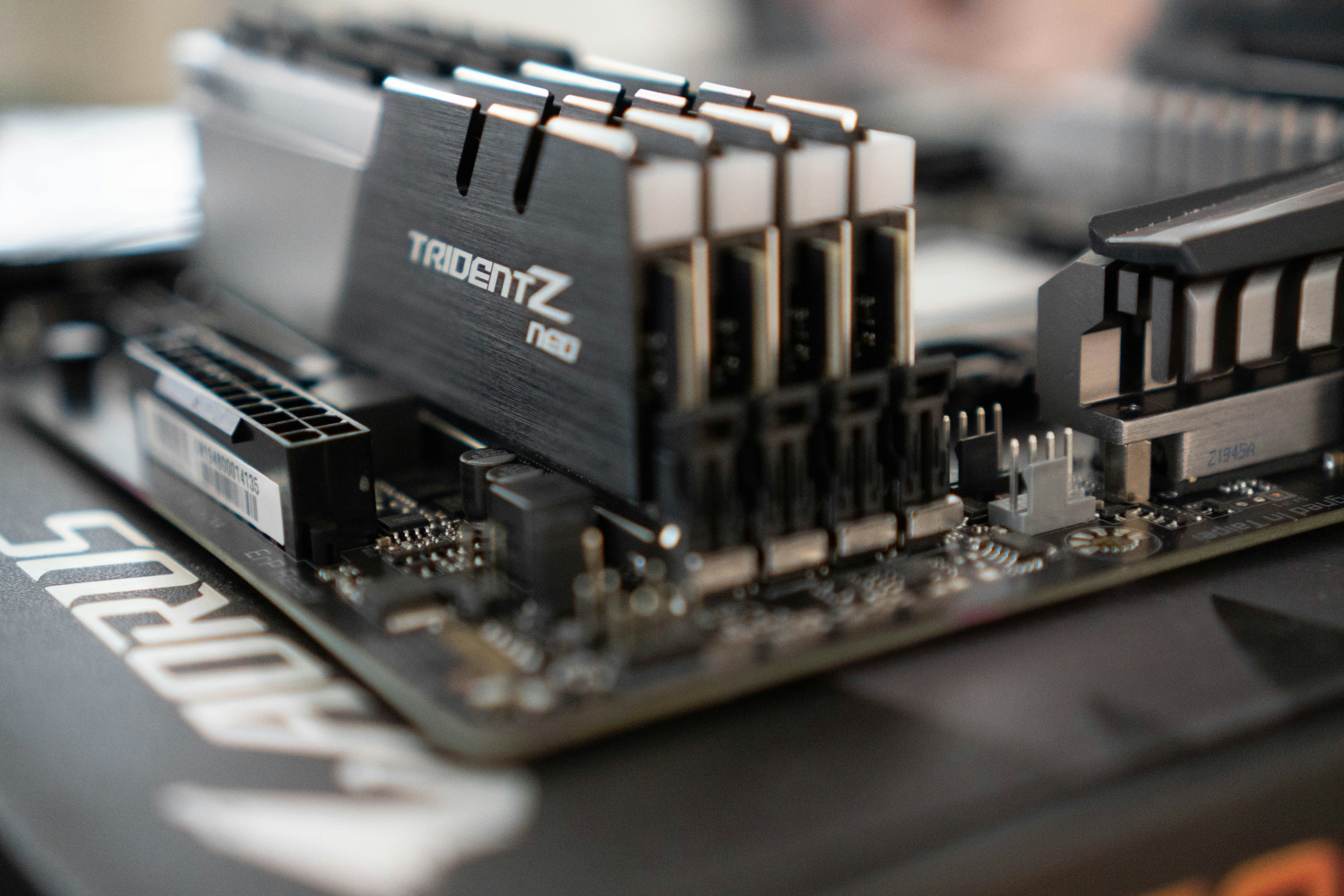
According to analysts, some standard DDR4 and DDR5 kits have reached a price plateau, meaning their prices are no longer rising as steeply as they did over the past several months. An analysis of data from PCPartPicker shows that prices for popular configurations—such as DDR4-3200 (2×8 GB), DDR4-3600 (2×16 GB), DDR4-3600 (2×32 GB), DDR5-4800 (2×16 GB), and DDR5-5200 (2×16 GB)—have largely stopped climbing and are holding steady. For faster DDR5-5600 and DDR5-6000 modules, prices are still increasing, but at a noticeably slower pace than before.
Memory market experts stress that this “flattening” of prices does not mean an imminent drop, but rather the establishment of a new, higher price level following an extended period of sharp increases. Strong demand from data centers and AI infrastructure has pushed DRAM manufacturers to shift production capacity away from consumer modules toward higher-margin segments, contributing to tighter supply in the PC market.
Somewhat reassuring is the fact that further steep price surges now seem unlikely. Although the market has tightened significantly, current levels appear to be close to the upper limit of what consumers are willing to pay.
For users and PC builders, this means that while another wave of dramatic price hikes for mainstream RAM kits is not expected in the near term, any purchase still comes at a cost far higher than a year or two ago. Analysts suggest that prices may remain at similar levels for the coming months, until increased production capacity and improvements in supply chains begin to exert downward pressure.
It is also worth noting that so far these RAM price increases have not yet had a major impact on the prices of laptops and smartphones, but consumers are likely to feel the effects sooner or later—probably in the coming months, once manufacturers run through DRAM inventories purchased at lower prices than those prevailing today.