


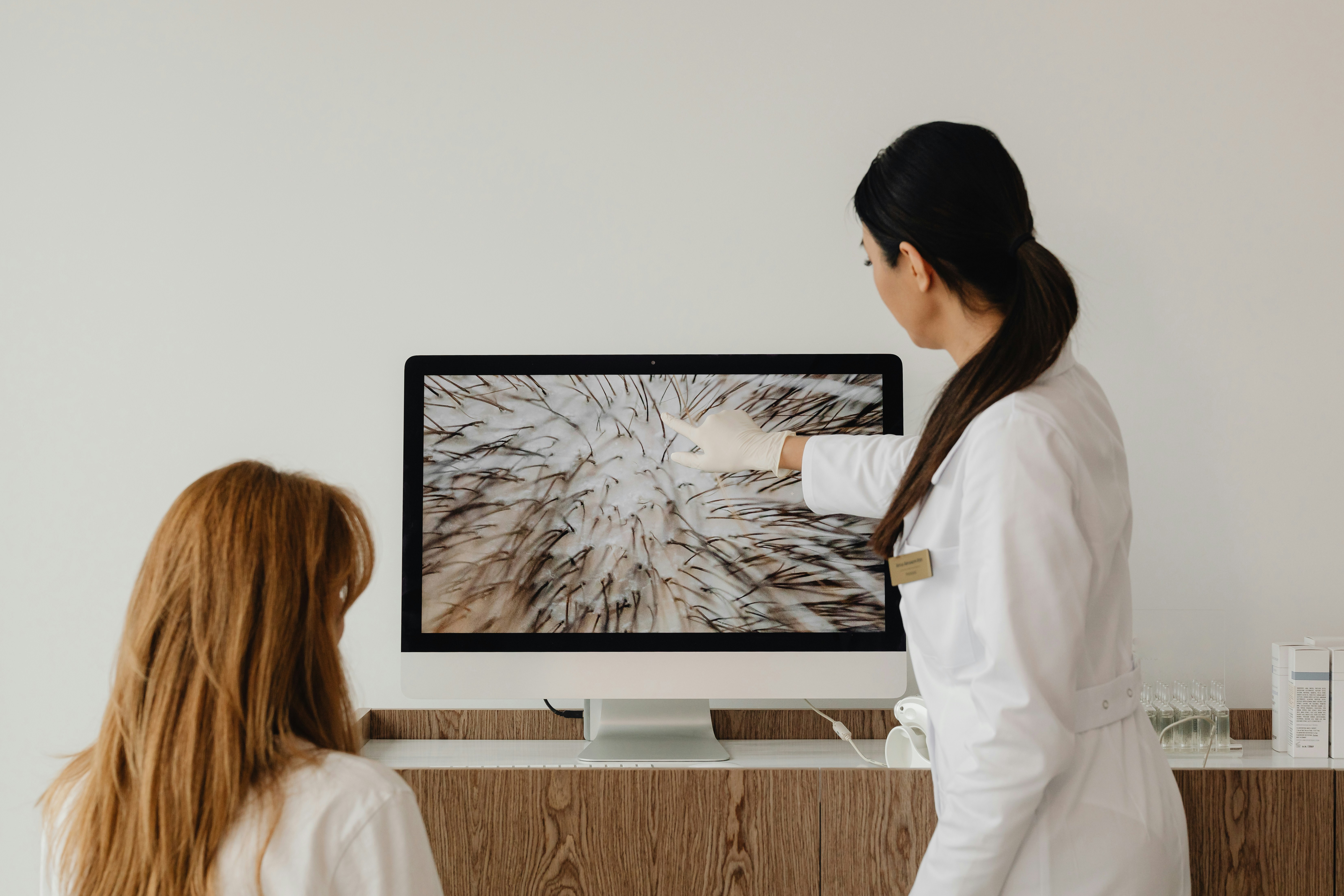
For years, scientists have been able to create structures resembling hair follicles in laboratory conditions, but they did not behave like real ones. In particular, they were unable to properly attach to surrounding tissues or go through the full hair growth cycle. Only after transplantation into the skin of a living organism did they begin to function normally.
The breakthrough came after researchers identified a previously missing type of supporting cell that is essential for proper follicle development. The team created a three-component cellular system consisting of epithelial stem cells responsible for forming the hair, dermal papilla cells that send growth signals, and a newly identified population of support cells involved in regeneration. This combination enabled the formation of structures capable of natural hair growth and proper anchoring within tissue.
In laboratory experiments, bioengineered “hair follicle germs” began producing visible hair in roughly two weeks. Importantly, these structures were able to undergo the natural phases of the hair cycle – growth, regression, and resting – a key feature of real hair follicles in mammalian organisms.
Researchers caution that the experiments were conducted in mouse models, and testing with human cells has only just begun. This means practical clinical applications, such as treatments for hair loss, remain some distance away. Nevertheless, the findings demonstrate that it is possible to recreate the full biology of hair follicles outside the body, representing an important step toward regenerative therapies and hair growth research.