


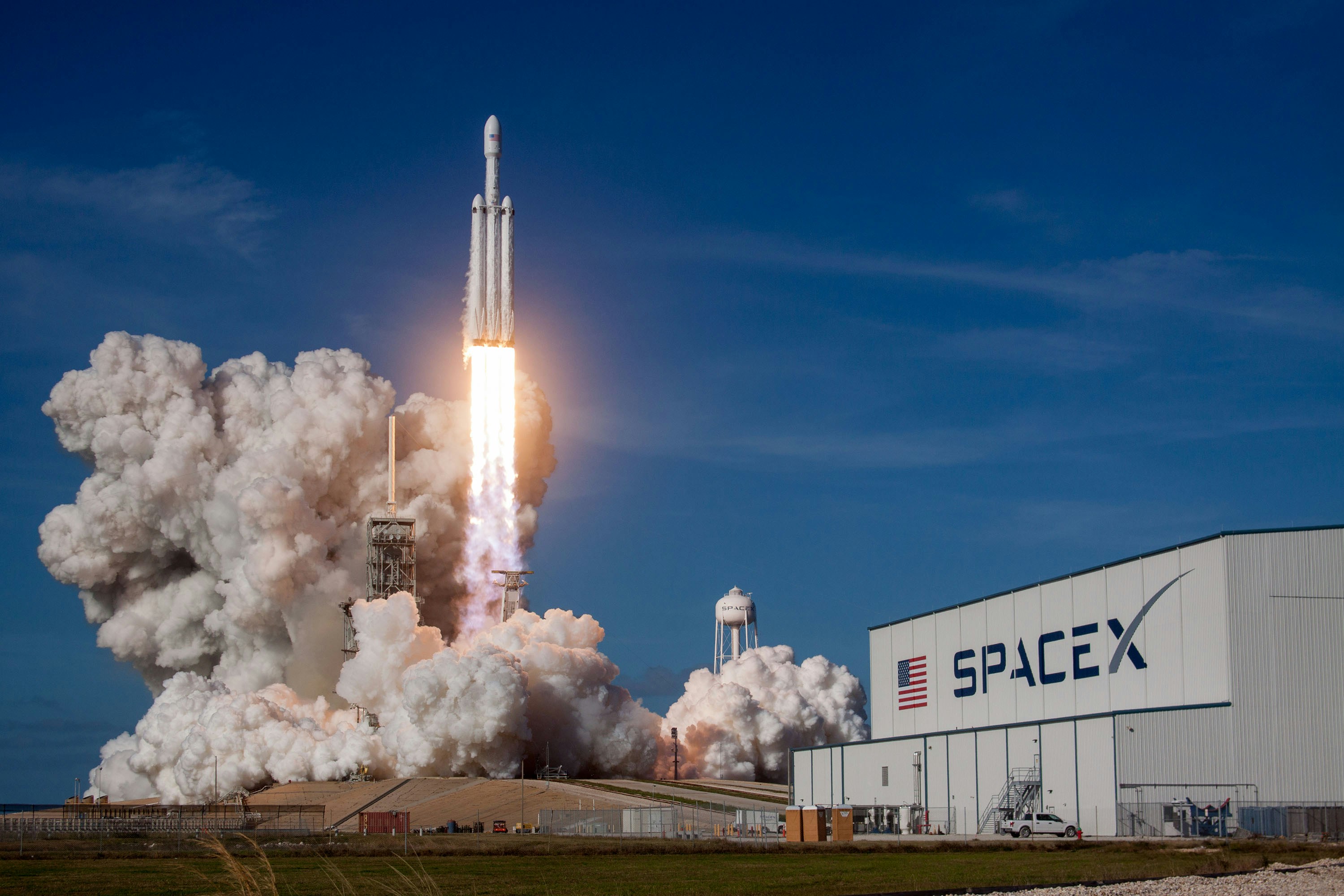
In a post published on X, Musk said the company has shifted its main focus to building a “self-growing city” on the Moon. As he wrote: “SpaceX has already shifted focus to building a self-growing city on the Moon, as we can potentially achieve that in less than 10 years, whereas Mars would take 20+ years.” According to Musk, the lunar scenario could be achieved in under a decade, while building comparable infrastructure on Mars would require at least twenty years.
Musk pointed out that the Moon’s key advantage lies in launch windows and travel time. In his post, he stressed that missions to Mars are possible only about every 26 months and that the journey itself takes roughly six months. For the Moon, launches can take place every few weeks and the trip lasts about two days. As he wrote: “This means we can iterate much faster to complete a Moon city than a Mars city.” According to the SpaceX CEO, it is precisely the pace of successive missions and the ability to test technologies quickly that give the lunar programme priority.
At the same time, Musk emphasised that Mars has not disappeared from the company’s plans. He stated directly that SpaceX still intends to begin building a city on Mars, but on a longer timeline. In the post he wrote: “SpaceX will also strive to build a Mars city and begin doing so in about 5 to 7 years, but the overriding priority is securing the future of civilization and the Moon is faster.” This suggests that the first concrete preparatory activities related to Mars could begin in the second half of the current decade.
According to information published by ZeroHedge, the change in the order of goals is strategic and reflects an assessment of technological, logistical and financial risks. The Moon is expected to serve as a testing ground for life-support technologies, in-situ resource production and autonomous infrastructure before the company attempts the far more complex and demanding Mars programme.