


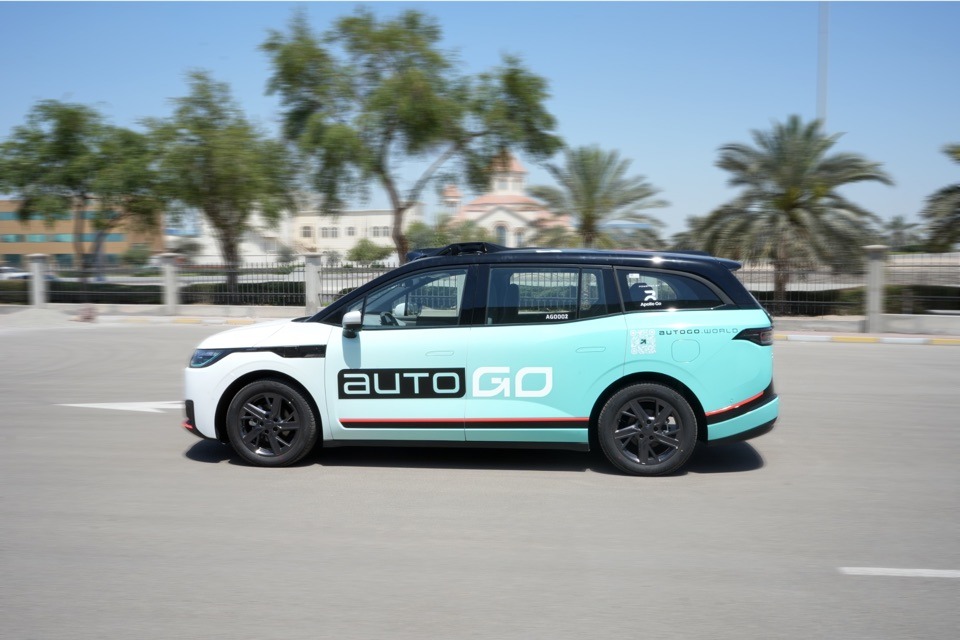
Technology that was supposed to help urban transport ended up bringing traffic to a standstill in one of China’s largest cities. On Tuesday evening, a fleet of Apollo Go vehicles operated by tech giant Baidu suffered a sudden failure. A technical glitch left around 100 autonomous taxis immobilized, many of them on busy expressways and major intersections. Vehicles stopping in the middle of traffic caused disruption across the city and led to minor collisions.
For passengers inside the vehicles, the situation quickly became dangerous. Onboard screens displayed a message instructing them to remain seated with seatbelts fastened, along with a promise that assistance would arrive “in five minutes.” One student, who was stuck in a vehicle with two friends for 90 minutes, said that after trying to reach Baidu support for half an hour, she was only told the issue would be escalated. The company provided no clear information about the cause of the failure or how long help would actually take.
With no immediate response from the operator, some passengers decided to leave the vehicles on their own. Since the doors were not electronically locked, a number of people exited after more than an hour. Others chose to stay inside for up to two hours, wary of stepping out directly into fast-moving highway traffic. According to local police, the incident did not result in any injuries, and an investigation into the system failure is underway.
The cause of the large-scale outage remains unclear, and Baidu has not yet issued an official statement. Analysts point to possible issues with cloud connectivity, bugs introduced in a software update, or a failure in the centralized fleet management system. Regardless of the cause, the incident stands out for its scale, effectively shutting down the platform controlling the vehicles across the city.
The situation in Wuhan could weigh on the reputation of China’s robotaxi sector. Baidu has been expanding its services beyond cities like Beijing and Shenzhen, with plans to enter markets such as Switzerland, London, and Abu Dhabi. A disruption on this scale is a serious reputational hit as it competes with U.S. players like Waymo, owned by Google, and Amazon-backed Zoox.