


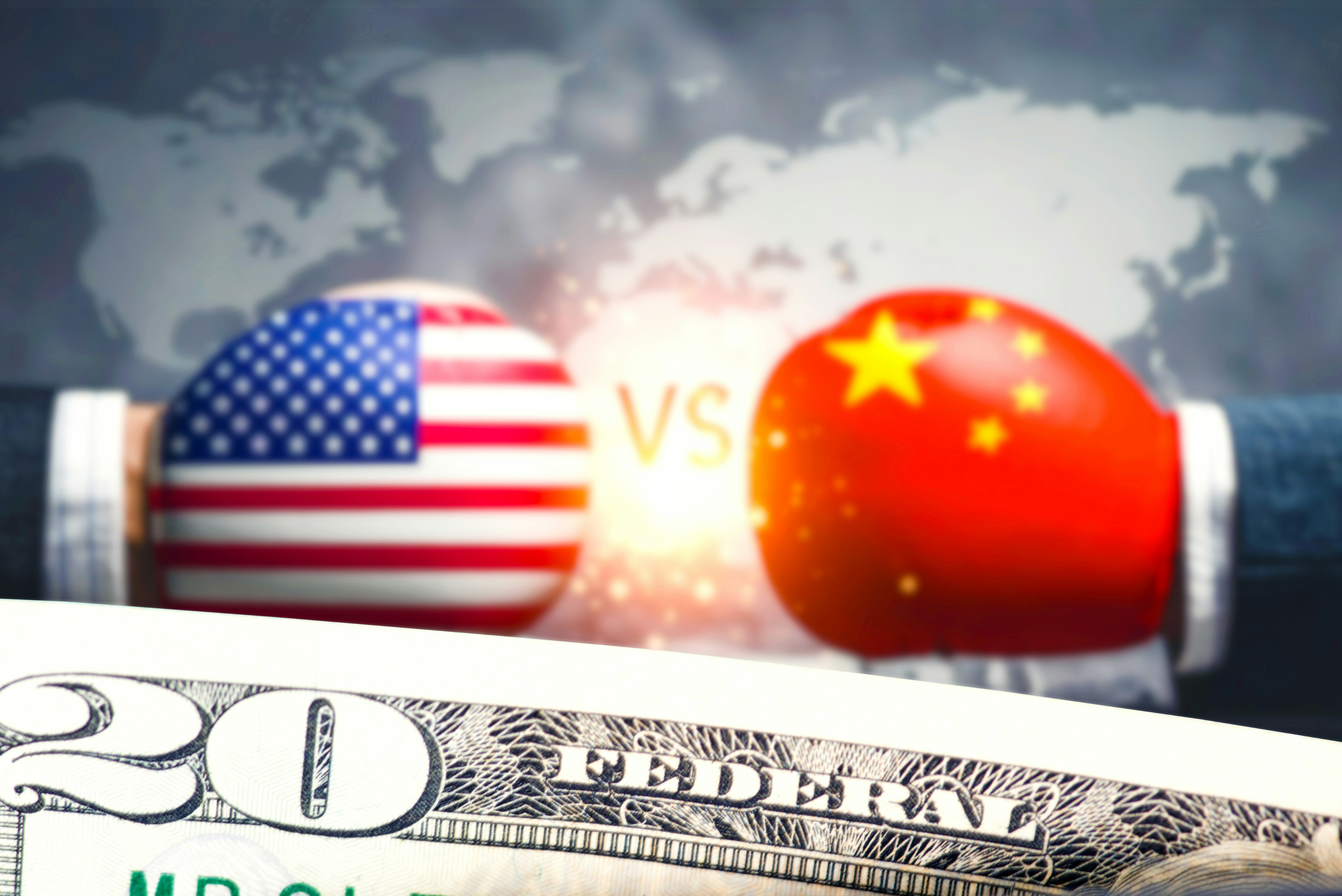
According to a Fact Sheet published on the official White House website, the 25% tariff is intended to reduce U.S. dependence on foreign semiconductor suppliers and to support the domestic technology industry, which the administration argues does not yet produce a sufficient number of strategically critical chips for the economy and national security. The new tariff does not apply to chips imported solely for use within the United States — for example in data centers, research, or consumer products — which the White House emphasizes as part of a balanced strategy to protect the domestic market.
The move formalizes earlier arrangements between the administration and companies such as Nvidia, which had received licenses to export H200 processors to China, while at the same time imposing significant additional costs on such transactions. The tariffs are to be levied primarily when chips are manufactured outside the United States and pass through the U.S. customs system before being shipped to China, effectively creating a “paid trade gateway” rather than direct export.
Industry reactions have been mixed. In an official statement, Nvidia described the decision as beneficial for U.S. industry, stressing that it preserves access to the Chinese market and supports American jobs, even though sales will now be subject to additional tariff costs. For China’s semiconductor market, however, the move means higher prices for cutting-edge AI chips, which could translate into delays or constraints on investments by technology companies focused on generative AI models.
The new tariffs are likely to play an important role in the race for technological leadership in artificial intelligence and semiconductors, where both superpowers — the United States and China — are trying to balance national security, competitive advantage, and control over their supply chains.
Analysts note that such measures may complicate global logistics and semiconductor supply networks, although their long-term impact on China’s domestic chip development remains a subject of debate. At the same time, these steps by Washington are widely expected to further incentivize Beijing to accelerate the development of homegrown alternatives to U.S. AI technologies.