


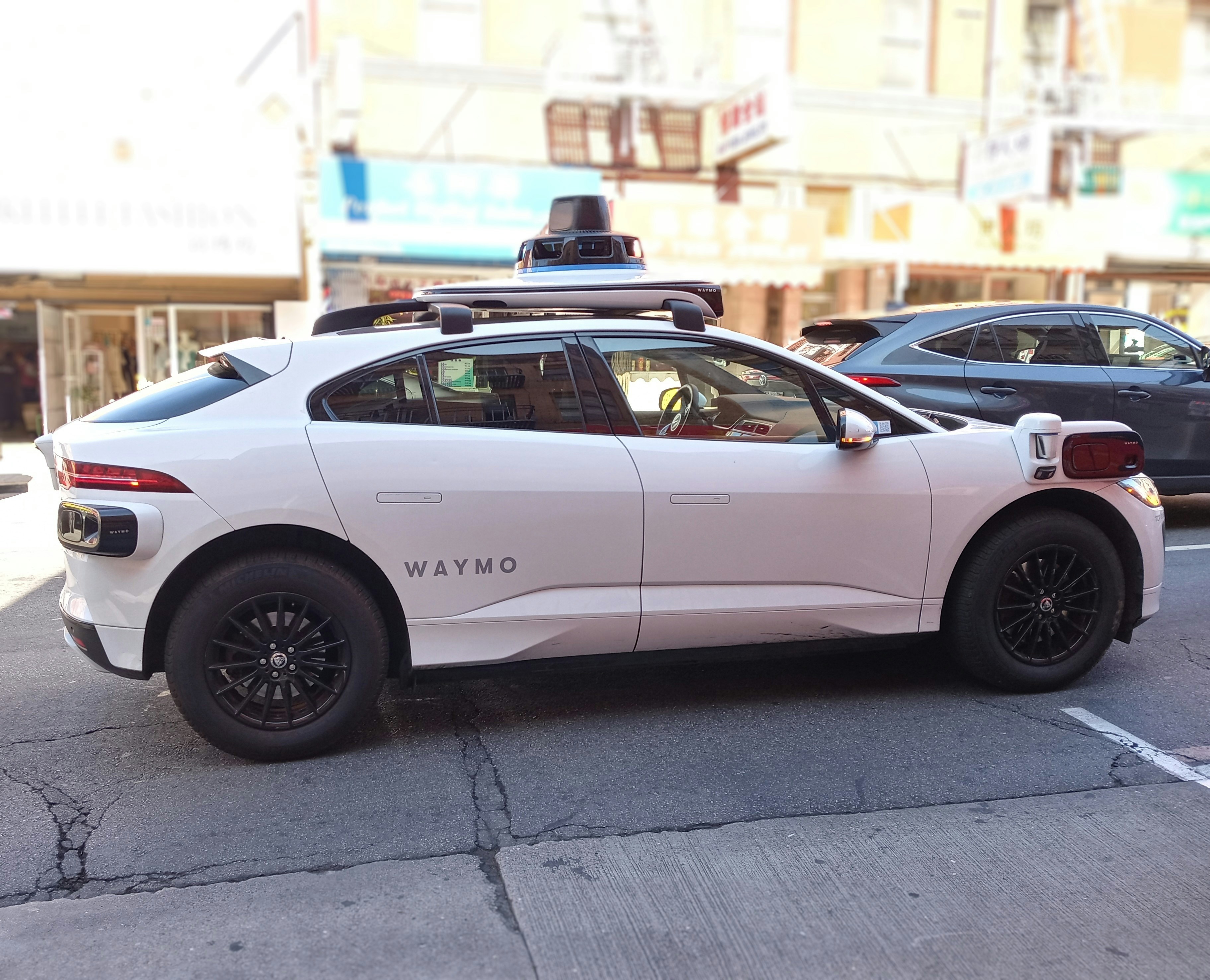
Although autonomous vehicles are generally very safe and do not cause many accidents, they still require close oversight. Waymo has now confirmed it will recall its robotaxis for a software update intended to fix a critical issue that allowed the vehicles to improperly pass school buses.
According to the company, the problem stemmed from a software error controlling the robotaxis’ behavior. Waymo believes the update will eliminate the reported issues and restore what it describes as “highly safe” vehicle performance. The company emphasized that none of the incidents resulted in injuries, but nonetheless considered it necessary to issue a formal recall and deploy a fix.
The issue is significant enough that the National Highway Traffic Safety Administration (NHTSA) opened an investigation in October 2025. The agency requested documentation of all similar cases and asked Waymo to detail how it plans to prevent them from recurring. The deadline for providing answers has been set for January 20, 2026.
According to a letter from the Austin Independent School District, schools reported at least 19 incidents in which Waymo robotaxis passed stopped school buses — in one case, a vehicle drove past just moments after a child had crossed the road.
Waymo stresses, however, that autonomous driving technology has dramatically reduced crash rates compared with human-driven traffic. According to the company, in cities where Waymo operates, serious incidents are down by 91% and pedestrian-related incidents by 92% compared with human-driven taxis. Still, the company says it is taking the current issues extremely seriously and will continue to monitor vehicle behavior and apply necessary improvements.
While self-driving technology is advancing rapidly, large-scale deployments have so far occurred mainly in countries where infrastructure, regulation, and safety testing allow commercial use. The U.S. and China are currently the only markets with robotaxis operating at meaningful scale.
The United States is the global leader: Waymo operates in Phoenix, San Francisco, Austin, and is testing services in Los Angeles and Miami. Cruise, Zoox, and others are also running expansive pilots.
China is the world’s largest testbed, with companies like Baidu Apollo and Pony.ai offering driverless rides in Beijing, Wuhan, and Shenzhen.
In Europe, the regulatory environment for driverless taxis is far more cautious and requires many more conditions than in the U.S. or China. EU-wide regulations are still in development, although several cities have already conducted advanced pilot programs.