


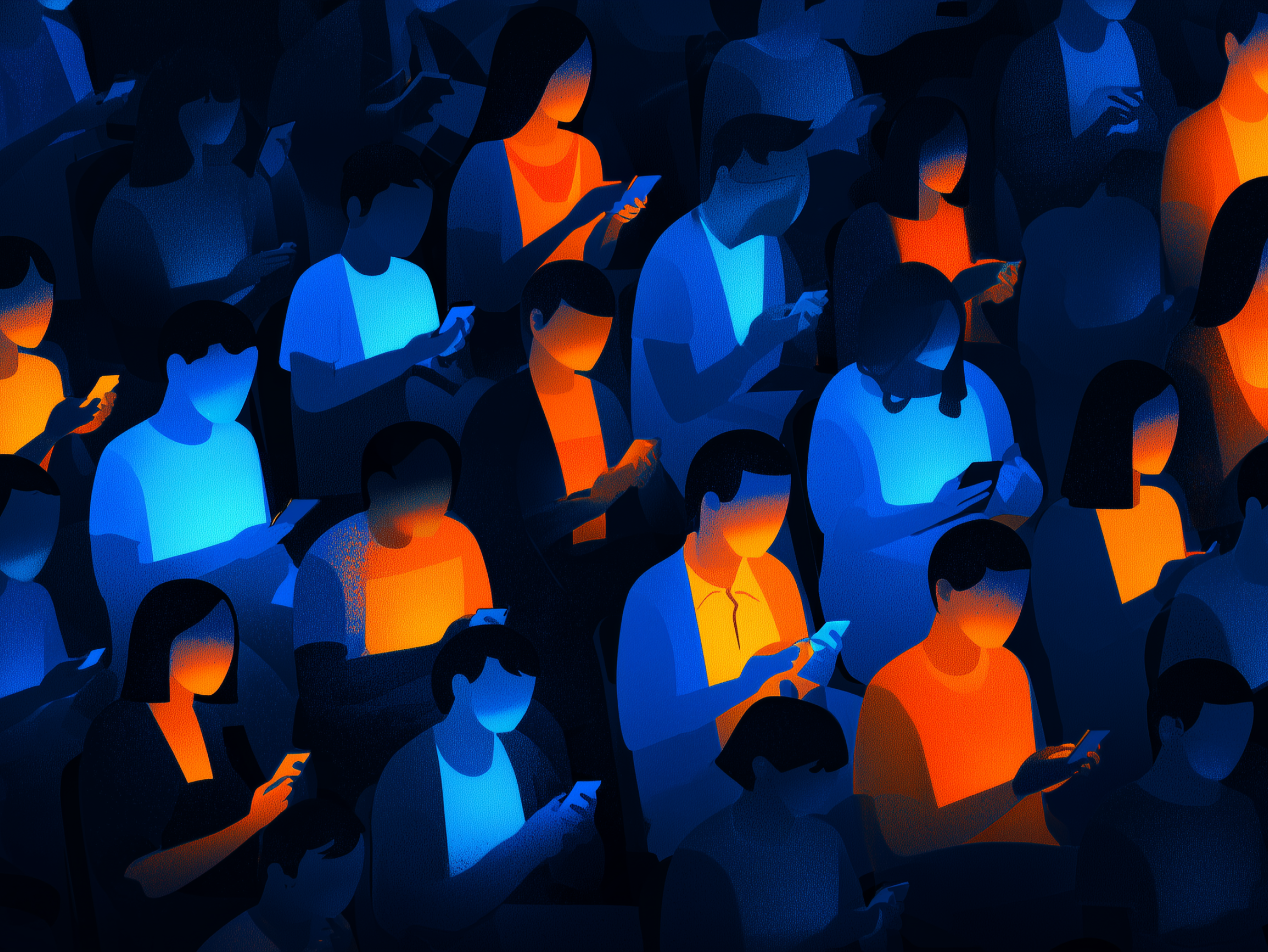
YouTube has always presented itself as a vast library of human experience: tutorials, vlogs, explainers, music, children’s stories, news. But in 2025–2026, this library rapidly developed an extension that resembles a vending machine for text and images: press a button — get a video. This wave is increasingly being called AI slop, or “neuroslop”: content that looks like a video “about something,” but is in fact assembled from templates, repetitions, and crude but effective attention-holding tricks. It isn’t necessarily malicious. It’s simply abundant, cheap, and surprisingly sticky.
For the first time, the problem can be quantified. In a Kapwing report, published last year, researchers created a new YouTube account and scrolled through the first 500 Shorts, tracking the share of “trash” content. The result: 104 videos out of 500 (21%) turned out to be AI-generated; 165 out of 500 — about a third — fell into the broader category of brainrot. The authors stress that this was an attempt to model the experience of a “clean” new user, with no viewing history.
“Brain junk” is the new chart-topper
The Guardian’s reporting showed, that of the 100 fastest-growing channels highlighted in the Playboard rankings in July last year, nine consisted of videos created with the help of artificial intelligence. This is an entire industry. According to the same Kapwing report, even among trending channels in different countries you can already see “factories” with million-strong audiences, and estimated potential earnings for leading channels run into millions of dollars a year. There are hundreds of such channels, and their annual revenues may reach the level of hundreds of millions of dollars.
How does this business work? The economics of neuroslop are simple: for the creators of these channels, the job is, above all, endless A/B testing. It’s no secret how important it is to capture a viewer’s attention in the first seconds of a video, to trigger an unconscious reaction to keep watching — and this is precisely where artificial intelligence, having processed millions of videos, can perform better than anyone else.
What’s more, the entry ticket to this kind of “video production” gets cheaper by the day: one model writes the script, another voices it, a third generates the visuals, editing is assembled in a semi-automated pipeline, and then the important work begins — rapidly stamping out variations and watching what “sticks” in recommendations.
Which niches does neuroslop take first? Endless “stories” with recurring characters, surreal mini-plots, chopped-up “wisdom in three minutes,” tests and quizzes, pseudo-documentaries with soapy wording, and emotionally coercive content “about poor people” and disasters, where tragedy is presented as mere scenery to keep you watching.
The Kapwing study gives telling examples: Imperio de jesus promises “fun interactive quizzes” in which Jesus chooses the right answer while competing against a lineup of pop-culture villains; Cuentos Facinantes is described as a stream of low-quality videos styled after the popular Dragon Ball franchise. The neuroslop assembly line turns out shows with bizarre plots: a baby crawling into a space rocket before launch, Cristiano Ronaldo as a zombie, and melodramas featuring anthropomorphized cats.
How “easy money” gets made
When it comes to earnings, the numbers are interesting. For example, the South Korean channel Three Minutes Wisdom, which focuses on content about health harms, had reached 2.02 billion views by the middle of last year. By Kapwing’s estimates, the channel’s annual advertising revenue is around $4,036,500.
The Indian channel Bandar Apna Dost, whose characters are AI-generated humanoid animals, racked up 2.07 billion views in 2025; its projected annual revenue was therefore $4,251,500.
Clearly, channels like this are becoming more common, and YouTube faces a difficult dilemma: on the one hand, they bring the platform steady and growing profits. YouTube CEO Neal Mohan says: “Just as the synthesizer, Photoshop and CGI revolutionized sound and visuals, AI will be a boon to the creatives who are ready to lean in.”
On the other hand, starting in the spring 2024, the company began updating its user policy to stop the wave of low-quality content created with AI. YouTube has good reason to worry, that advertisers will be unhappy if their brands become associated with neuroslop.
Among other measures, monetization was disabled for channels publishing repetitive and “inauthentic” content — first and foremost, those very million-subscriber “neuroslop” channels. Responding to a Guardian inquiry last year, the company noted that three of the ten biggest neuroslop channels had already been removed, and two more had been blocked from ad revenue.
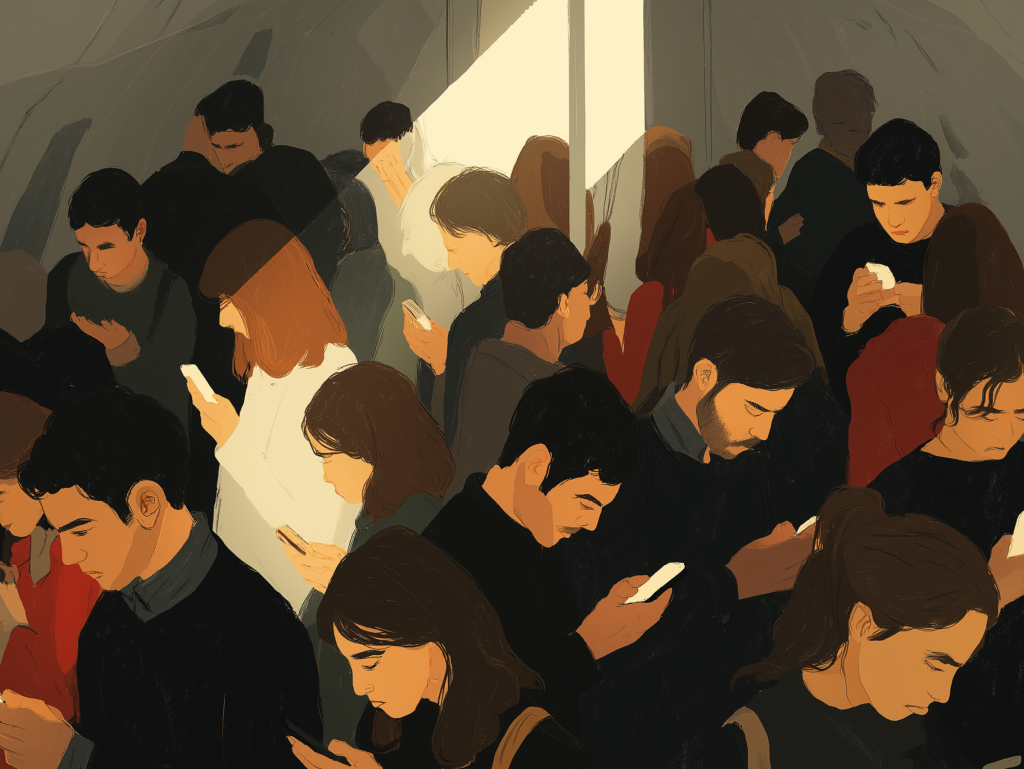
But we understand that five removed or restricted channels will be replaced by fifty. Policies will have to tighten again and again — otherwise, the moment you enter the platform, you’ll find yourself sinking ever deeper into a meaningless AI broth.
Are children becoming the victims?
A particular and most alarming area of concerns — children. “Kid-ness” here isn’t always labeled as YouTube Kids; more often, you recognize it by the primitive plot, bright colors, hyper-emotional reactions, repeating “twists,” children’s laughter, animal protagonists, and the promise of an endless series.
The Guardian cites the channel Pouty Frenchie as an example: the adventures of a French bulldog in a “candy forest,” with visual tricks and audio hooks that look exactly like content for the very young. This is an important point: neuroslop is increasingly optimized for an audience whose quality filters and critical thinking have not yet formed.
In January 2026, the American Academy of Pediatrics, in an updated document titled “Digital Ecosystems, Children, and Adolescents: Policy Statement,” emphasizes that what matters is not only the minutes of screen time, but also the design of the environment, the quality of the content, infinite scrolling, “dark patterns” of engagement, and built-in commercialization. In our view, within this framework AI slop looks like a potentially dangerous product — one that pursues extremely primitive goals and achieves them by ambiguous means.
How does neuroslop affect a person, and above all, children, who are very often the intended audience for this kind of content? We asked psychiatrist Pavel Perapyolkin to comment.

“First, I should note that I’m expressing a personal opinion; other specialists may see it very differently,” says Pavel. “The phenomenon of neuroslop is new, and as of today there is not enough research (fully meeting modern requirements for study design) to speak confidently about its consequences, including long-term ones (this would also require longitudinal studies, and there simply hasn’t been enough time for them yet).”
Pavel believes the likelihood that this phenomenon will have any critical impact on the epidemiology of mental disorders and/or developmental disorders in children, or lead to the emergence of any new forms of mental impairment, is extremely low. This is because neurobiological developmental disorders are genetically determined in nature, and environmental factors tend to affect the specifics of how they manifest, their course, and the possibilities for adaptation. In our interlocutor’s view, it can be suggested that it is precisely in this area that the phenomenon of neuroslop may have some influence:
“When we talk about children and the possibility of influencing their psyche, it’s very important to consider the nature of the content and the child’s age. A child’s mental development is highly dynamic and unfolds unevenly, yet it follows a patterned course. Different functions and skills form at different ages, and different factors have different degrees and kinds of influence on these processes; likewise, their impact can vary at different ages and on functions that have already formed”.
At the same time, Pavel says that when he speaks about neuroslop, he means precisely content that is generated programmatically, focusing specifically on the form of presentation, regardless of the substantive side. For instance, it may imitate human speech, but while being impeccably grammatically correct, it may carry no semantic load at all.
“Our brain has a property of forming a readiness for a certain kind of action, as well as a readiness to perceive something, depending on the signals coming into it from the sense organs,” Pavel explains. “This is called a set; there can be a huge number of them, they exist at different levels, some are innate, many are formed through experience. Sets can vary in structure and complexity; among the simplest are unconditioned reflexes, when, for example, the sight and smell of food activates the production of digestive enzymes, as if starting to prepare the body for processing and assimilating food.
More complex ones include, for example, the well-known thesis about the gun hanging on the wall in the first act of a play, which must go off in the last. Here social experience already plays an essential role. Another fairly well-known phenomenon can serve as an example. Surely many people online have seen the ‘trick’ with a phrase, or several, that we can read easily and quickly, getting a perfectly meaningful expression. But if you look closely at the phrase, it turns out that most of the letters have been replaced, rearranged, or omitted, and if you read it letter by letter, it becomes gibberish. This, too, is about our brain’s readiness to perceive an image as whole and meaningful, orienting itself by individual elements.
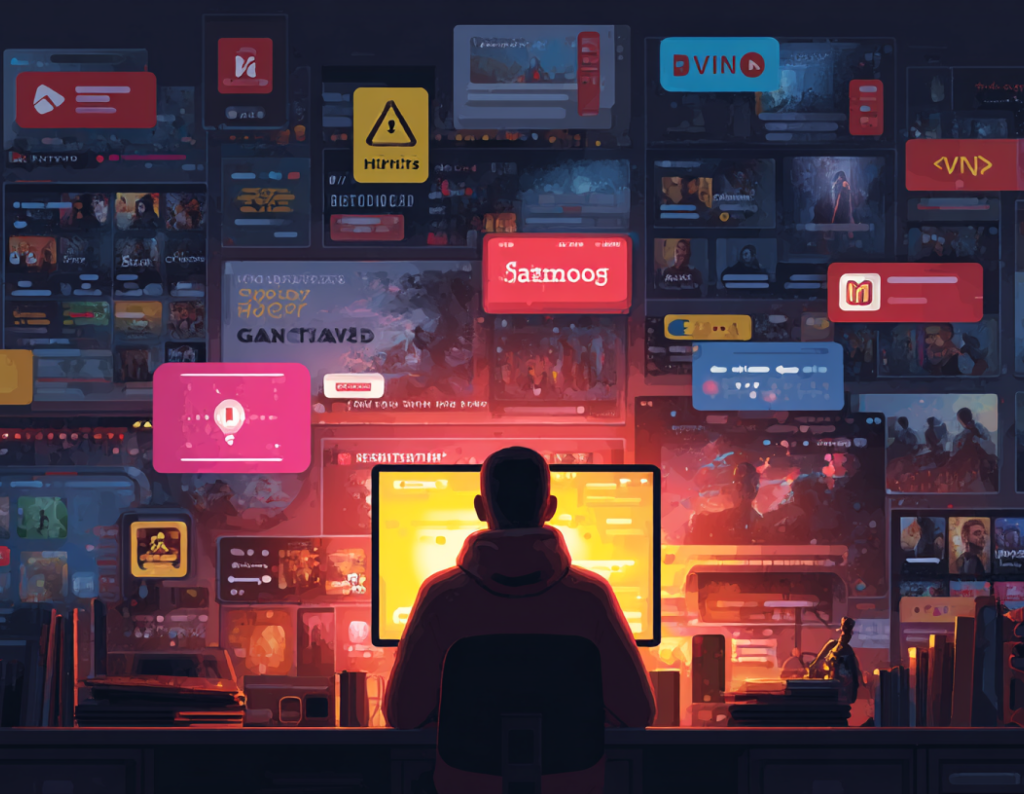
It is predominantly these mechanisms that the software generating the content we are talking about uses. That is, a kind of ‘decoy’ is created for our brain, making us expect something more, and it becomes hard to tear ourselves away from the screen. But there may be no content behind the form, and we keep feeding our brain these ‘pacifiers,’ sustaining unproductive mental activity.
In this context, especially when we are talking about children, the question arises: might such ‘pacifiers’ form inadequate expectations and distort one’s understanding of reality? They certainly can. But it is very important to remember that sets formed in this way very easily ‘fall apart’ (or may not form at all) under the influence of direct experience and activity. In other words, no matter how many videos you watch, for example, about the behavior of objects in zero gravity, you won’t develop an expectation that an iron released from your hand will hang in the air or fly upward. And if you accidentally drop it, you will still, most likely, jump back so you don’t get hit on the foot.
But children have far less direct experience than adults do. And this is especially important in the context of safety-related notions. That is why adult involvement matters so much here. You can’t (and don’t need to) completely shield a child from all possible content, including artificially generated content. But it is necessary to know and analyze the nature of what the child is watching, and to pay attention to its substantive content.
Pavel separately points to children with one or another kind of neurodivergence, in particular in cognitive functions and social interaction: they may have difficulties forming direct experience and contrasting it with content that is empty or does not correspond to reality. Therefore, it can be assumed that neurodiverse children may, to a greater extent, be exposed to the risks associated with neuroslop.
In conclusion, our interlocutor emphasized:
“The quantitative aspect matters, too. The development of our psychological functions occurs in direct activity and requires interaction both with the material environment and with the social environment. Outside the context of activity, normal psychological development — the formation of stable skills and functions — is practically impossible. So constant consumption of such ‘decoys’ and ‘pacifiers’ quite simply ‘steals’ from a child the time needed to interact with the environment, while offering no meaningful alternative. All the more so if such a ‘pacifier’ has substantial appeal for the child.
In fact, the ability to build content in a way that complements how our brain works can also provide a number of opportunities to improve learning, help with adaptation, and support development. It’s important to remember that this is only a tool, and it depends on us how we use it.”