


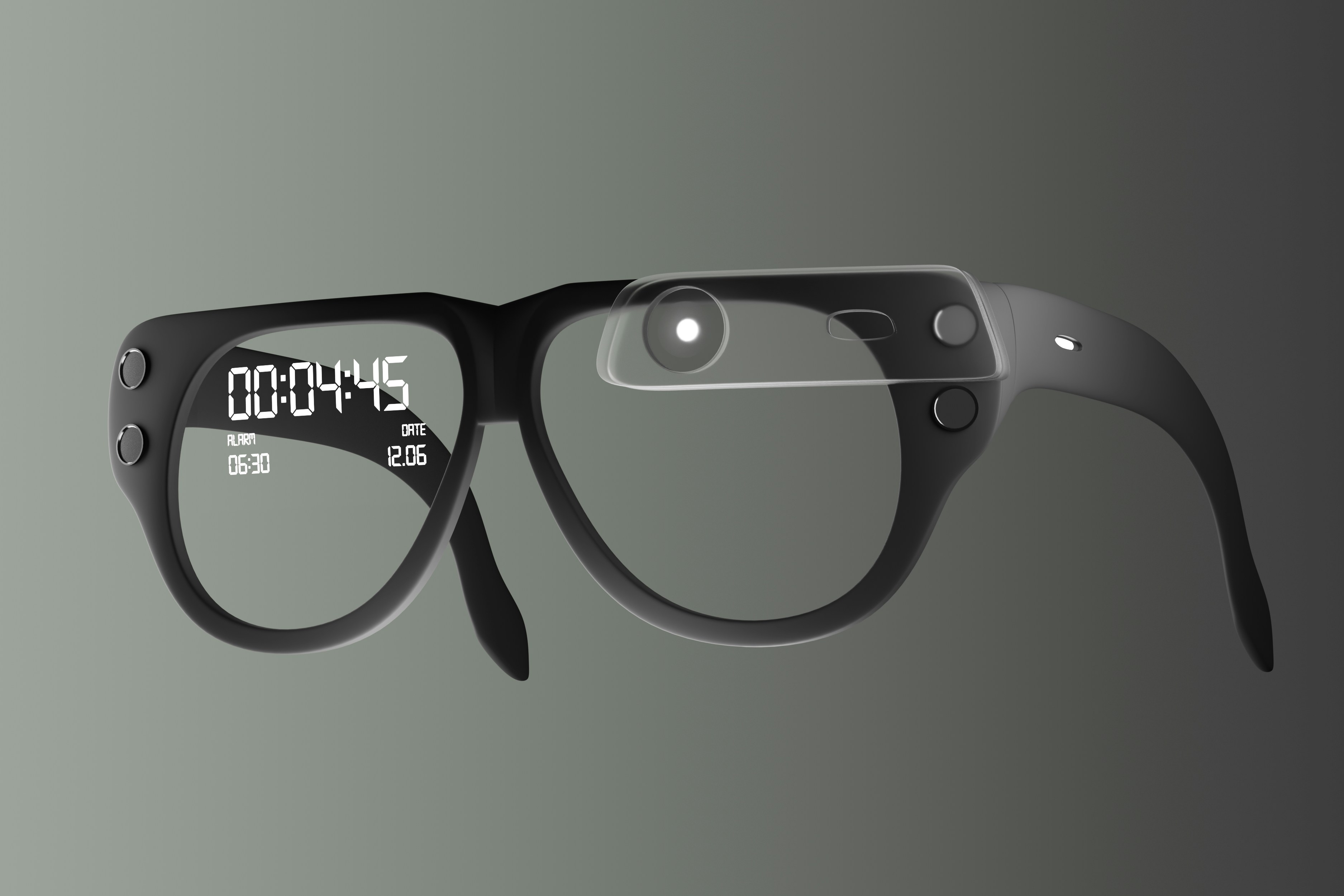
The smart glasses market is growing rapidly, and just like with smartphones or smartwatches, competitors are constantly trying to claim their share of the “pie” by releasing increasingly advanced devices. Alibaba has now joined this race, launching its Alibaba Quark AI Glasses across China.
The new glasses were developed by Alibaba’s Quark division, previously known mainly for its mobile search engine and educational apps. The Quark AI Glasses serve as a personal assistant, offering real-time translation, object recognition and voice-command processing. The device is powered by a system built on the Qwen large language model developed at Alibaba’s research labs, enabling smooth generative-AI features.
The glasses are priced at 2,499 yuan (around USD 350) in China, placing them below many competing Western devices. Alibaba expects that the attractive price point — combined with rising demand for productivity and learning tools — will drive mass adoption among students, office workers and business travelers. The company also plans to release more expensive Premium versions in the future with larger batteries and enhanced AR features.
The introduction of Quark AI Glasses is China’s direct response to the growing presence of U.S. companies in the smart-glasses sector and a clear attempt at price disruption. Meta has seen strong sales of its AI-assistant glasses, and increasingly, consumers associate “smart glasses” with the company. China considers the wearable-AI category strategic because it merges artificial intelligence with hardware miniaturization — two priority areas for the country’s tech industry.
Looking ahead, the Quark AI Glasses are meant to be the starting point for a broader line of AI products that Alibaba plans to expand in 2026. The company also intends to export the glasses beyond China, though no dates or target markets have been announced. The Quark team is currently working on improving the Qwen model’s multilingual capabilities to enable global deployment. If Quark AI Glasses reach Europe and the U.S. at a price similar to the one in China, Meta’s strong brand alone may not be enough to keep customers from switching.