


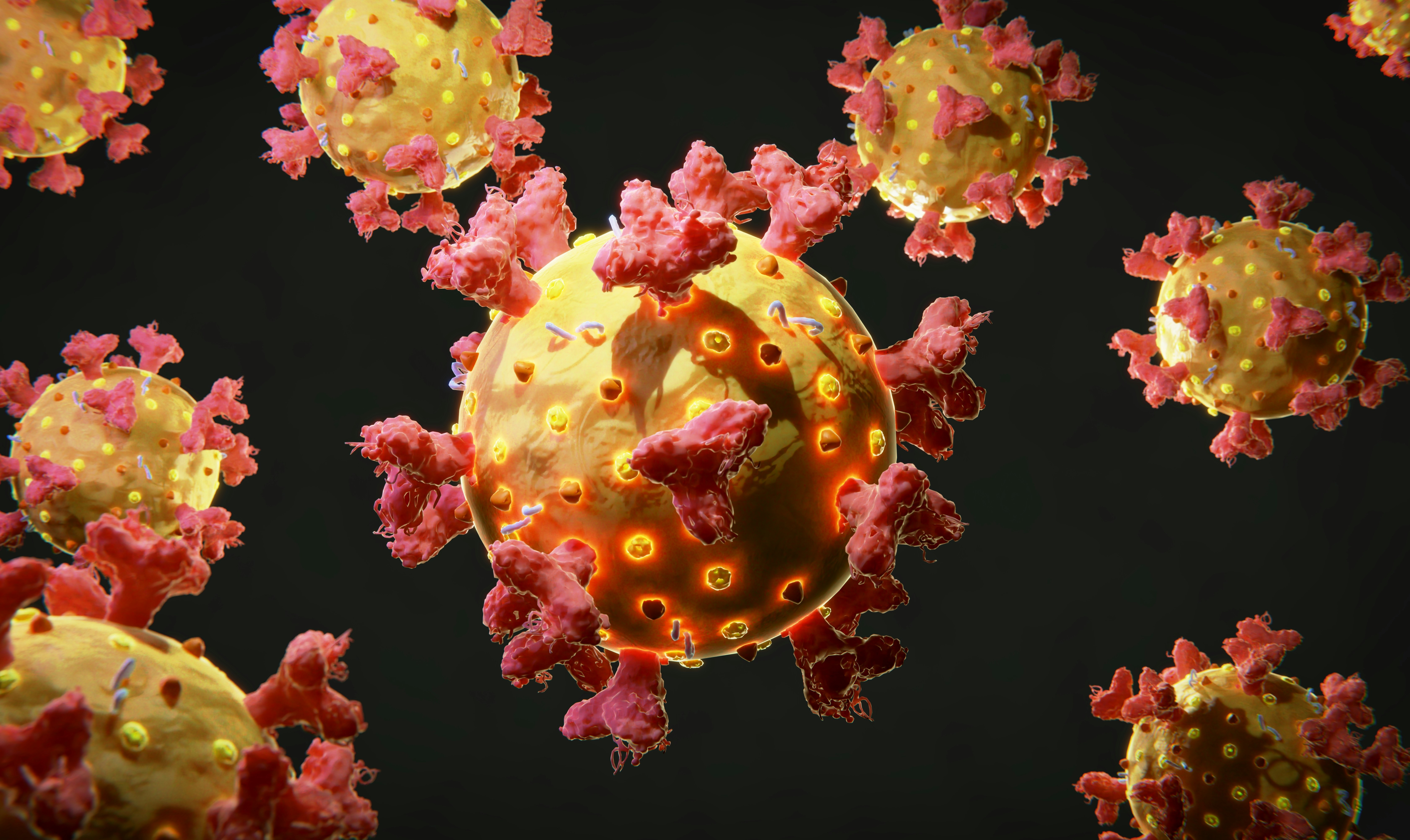
The research team, led by Olha and Oleh Taratula, designed a chemodynamic nanoagent built from an iron-based metal–organic framework (MOF). The material activates two mechanisms that generate reactive oxygen species inside cancer cells. Within the tumor microenvironment, characterized by higher acidity and elevated hydrogen peroxide levels, the nanomaterial catalyzes the formation of both hydroxyl radicals and singlet oxygen – two highly reactive oxygen species that drive cancer cells to death through oxidative stress.
“Existing CDT agents are limited … they efficiently generate either radical hydroxyls or singlet oxygen but not both,” explained Oleh Taratula in the publication, highlighting a key limitation of current chemodynamic approaches, which typically do not combine both mechanisms within a single therapeutic platform.
Unlike traditional CDT nanomaterials, the new nanoagent produces significantly higher levels of reactive oxygen species and demonstrates strong toxicity against multiple cancer cell lines while maintaining minimal activity against healthy cells. In preclinical experiments involving mice implanted with human breast cancer cells, systemic administration of the nanoagent led to complete tumor disappearance and prevented recurrence, with no observable systemic toxicity.
The authors emphasize that the dual mechanism of reactive oxygen species generation represents a substantial advance over existing chemodynamic therapies, which often only partially inhibit tumor growth. The new MOF design enables more efficient exploitation of biochemical conditions typical of tumor environments, such as elevated hydrogen peroxide and lower pH levels, resulting in selective targeting of cancer cells.
In the study published in Advanced Functional Materials, the team provides detailed data on the material’s structure and chemical activity, as well as evidence of efficient tumor accumulation following systemic delivery – a key factor in therapeutic effectiveness.
Although the results in animal models are promising, the researchers note that the next steps will involve testing the approach in other cancer types, including particularly aggressive forms such as pancreatic cancer, to evaluate its broader therapeutic potential.