



Health tech was one of the most visible themes at CES 2026 — from smart diagnostics to wearable neurostimulation and at-home monitoring. These tools promise earlier insights and more personalized care, yet conspicuously resemblant of “Black Mirror” episodes: they listen, track, and interpret our daily lives in ways that conflate health monitoring with constant surveillance.
So what did we see in the healthcare segment of CES 2026? Wearable devices, digital diagnostics and therapeutics, neurotechnologies, and medical robotics. Following the broader trend, many everyday products became “smart.” Experts highlighted growing attention to longevity, targeted therapies, and remote healthcare.
Below are some of the most notable projects presented in this domain.
The startup Vivoo introduced FlowPad, a “smart” menstrual pad priced at $3–$5. The pad analyzes menstrual blood and secretions and measures follicle-stimulating hormone (FSH) levels, pH, amniotic fluid leakage, and markers of sexually transmitted infections. These measurements help in detection of potential health issues, support fertility tracking and hormonal monitoring. FlowPad contains a microfluidic system with reagents, while results are displayed via a mobile application. It became one of the most vivid examples of CES’s growing focus on women’s health.
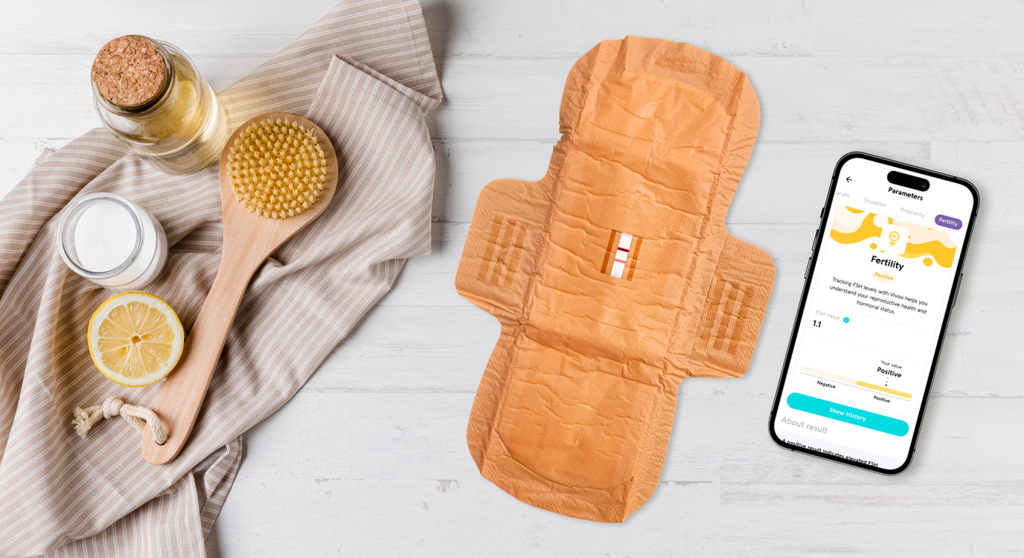
Image from This menstrual pad takes period blood and turns it into data diagnostics. ZDNet.
Spark Biomedical showcased OhmBody, a wearable neurostimulation device designed to alleviate symptoms associated with the menstrual cycle. According to the developers, the device reduces pain, improves overall comfort, mood, sleep, digestion, energy levels, and stress response throughout the cycle — without the need for hormonal medications. The device is worn behind the ear and delivers mild electrical impulses that stimulate the vagus and trigeminal nerves.
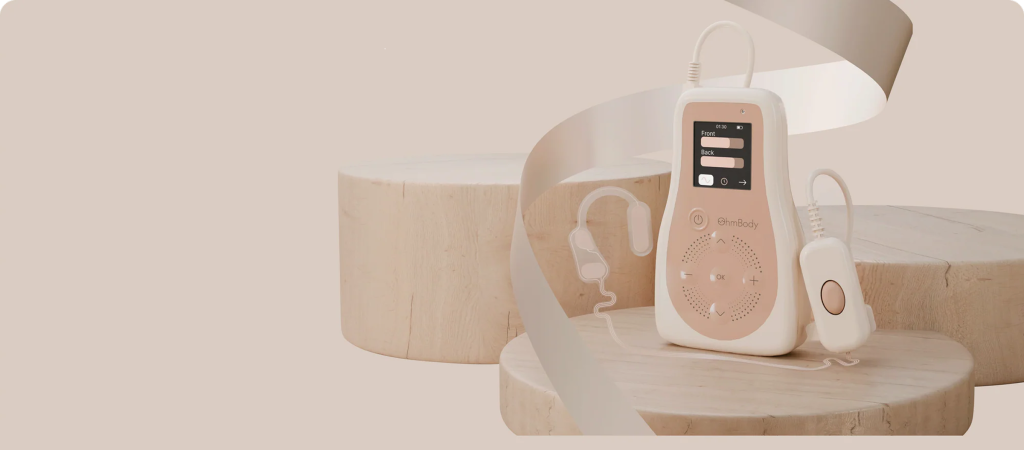
Moreover, results from a pilot study involving 16 women showed that OhmBody use reduced menstrual blood loss by more than 50% and shortened the duration of menstruation by approximately 19%. Participants reported improvements in symptoms (including cramping and fatigue), as well as certain quality-of-life indicators.
Y-Brush announced Y-Brush Halo, a unique ultrasonic toothbrush equipped with an integrated SmartNose sensor. While brushing their teeth (in approximately 10 seconds), users allow the sensor to analyze biomarkers present in exhaled breath. According to the company, the device can detect hundreds of diseases — ranging from diabetes to liver disorders — based on breath composition. This gadget transforms a daily hygiene routine into a medical screening.
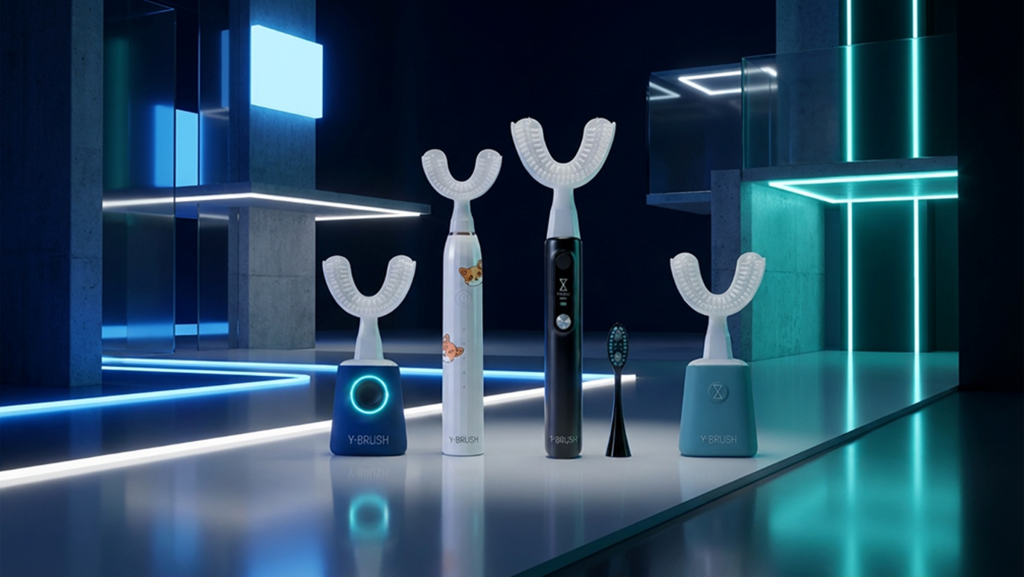
Image from CES Announcement: Y-Brush Halo. Y-Brush.
Withings unveiled the Body Scan 2 smart scale, a device also referred to as a Longevity Station. It is capable of measuring up to 60 health indicators, ranging from “heart age” and arterial stiffness to metabolic function and hypertension risk. At CES 2026, the company demonstrated measuring parameters in action — muscle-to-fat balance, vascular elasticity, and cardiovascular health, plus built-in algorithms, able to provide lifestyle recommendations. Health forecasts are adjusted in real time based on continuously collected data.
The startup Allergen Alert introduced a compact device designed for instant detection of allergens in prepared food. The device grinds a small food sample, analyzes it for lactose, gluten, and other common allergens, and delivers results on the spot. The company says the device has already received FDA approval for restaurant use. This technology offers greater confidence to people with food allergies: instead of relying on waitstaff and worrying about human error, users can independently verify potentially dangerous ingredients.
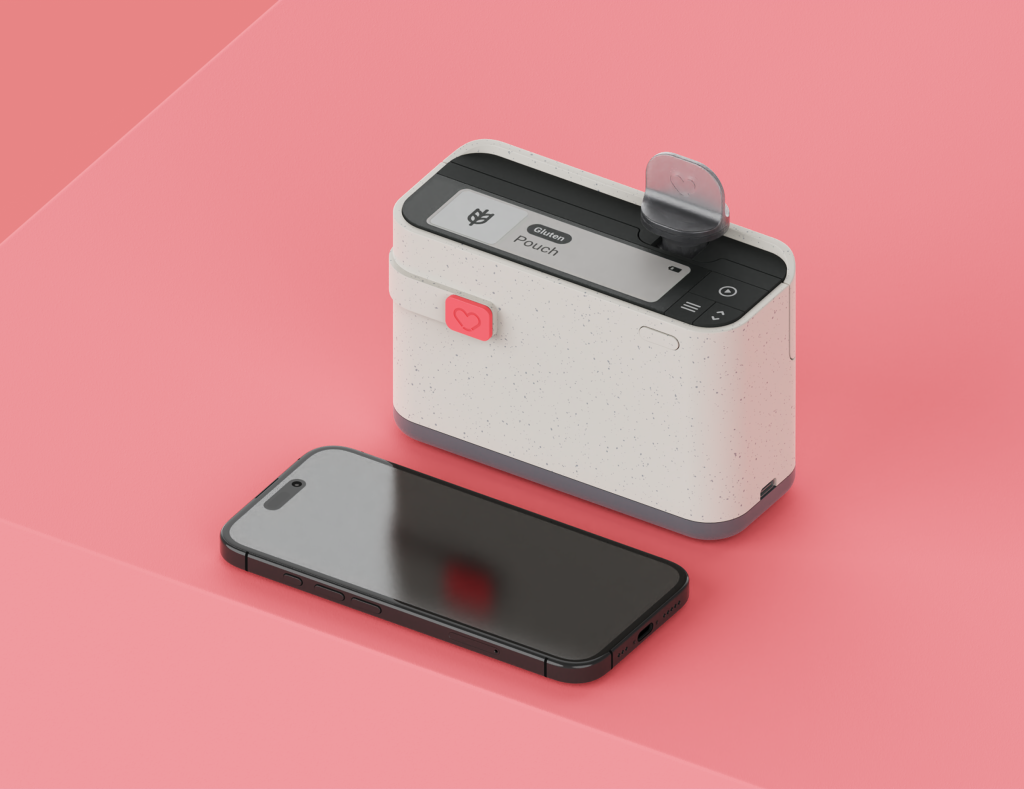
Image from Allergen Alert portable food allergen and gluten detection device. Allergen Alert.
Beauty giant L’Oréal showcased an ultra-thin LED facial mask. Unlike rigid LED panels, the mask is made of flexible silicone with multiple independently controlled light zones, including areas under the eyes. It emits red and near-infrared light (630 nm and 830 nm), which dermatologists commonly associate with improvements in wrinkles, uneven tone, and skin laxity. The device is expected to enable short, 10-minute daily cosmetic treatments at home.
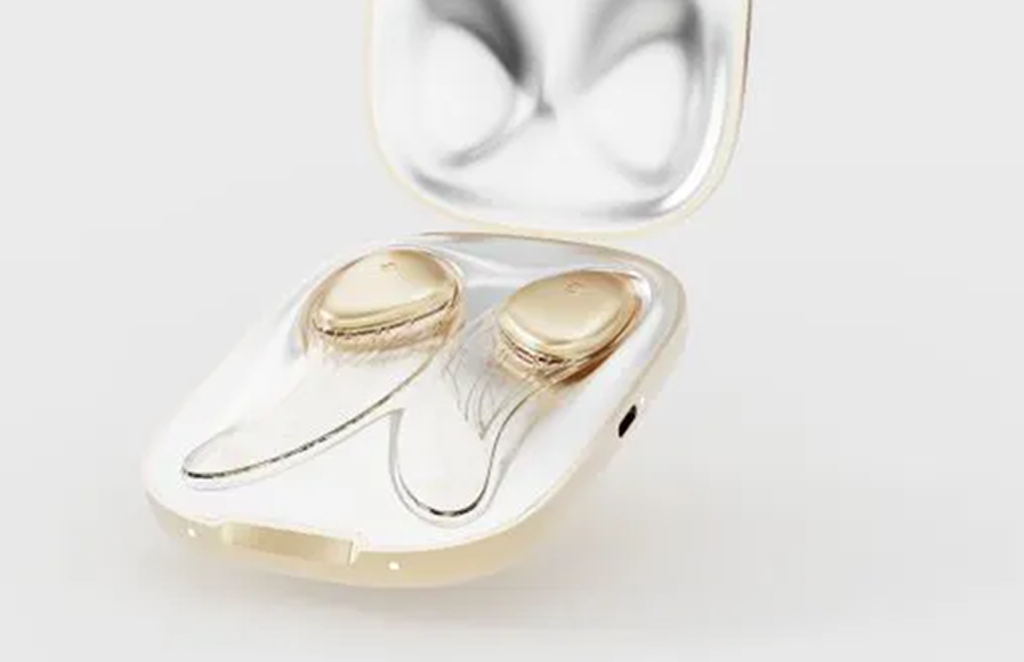
Image from LED Eye Masks. CES Innovation Awards. CES.tech / L’Oréal Groupe.
Another notable exhibit was a “stress-management capsule” developed by Reconcept. The installation places the user in a near-zero-gravity state: a person lies on a platform that gently tilts and vibrates while nature sounds and music play. According to the developers, this weightless mode helps relieve muscle tension, calm emotional stress, and may even have a positive effect on digestion. The project is a conceptual approach to combating stress and fatigue.
Neurotechnology also featured prominently at CES 2026, with a range of brain–computer interface (BCI) devices. One example was a prototype neuro-headset developed by Boston-based Neurable in collaboration with gaming brand HyperX. The device takes the form of gaming headphones equipped with integrated EEG sensors. It reads brain electrical signals in real time, assesses attention and fatigue levels, and helps improve focus during training. According to the company, testing showed an approximately 3% increase in shooting accuracy among esports athletes, reaction time was reduced by several dozen milliseconds.
CES experts awarded innovation prizes to several medical projects. Among them was a portable arm rehabilitation robot developed by The Hong Kong Polytechnic University for post-stroke recovery. This compact desktop device uses four rollers and a motorized system to simulate semi-circular and vertical movements of both arms, enabling high-intensity therapy at home. Thanks to its DIY-oriented design — including omni-wheels and a lightweight frame — the system is significantly more affordable than traditional stationary rehabilitation machines.
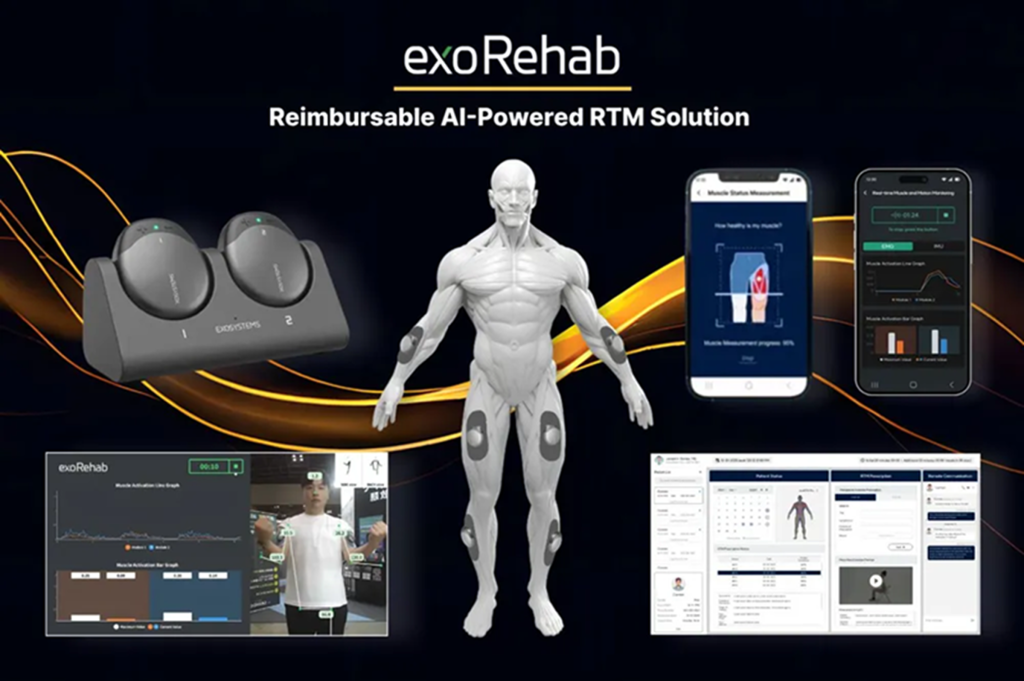
EXOSYSTEMS Inc. presented exoRehab, an AI-powered platform for remote physiotherapy monitoring. The system combines wearable sensors with AI analytics to effectively “increase the dosage” of home-based rehabilitation exercises while providing feedback to clinicians. According to the developers, exoRehab is already gaining recognition as a reimbursable medical service, allowing patients to undergo high-quality rehabilitation outside clinical settings.
The startup IMOON Healthcare introduced DeepSarco, a 3D AI-based system for diagnosing sarcopenia — age-related muscle loss. The device generates three-dimensional muscle images and automatically assesses muscle condition, helping clinicians detect and prevent physical decline in older adults.
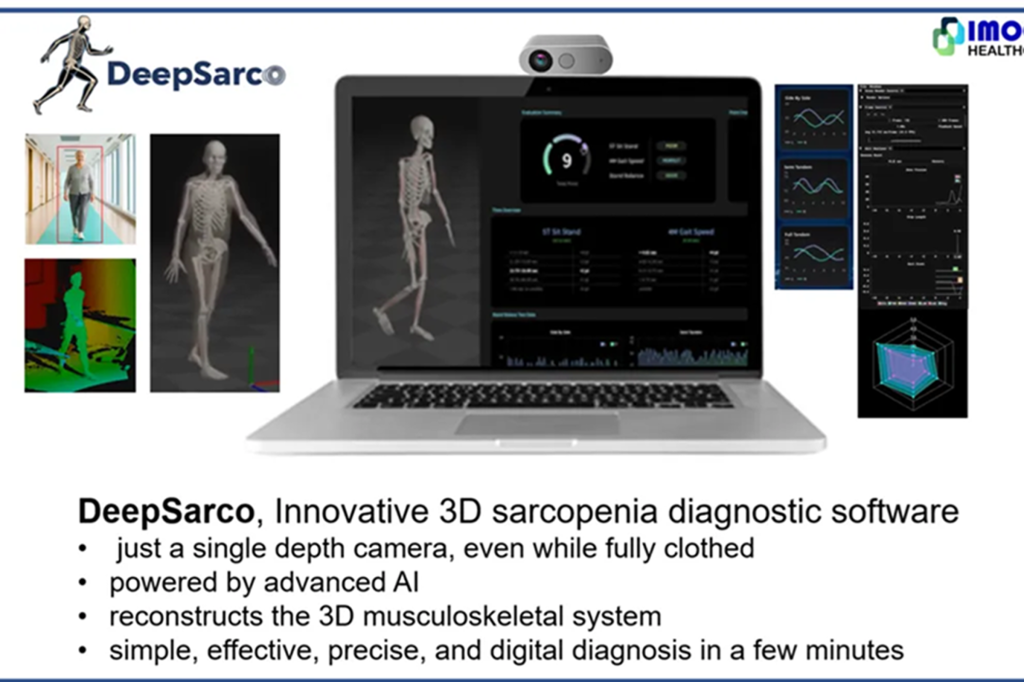
Image from DeepSarco: 3D AI Sarcopenia Diagnosis (DeepSarco device image). (2026). CES Innovation Awards.
CES.tech / IMOON HEALTHCARE Co., Ltd.
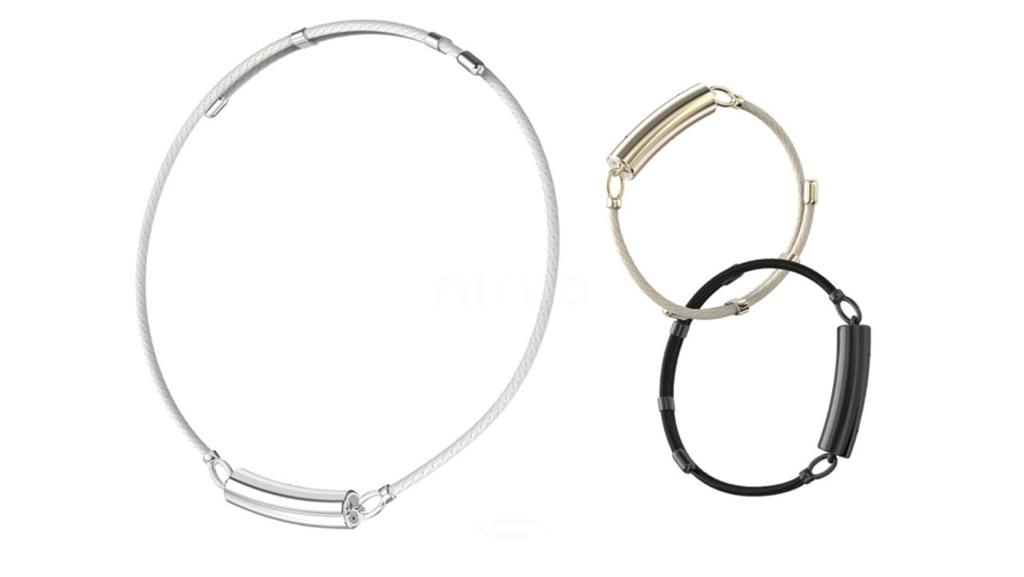
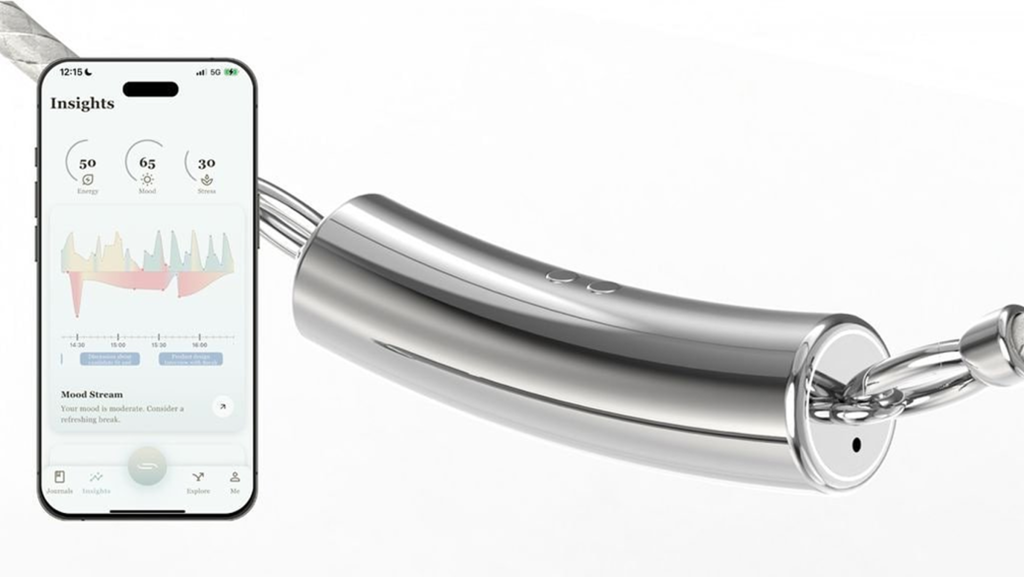
Nirva was one of the most unconventional gadgets at CES 2026, sitting at the intersection of AI, psychology, and design. Formally, it is an AI-powered wearable; in practice, it is a piece of smart jewelry that discreetly accompanies the user throughout the day while automatically maintaining a kind of “life diary.” Inside the device are two microphones, an ambient light and UV exposure sensor (ALS), and an inertial measurement unit (IMU) that tracks movement. Together, these components capture the context of daily activity, while interpretation takes place in a mobile application. There, raw data is transformed into clear metrics reflecting mood, energy levels, and stress.
A key feature is voice tone analysis and its variation across different social interactions: Nirva identifies which conversations and people are emotionally draining and which are energizing. Based on this, the app offers personalized insights and gentle self-regulation recommendations. When needed, users can also contact the Nirva’s assistant directly — via call or message — to receive guidance on stress reduction or overall well-being.
CES 2026 made it clear that healthcare technologies are moving away from episodic measurements toward continuous observation. Smart pads, wearables, neurostimulators, and AI-driven diagnostics promise earlier detection, personalized insights, and greater patient autonomy. At the same time, many of these tools rely on persistent data collection — sometimes extending beyond physiological signals into behavioral context and everyday interactions. The challenge ahead is not only technological, but ethical: ensuring that smarter health does not come at the cost of privacy, trust, or a sense of control over one’s own data.