

When a person is placed on a transplant waiting list, time starts moving differently. Life seems to go on, but somewhere in the background there is always a countdown: the constant wait for a call saying that the right organ has been found.
Aliaksandr Marozau
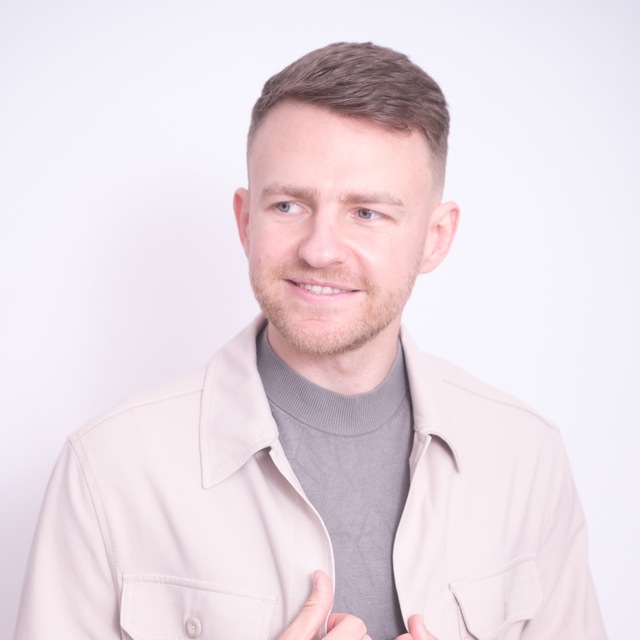
Aliaksandr Marozau
M.D., PhD Candidate. Physician, medical editor, and digital health expert with over a decade of experience at the intersection of medicine, science journalism, and technologies. His work focuses on evidence-based medicine, AI and human–computer interaction, and translating complex technological topics into clear, accessible narratives.
A typical day in the emergency department. A patient comes in with chest pain, and there is little time to spare. The physician opens the patient’s chart and, within seconds, sees previous ECGs, a medication list, allergies, lab results, a CT scan, and notes from a cardiologist at another clinic. For the physician, it is just a screen. For the IT team, it is a complex chain of medical systems, storage, data exchange standards, access controls, and backups.
In January 2024, an employee at the Hong Kong office of an international company received an email supposedly from the chief financial officer of the company’s UK headquarters. Then came what looked like an ordinary internal meeting: a closed video conference, several colleagues on screen, the calm voice of a senior executive, and instructions for confidential transfers. The people looked familiar. The voice sounded right. The transfer went through — and the money ended up in the hands of scammers.
When The Matrix came out in the late 1990s, its most unsettling idea was not the special effects. It was the possibility that consciousness could be placed inside an artificial world — and experience it as real. Back then, it seemed like the kind of science fiction that worked precisely because it felt impossible.
When a person comes to a hospital, what matters to them is that the doctor can see their test results, the front desk does not mix up appointments, the insurer receives the necessary information, and none of the examination results get lost. Most of us do not care how exactly these systems exchange data. Yet in practice, everything depends on it.
Surgical robots are already part of modern medicine, but few people seem to realize it. The paradox is that the technology is advancing rapidly: new platforms, digital ecosystems, early clinical telesurgery protocols, and even laboratory demonstrations of partial autonomy are all emerging at once. Yet when you step into a hospital, things often look much the same as they did 5 to 10 years ago. Economics, regulation, and organizational barriers are a big part of the reason.
A child who is terrified of needles becomes so absorbed in a virtual world that they barely notice the vaccination happening. A stroke patient no longer has to monotonously repeat the same arm movement, but instead lifts a virtual sword to fight a dragon. And in the operating room, a surgeon can see digital anatomy aligned with the patient instead of constantly switching attention between the body and flat 2D scans.
This article concludes our series on the Hallmarks of Aging and on the ways science may be able to influence them. Earlier in the series, we introduced the topic in an overview of the rejuvenation field, and then explored specific mechanisms in articles on genetic and epigenetic changes, protein quality control, mitochondria, and cellular senescence, and autophagy, metabolism, and stem cells. Here we focus on the final three: altered intercellular communication, chronic low-grade inflammation, and dysbiosis.
We continue to explore the causes of aging in the body, known as the hallmarks of aging, and how humanity can already influence them today in an attempt to achieve rejuvenation. Earlier, we looked at the general concept of the hallmarks of aging, as well as what can already be done about aging-related causes connected with DNA damage, telomere shortening, and epigenetic alterations, and loss of protein quality control, mitochondrial dysfunction, and cellular senescence.
Aging had long appeared to be a slow wear and tear of everything at once. As we previously mentioned, it is increasingly described today as a set of specific malfunctions that can be measured and partly corrected in animal experiments. This article looks at what can already be done about aging associated with such hallmarks as protein quality control, mitochondrial function (the cell’s power plants), and the accumulation of senescent cells – those that have stopped dividing and functioning for the benefit of the organism yet continue to damage the surrounding environment. These processes reinforce one another.