


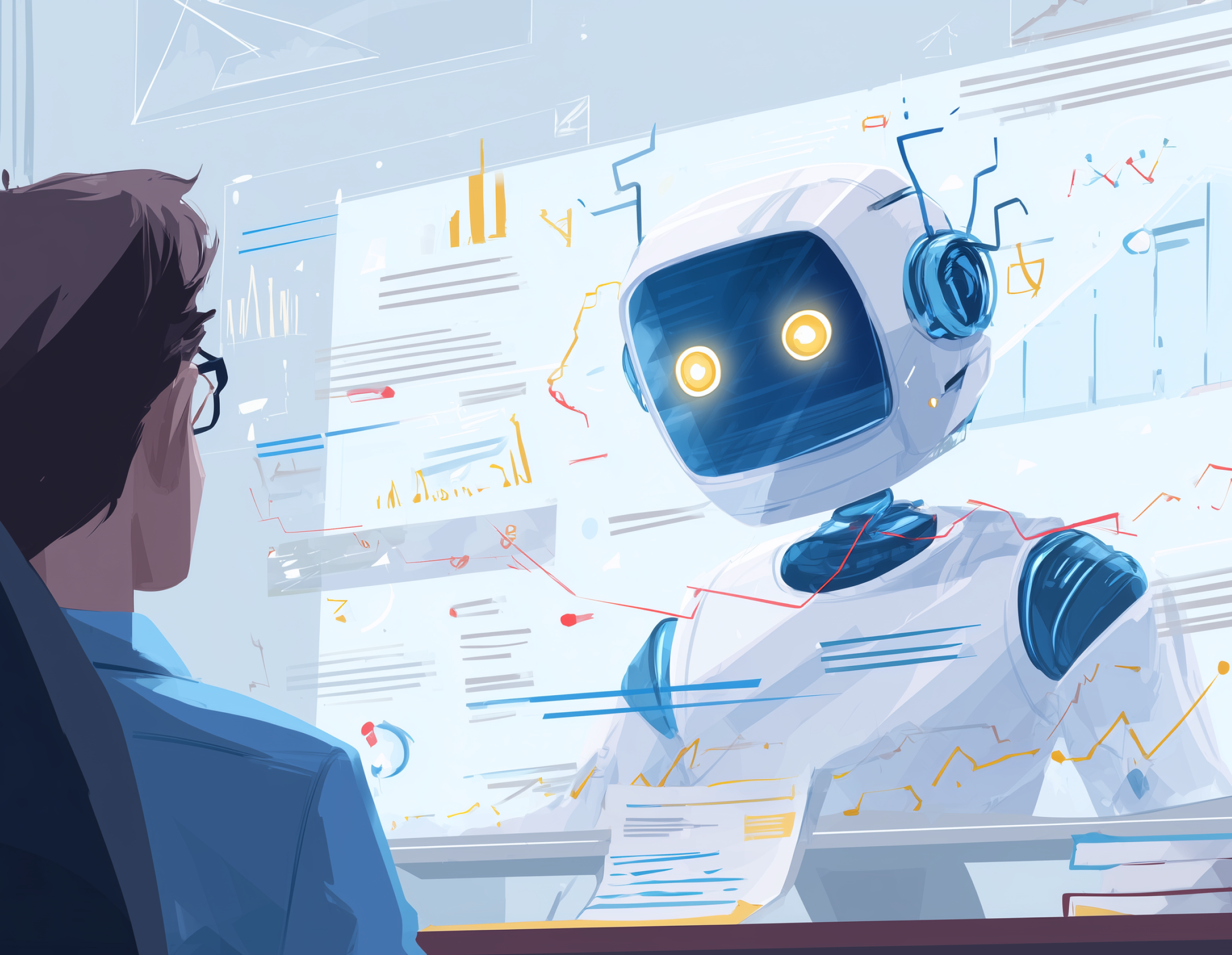
A few weeks ago, the world’s largest annual consumer electronics exhibition — the Consumer Electronics Show (CES) 2026 — came to an end. CES 2026 delivered a parade of ambitious consumer tech: AI companions, advanced driver assistance, home humanoids, and smarter devices for everyday life. It’s impressive, yet at times the demos feel like a polished version of ideas we’ve already seen in speculative fiction, with just enough “Black Mirror” energy to make you pause.
Historically, CES has been the place where technologies that later change the world are first unveiled. For example, the first home video cassette recorder (the Philips N1500) was presented at CES in 1970, the compact disc debuted in 1981, and Microsoft introduced the Xbox game console in 2001. CES traditionally sets the tone for technological development in the years to come and serves as a global platform for announcing innovative gadgets and scientific breakthroughs.
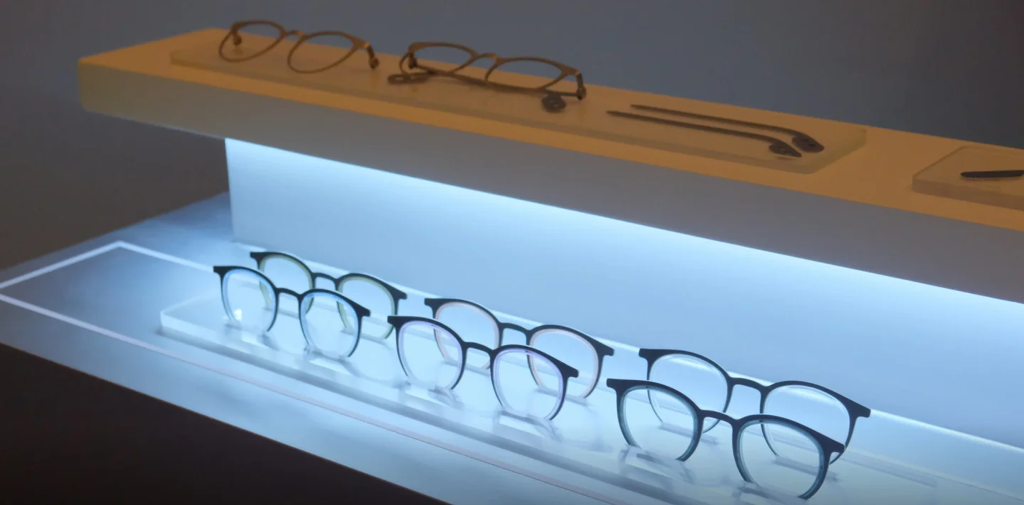
CES 2026 showcased a wide range of consumer gadgets, transportation concepts, smart home devices, and robotics. Lenovo, for instance, demonstrated a gaming laptop with a stretchable OLED display, while Samsung unveiled an experimental smartphone with a triple-folding screen. In the category of “AI accessories,”: the Chinese company XGIMI introduced the lightweight Memo One featuring speech translation and an AI assistant , while Razer presented Project Motoko — a concept for “smart” headphones equipped with cameras that perform augmented reality tasks such as object recognition and sign translation.
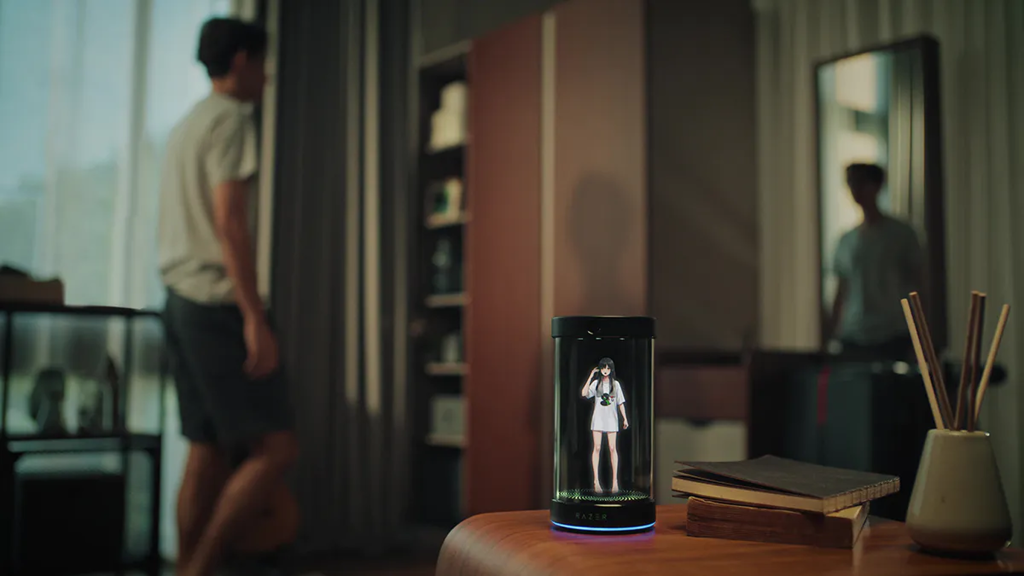
Another intriguing concept was Project AVA, Razer’s attempt to “materialize” a digital assistant. Rather than a simple chat interface on a phone, AVA is envisioned as a desktop mini holographic companion designed in a distinctly gamer-centric aesthetic. In its demo version, it displays an animated avatar on a compact screen, listens via microphones, and can connect to contextual inputs (camera, PC environment) to provide in-game advice, assist with tasks and planning, and generally act as a kind of “life coach.” Razer emphasizes that AVA is designed as a training and coaching tool rather than a cheating aid and has already begun collecting pre-orders and deposits ahead of a planned release in the second half of 2026.
Ford (USA) announced at CES 2026 that its BlueCruise driver assistance system — currently a hands-free but eyes-on autopilot allowing the car to drive itself on pre-approved highways while requiring the driver to watch the road — is expected in its next generation to reach SAE Level 3 autonomy. This would enable “eyes-off” operation in limited scenarios, where the vehicle assumes full control and the human driver intervenes only upon system request.
The first production vehicle featuring this technology is planned for 2028 and will be built on the new Universal EV (Electric Vehicle) platform. Ford emphasizes that key components of the autonomous system (sensors, computing platform, and software) are developed in-house, although specific sensor configurations, including potential lidar use, have not yet been disclosed.
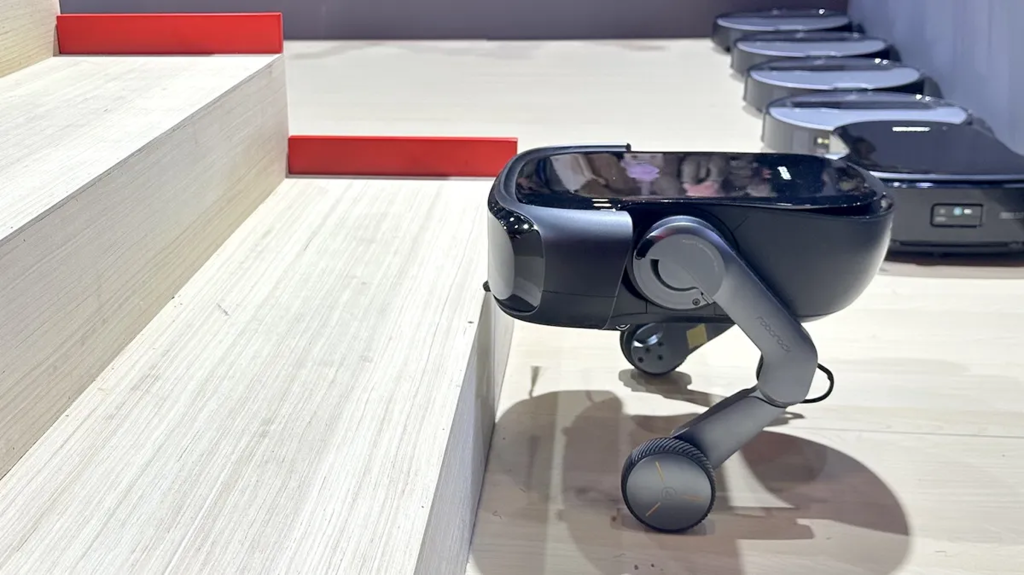
The Chinese company Roborock introduced Saros Rover, the world’s first robotic vacuum cleaner built on a “wheel-leg” articulated architecture. Equipped with two powered wheel-legs, the robot can climb stairs and overcome thresholds while maintaining stability. Saros Rover uses AI and 3D sensors to navigate multi-level homes, making it a truly autonomous cleaning assistant.
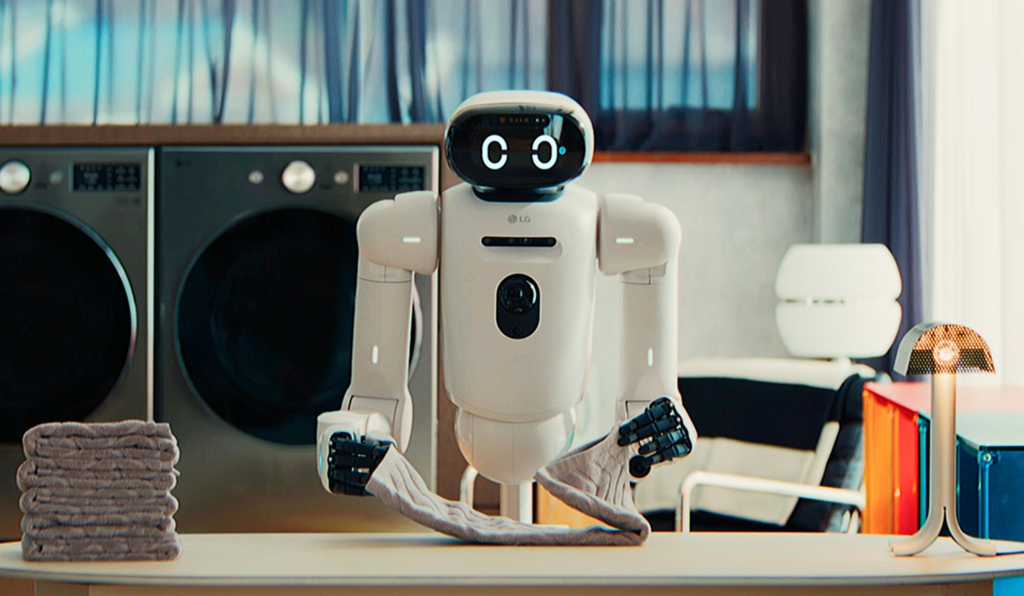
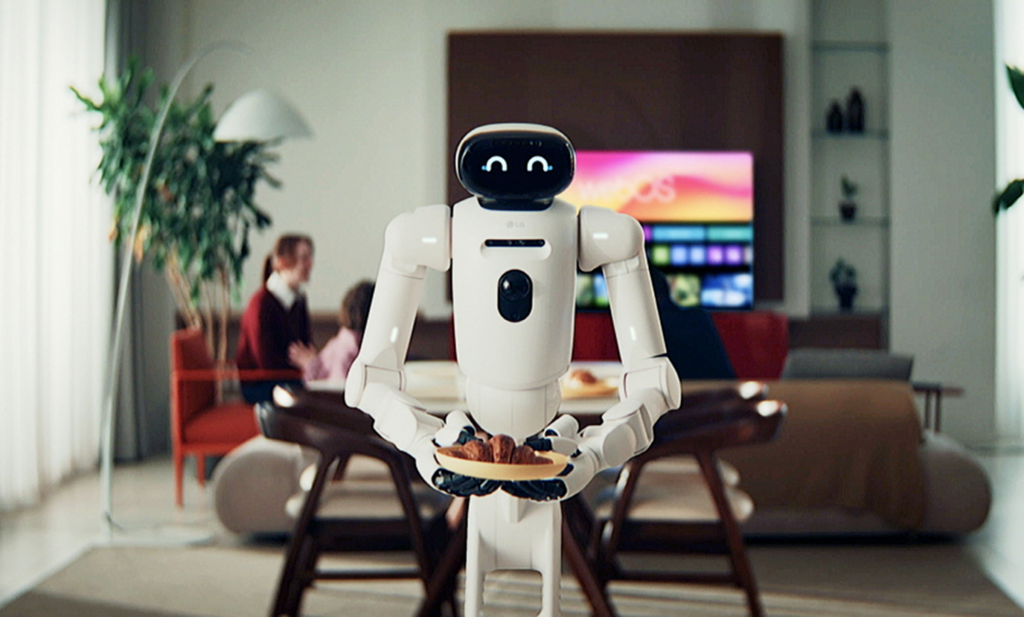
LG Electronics unveiled its first home humanoid robot, CLOiD. Featuring two articulated arms with five fingers each, the robot is capable of performing household tasks such as loading laundry into a washing machine, placing dishes in an oven, or clearing a table. CLOiD is integrated into the LG ThinQ smart home ecosystem and controlled via voice commands. Its defining feature is “Affectionate Intelligence” — an emotional intelligence system based on a language model that allows the robot to recognize context and the emotional state of household members. Perhaps in just a few years, our homes may be shared with devices empathetic enough to offer genuine emotional support.
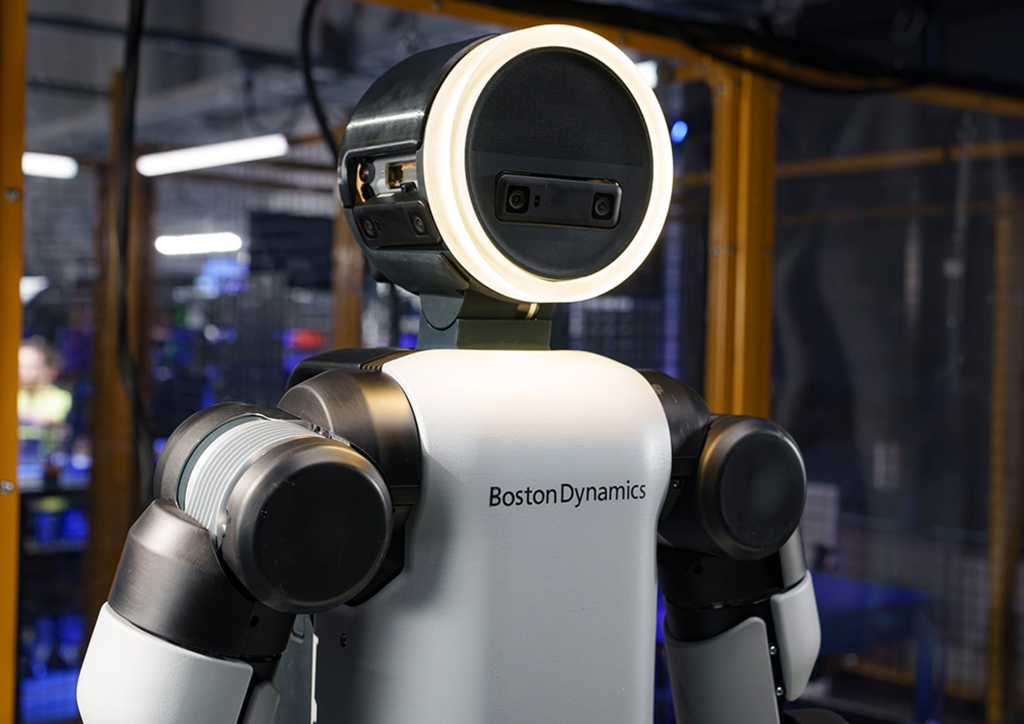
One of the most famous humanoid robots, Atlas — likely familiar from videos in which its prototypes are pushed, tripped, or otherwise tested to their limits — definitively moved at CES 2026 from the realm of viral demonstrations into that of an industrial product platform. Boston Dynamics and Hyundai unveiled a new, fully electric version of the humanoid robot and publicly outlined plans for real-world industrial deployment. A key theme echoed throughout discussions of the physical AI era: the hardware itself is already impressive, but the true “magic” begins when Atlas is trained and scaled using modern AI models and simulations — enabling real tasks such as part handling, sorting, and operating in dangerous or physically exhausting environments alongside humans.
In addition, the exhibition featured robots designed to assist elderly and disabled individuals, as well as AI-powered household devices — such as automatic smart towel warmers for bathrooms, sensor-based intelligent storage units, and more. CES 2026 demonstrated that the “smart home” continues to expand, encompassing everything from medical devices to climate control and domestic services, including robotic assistants and digital twins.
That said, some devices were undeniably unusual.
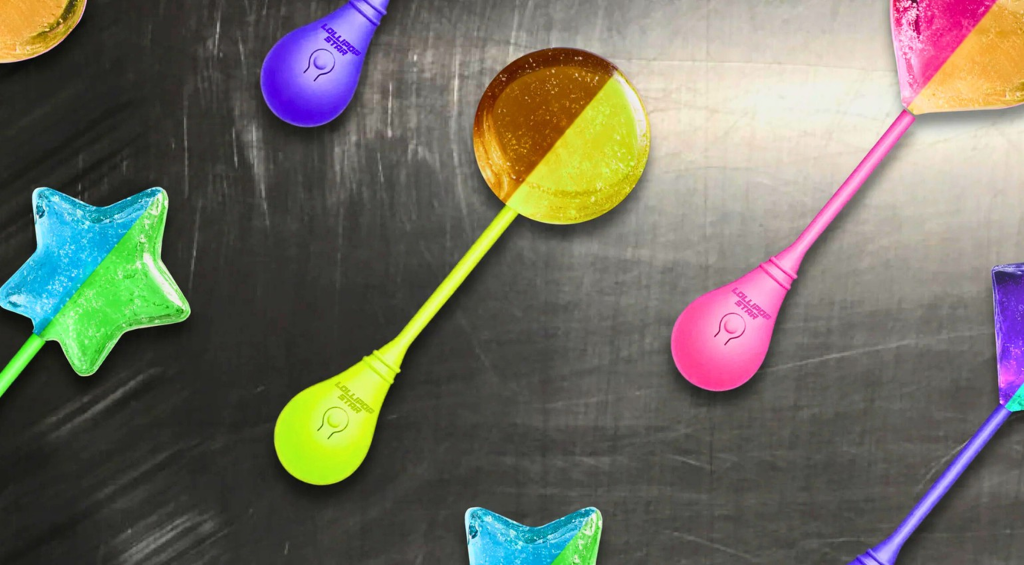
Imagine a lollipop that lets you hear music inside your head while you suck on it. In fact, there’s no need to imagine it anymore — Lollipop Star does exactly that. The candy transmits sound via bone conduction: vibrations travel through the teeth and jaw to the inner ear, creating the sensation of music playing “inside the head” without the need for headphones.
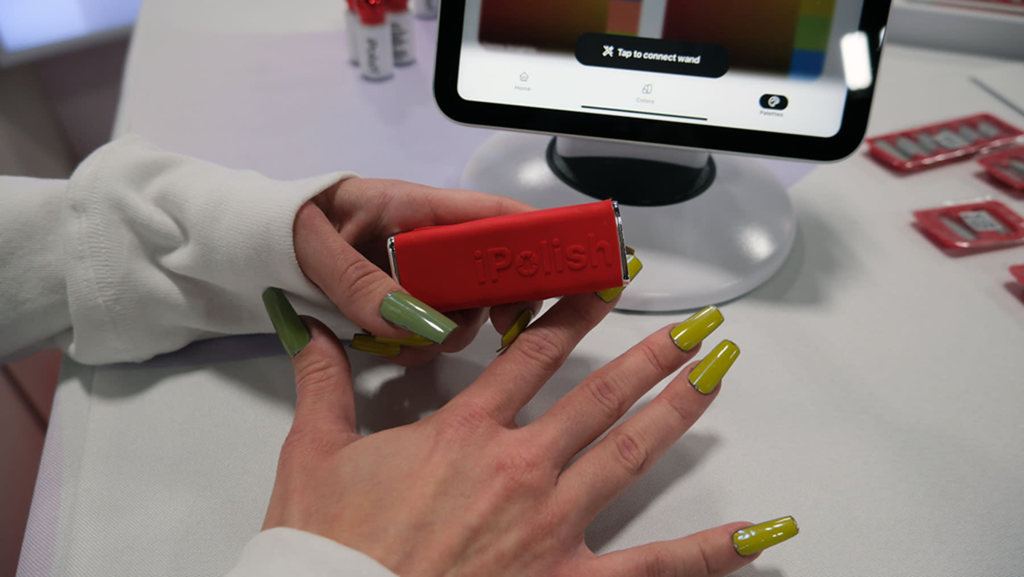
Another surprising project came from iPolish, which turns a manicure into something resembling a playlist. The company introduced press-on nails with built-in “electronic paint” (an electrophoretic technology often compared to e-ink), allowing nail color to change on command via a mobile app. Users select a shade (with hundreds — over 400 — reportedly available), apply a “magic wand” activator, and the nails switch colors in seconds, retaining the new color without continuous power.
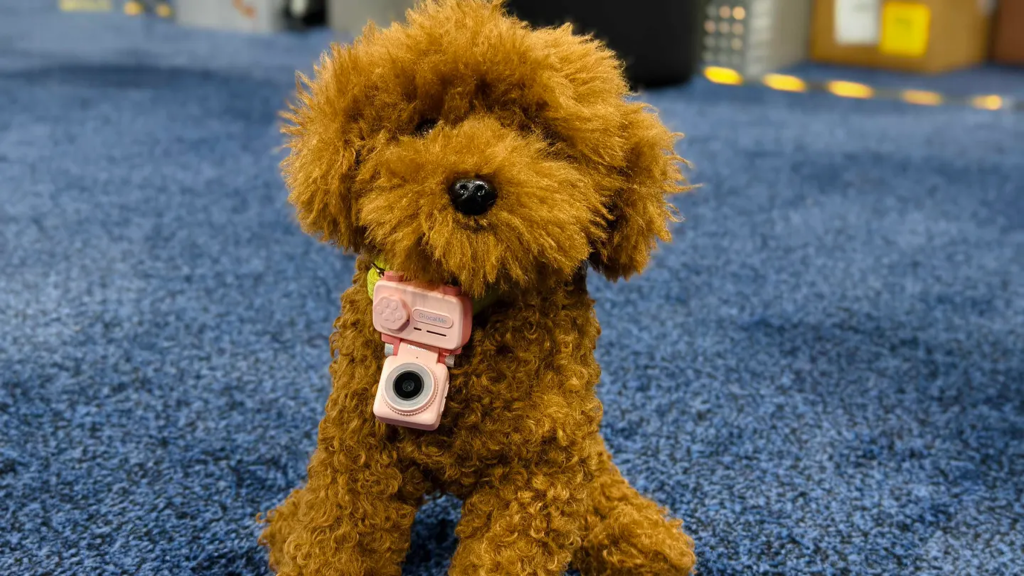
And if you have ever wanted to call your pet, that may soon become possible thanks to PetPhone. This is not a meme, but an emerging category of devices: a “smartphone for pets” in the form of a wearable collar gadget that combines two-way communication, geolocation, and — in some versions — a camera. Owners can “call their dog,” and in certain setups, pets can even initiate contact themselves, for example by performing a trained movement. At CES, several implementations were presented: uCloudlink, for instance, promoted the PetPogo ecosystem featuring PetPhone and PetCam as a way to “bridge the gap” between people and animals, alongside other pet-phone solutions focused on video and tracking.
CES 2026 confirmed that artificial intelligence is being integrated into virtually every sphere of modern life — from automobiles to medicine. Innovations in healthcare and wellness, ranging from wearable devices and neurotechnology to home diagnostic systems, are closely linked to the growing focus on prevention and longevity. At the same time, autonomous technologies (electric vehicles and robotaxis), smart homes, and personal gadgets demonstrate an expanding role for technology in everyday assistance.
It will be fascinating to look back from the vantage point of 2030 and assess which of the innovations unveiled at CES 2026 became part of everyday reality, although, given the pace of technological change, some of them may well have fallen out of fashion by then.