


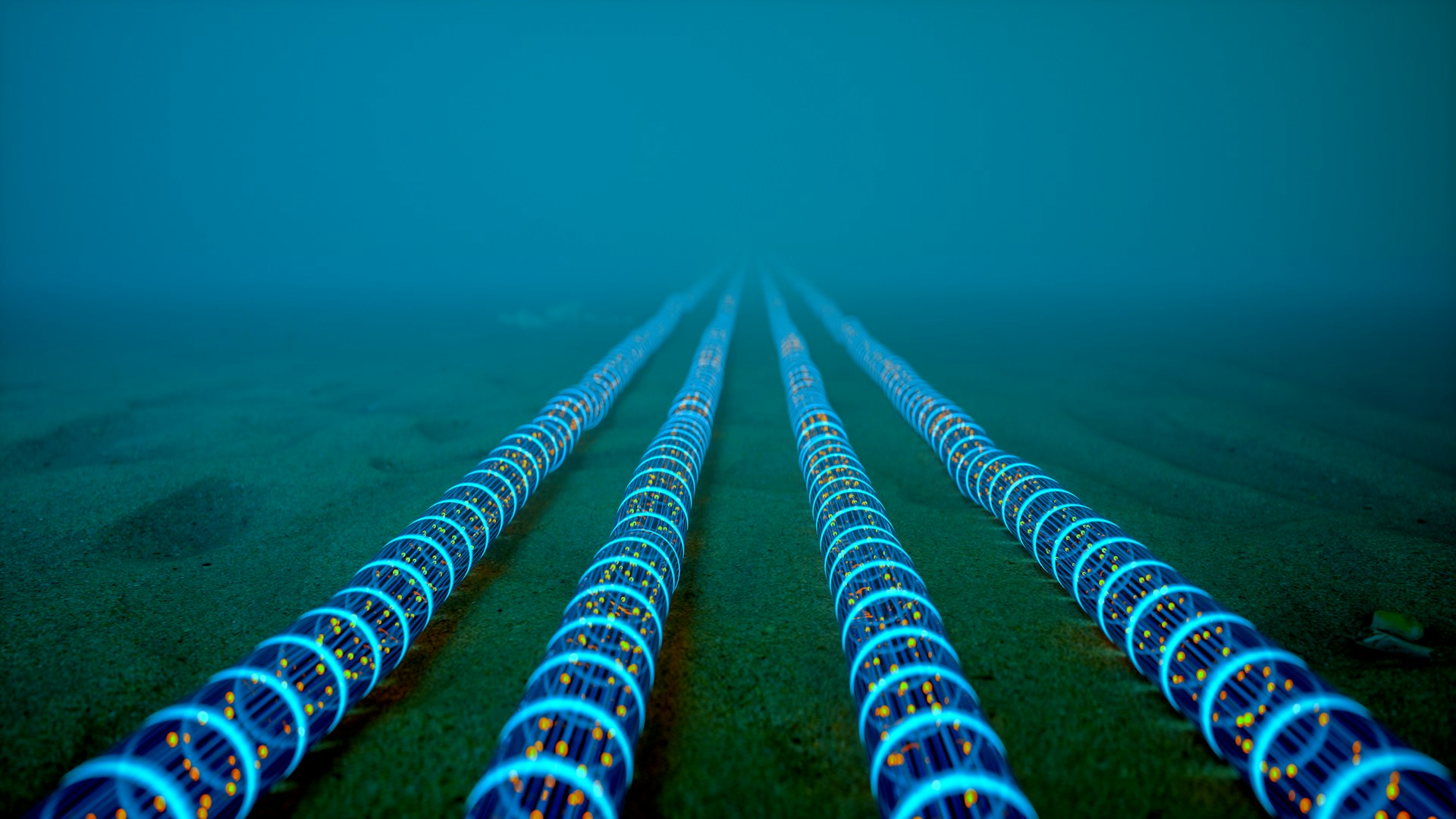
The arms race is no longer confined to tanks, missiles, and sonar; major powers are increasingly trying to cripple one another on the technological front. According to recent reports, China has conducted advanced trials of a new ship-mounted device designed specifically to physically destroy subsea telecommunications lines. The system can operate at extreme depths reaching 3,500 meters below sea level, enabling interference with transmission routes on virtually any ocean floor.
News of the Chinese weapons tests arrives at a highly volatile moment for global security. Recent years have seen a drastic spike in damage to underwater infrastructure, much of it classified as deliberate sabotage. The waters surrounding Taiwan represent a primary high-risk zone, having suffered 27 communication blackouts caused by severed cables since 2018. However, the issue extends far beyond Asia – a string of still-unexplained incidents and structural damage in the Baltic Sea underscores the global nature of the threat.
The stakes in this underwater arms race are massive. Subsea fiber-optic cables carry roughly 95% of all data on Earth. They form the absolute backbone of the modern internet, handling daily digital traffic, international financial market transactions, and strategic state communications.
The capability to precisely and covertly sever these critical connections at extreme depths is a major asset in modern warfare. In any potential clash between superpowers, digitally paralyzing a nation could prove just as devastating as a traditional military strike.