


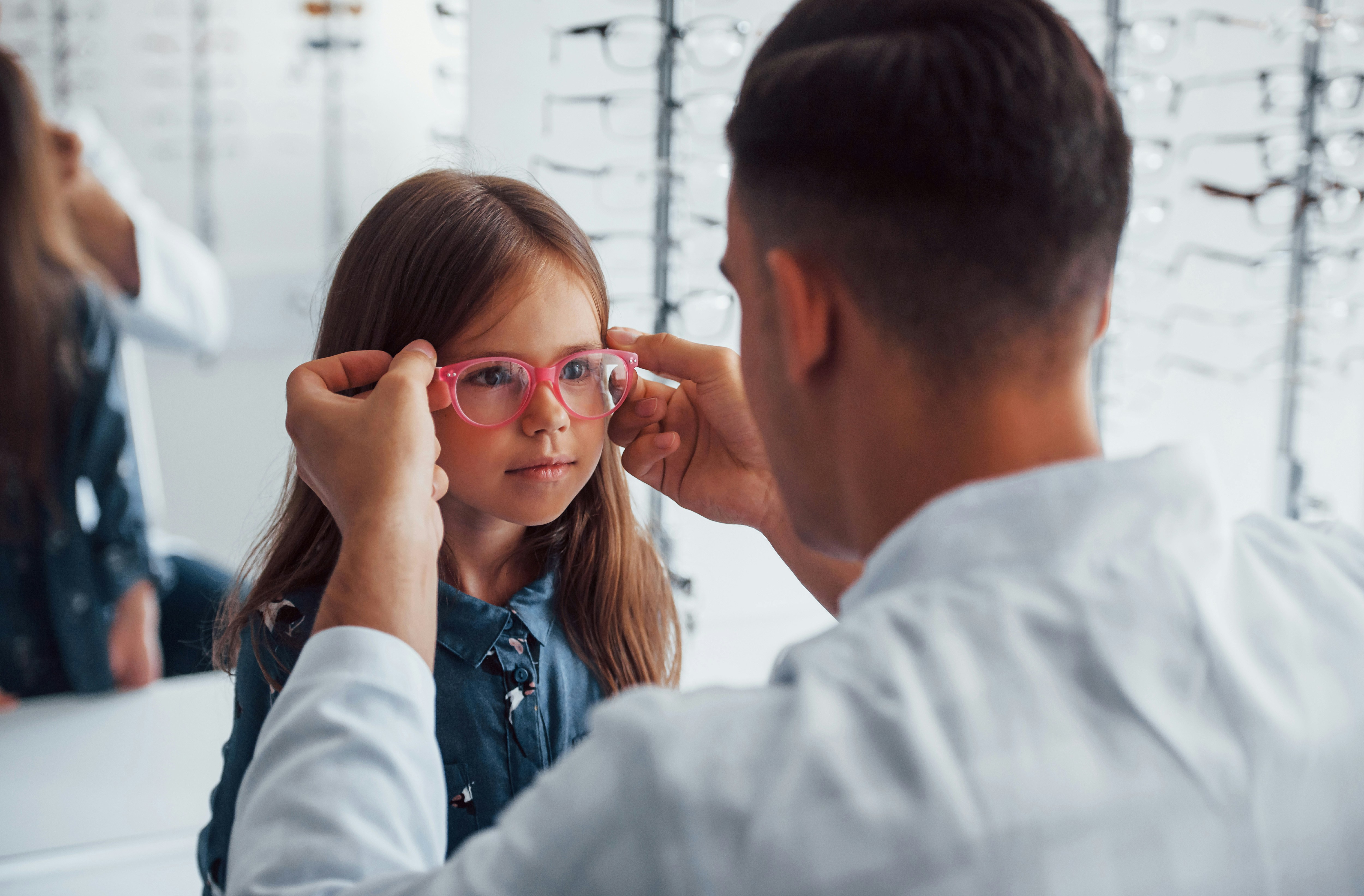
This is the kind of announcement that people await with bated breath, as it has the potential to improve the lives of millions of children. The FDA has just approved the first specialized eyeglasses that may help slow the development of progressive myopia in kids.
The newly approved glasses are intended for children aged 6 to 15 who are experiencing rapidly worsening myopia. This marks the first time in history that the FDA has approved eyeglasses not merely as a vision-correction tool but as a therapeutic device designed to influence the rate at which the condition progresses. According to ABC News, clinical trial results show that the glasses can significantly reduce the rate of eye-lengthening — the biological process that causes myopia to worsen.
The glasses use a special optical technology that creates controlled retinal defocus, which research suggests can slow the growth of the eye. This method has been tested in several long-term clinical studies and consistently demonstrated a slowing effect in children whose vision typically deteriorates quickly. The FDA assessed the device as highly safe, with minimal side effects.
The rise of childhood myopia has become one of the most urgent ophthalmological challenges in recent years. Increasingly younger children are being diagnosed with vision impairment, and forecasts suggest that by 2050, up to half of the global population may be myopic. The problem is linked to prolonged use of electronic devices, extensive near-work, and insufficient time spent outdoors.
The approval of these new glasses paves the way for more accessible treatment options for families for whom alternatives — such as orthokeratology or atropine eye drops — can be costly, time-consuming, or difficult to maintain. Experts emphasize, however, that the glasses do not completely halt the condition; they merely slow it down. The best results come when combined with regular eye exams and preventive habits, including spending more time outdoors.
The FDA notes that the glasses may become a standard of care in the U.S. within the next few years, especially for children with rapidly progressing myopia. Manufacturers are preparing to release several models, and doctors expect the solution to be simpler, more affordable, and easier for young patients to accept than other treatment methods. One of today’s most widespread lifestyle-related conditions may soon become far less burdensome — particularly for the youngest patients.