


Apple Watches have long offered advanced health-monitoring capabilities, including fall detection, which is particularly useful for older users. But it turns out that some of the solutions used by Apple may be protected by existing patents.
That is what Masimo — a medical-technology company that for years has supplied non-invasive systems for monitoring patients’ vital signs, including highly precise optical pulse oximetry used in hospitals worldwide — asserts. Its technology is widely respected in medicine and safeguarded by numerous patents. According to the lawsuit, Apple recruited key Masimo employees and used aspects of their technology to develop features for the Apple Watch.
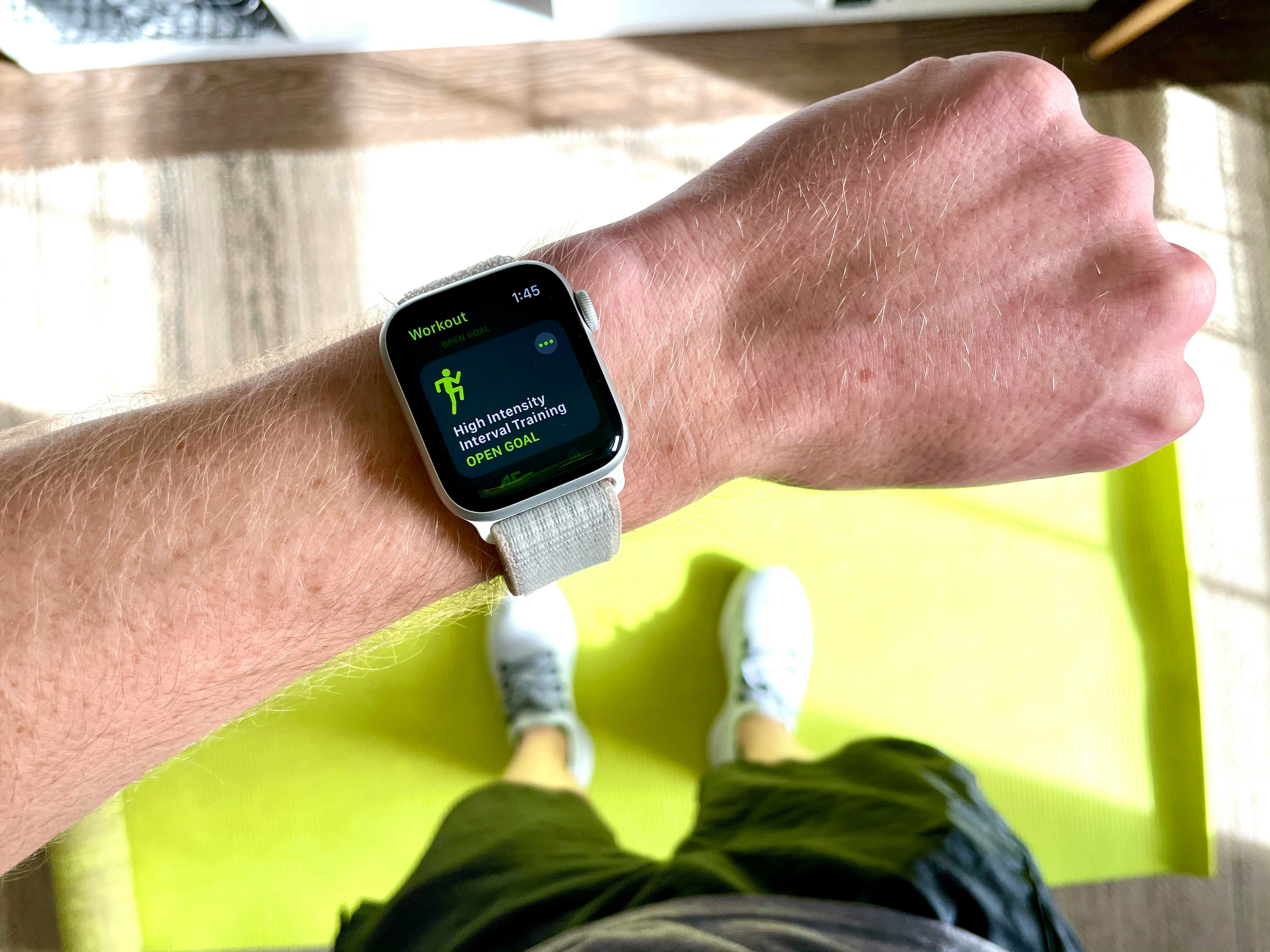
The federal jury in California found that features such as workout mode and heart-rate notifications in the Apple Watch infringed on Masimo’s patent claims. Apple has announced it will appeal, arguing that the patent in question expired in 2022 and is based on older technology. In its statement, Masimo called the verdict an “important victory” for intellectual-property protection, which it says is crucial for developing technologies that support patient health.
The conflict between the two companies is not new — it already has a long history. In 2023, the U.S. International Trade Commission (ITC) banned the import of certain Apple Watch models (Series 9, Ultra 2) into the U.S. due to Masimo’s patent claims. Apple responded by modifying the software in its watches to circumvent the ban.
Although the patent at the center of the case (No. 10,433,776) expired in 2022, the jury concluded that Apple created such a level of similarity between Apple Watch features and Masimo’s medical devices that the smartwatch should effectively be treated as a “patient monitor.” Apple described the ruling as “contradictory to the facts” and vowed to appeal.
The verdict could have significant consequences for the entire wearables industry, where health-monitoring technologies are one of the core competitive advantages. Apple appears poised to fight to the end, insisting that any damages should range between $3 million and $6 million — roughly 100 times less than what Masimo is seeking.