


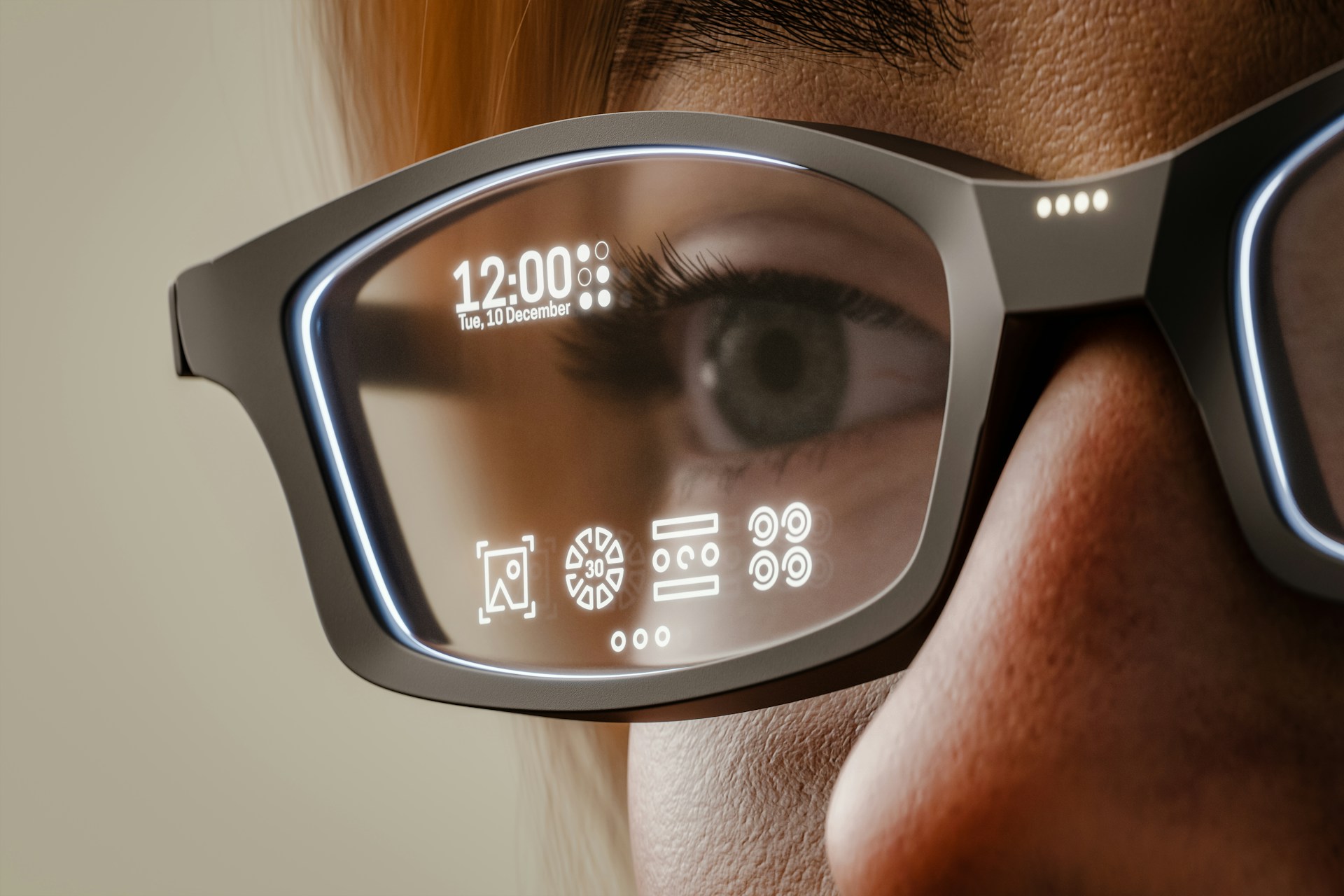
American law enforcement is entering a completely new level of surveillance. Budget documents obtained by independent journalist Ken Klippenstein reveal that the Department of Homeland Security (DHS), through its Science & Technology Directorate, is developing the so-called ICE glasses project. The official goal is to equip immigration agents with hardware that will automatically identify “illegal aliens” from a distance.
Unlike commercial gadgets such as the old Google Glass (whose users were dubbed “glassholes” due to privacy concerns), ICE glasses are intended to be a powerful operational tool. The budget document specifies that the project will deliver hardware “to equip agents with real-time access to information and biometric identification capabilities in the field.”
This technology is designed to be bidirectional. On one hand, the hardware will continuously analyze the surroundings, cross-referencing video feeds with massive federal biometric databases (from facial features to gait analysis) to single out individuals on so-called watchlists. On the other hand, the glasses will allow agents to covertly record pedestrians and add them to new, national registries without their consent – referred to in intelligence jargon as collecting “non-cooperative biometrics.”
Although the project is being promoted as an immigration enforcement tool, employees within the department itself have serious concerns about its true application. An anonymous DHS lawyer bluntly assessed in a conversation with Klippenstein: “It might be portrayed as seeking to identify illegal aliens on the streets, but the reality is that a push in this direction affects all Americans, particularly protestors.”
The technological foundation of this solution is not new. It stems directly from the wars in Iraq and Afghanistan, where the US military used devices like HIIDE to scan the irises and fingerprints of civilians to feed the military’s BEWL database. The civilian equivalent of this system is the ABIS database, overseen by civilian agencies, which currently contains around 75 million biometric records and can process up to 100,000 submissions per day.
FBI Director Kash Patel has himself reported a radical increase in biometric matches in recent months, pointing out, among other things, that his bureau “undertook a project earlier this year to vastly expand our overseas biometrics program.”
According to the timeline outlined in the budget documents, fully operational ICE glasses prototypes are expected to be available to federal agents by September 2027. As Klippenstein notes, Congress has been briefed on the project, but none of the key politicians sitting on homeland security committees have spoken out on the matter yet. The grim reality is that we are witnessing an attempt to transfer military surveillance technologies directly onto American soil.