
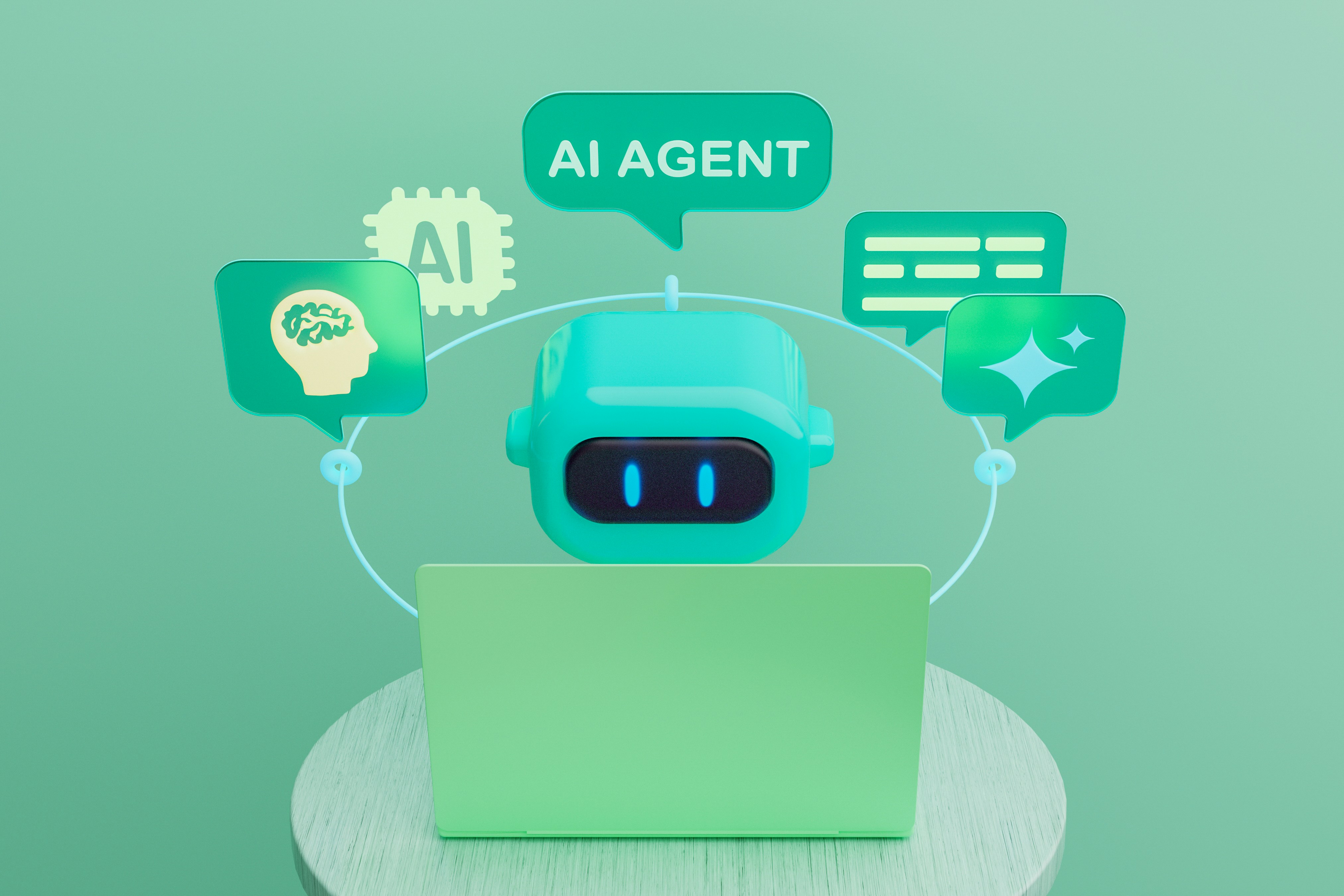
Model Council is available to Perplexity Max subscribers and runs the same query in parallel across three leading AI models — Claude Opus 4.6, GPT-5.2, and Gemini 3.0. A separate synthesis model is then used to produce a single harmonized response that clearly indicates where the models align and where their conclusions differ.
According to Perplexity, different AI models specialize in different types of tasks — one may perform better at coding, another at data analysis, and another at creative reasoning — which means a single model can have limitations or “blind spots” in specific contexts. Combining outputs from several models is intended to provide a more complete and trustworthy answer, which is especially important for complex market research and financial decision-making.
Perplexity notes that this mode can be particularly useful for:
- investment and financial analysis, where model bias can lead to costly outcomes,
- complex strategic decisions and scenario comparisons,
- creative ideation and exploring new perspectives,
- fact-checking in situations that require a high level of accuracy.
The new feature is currently available to Max users on the web, with mobile app support expected to follow in the coming weeks. Perplexity emphasizes that Model Council builds on the company’s existing strength in integrating multiple models into a single workflow, eliminating the need to manually switch between tools and synthesize results on one’s own.
Industry experts point out that this kind of approach — combining multiple models within a single analytical process — is likely to become increasingly common in professional and academic use, as many research tasks require not only a correct answer but also insight into whether different AI systems support that answer or diverge in their conclusions.