


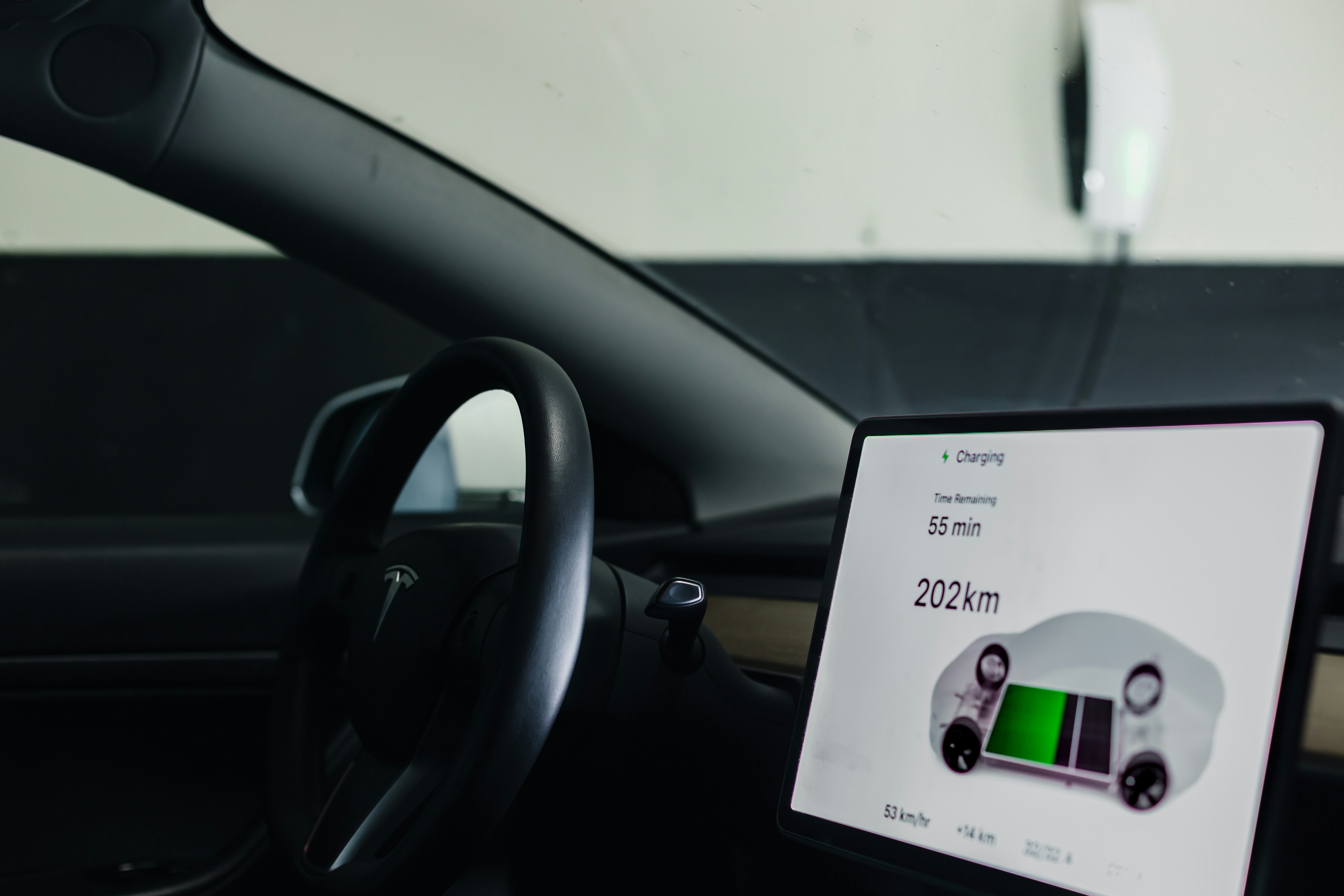
CATL and the Chinese automaker Changan Automobile have officially unveiled a passenger car model equipped with Naxtra-branded sodium-ion cells, which is scheduled to go on sale in the summer of 2026. This marks the first time sodium-ion batteries are being introduced in mass-production passenger vehicles rather than limited prototypes. CATL also announced that the technology will appear in future models from brands such as Avatr, Deepal, Qiyuan and UNI.
The new generation of sodium-ion batteries achieves an energy density of up to around 175 Wh/kg, bringing it close to today’s widely used lithium iron phosphate (LFP) cells in electric vehicles. In versions with a capacity of 45 kWh, cars powered by these batteries are expected to offer a driving range of up to 400 km on a single charge, and further development of the supply chain and the technology could eventually enable ranges of 500–600 km.
One of the key advantages of sodium-ion batteries is their strong performance in low temperatures and their lower dependence on critical raw materials, which could reduce long-term operating costs. CATL emphasizes that the cells maintain high power output even at temperatures as low as –30°C, and still retain more than 90% of their capacity at –40°C, a result that clearly distinguishes them from many lithium-ion chemistries.
Sodium-ion technology relies on cheaper and more widely available materials than lithium, giving it strong potential to reduce future EV battery production costs. CATL has been developing this chemistry since 2016, investing billions of yuan in research and development and building manufacturing capacity designed to enable rapid deployment across multiple segments — from passenger and commercial vehicles to stationary energy storage systems.