


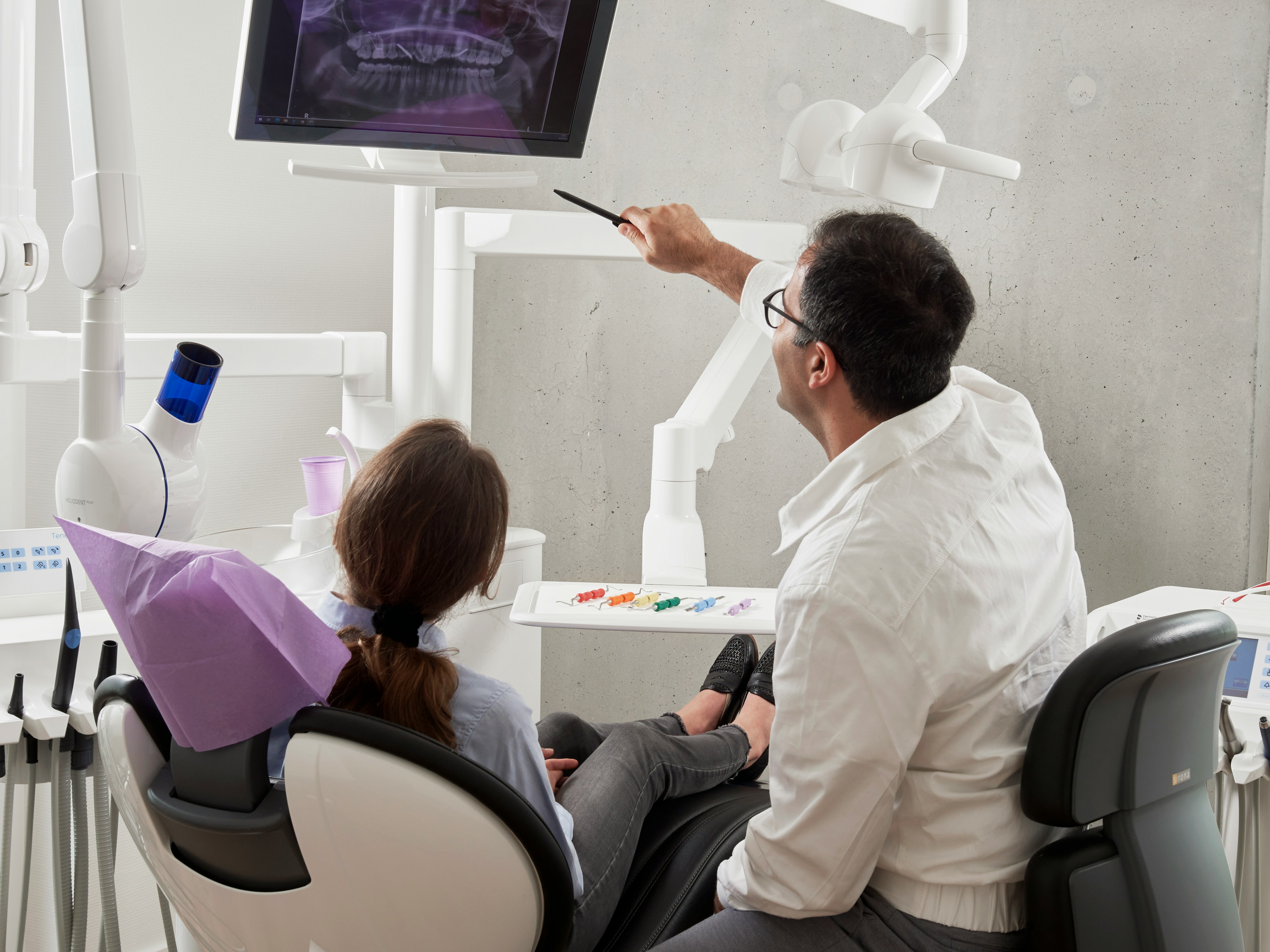
While we’ve mastered filling cavities and even replacing entire teeth with implants, enamel loss remains an unsolved challenge in modern dentistry.
That may soon change thanks to a research team at the University of Nottingham, which has developed a breakthrough protein gel formula that enables enamel self-regeneration. When applied to the tooth surface, the gel forms a kind of “scaffold” that attracts calcium and phosphate ions from the surrounding environment — primarily saliva — initiating a crystallization process that mimics the natural enamel formation that occurs during tooth development.
According to studies published by the university, within just a few weeks, the gel can rebuild a mineral layer with hardness and structure comparable to natural enamel.
Tooth enamel is the hardest tissue in the human body, but it lacks the ability to regenerate — once it’s lost, it can lead to sensitivity, pain, and increased risk of decay. Until now, treatments could only protect or mask damage, such as through fluoride application or composite fillings. The new gel, developed by Professor Alan Boyd’s team, is the first solution that may naturally repair enamel instead of replacing it.
Laboratory tests showed that the regenerated enamel reached up to 90% of the hardness of natural enamel. Moreover, the gel also acts on dentin — the layer beneath enamel — creating a protective barrier and reducing sensitivity. This could be transformative for people suffering from enamel erosion caused by diet, acid reflux, or bruxism (teeth grinding).
Although the research is still in the experimental phase, the scientists expect clinical trials to begin in 2026. If successful, the gel could appear in dental clinics within a few years. Importantly, the researchers note that the formulation could also be adapted for use in toothpaste or protective dental products, dramatically reducing costs and making it accessible to the general public.
The innovation also carries significant commercial potential. The dental industry is increasingly investing in regenerative and biocompatible materials, and if the gel proves effective in clinical practice, it could redefine how enamel loss is treated — or even prevented altogether.