


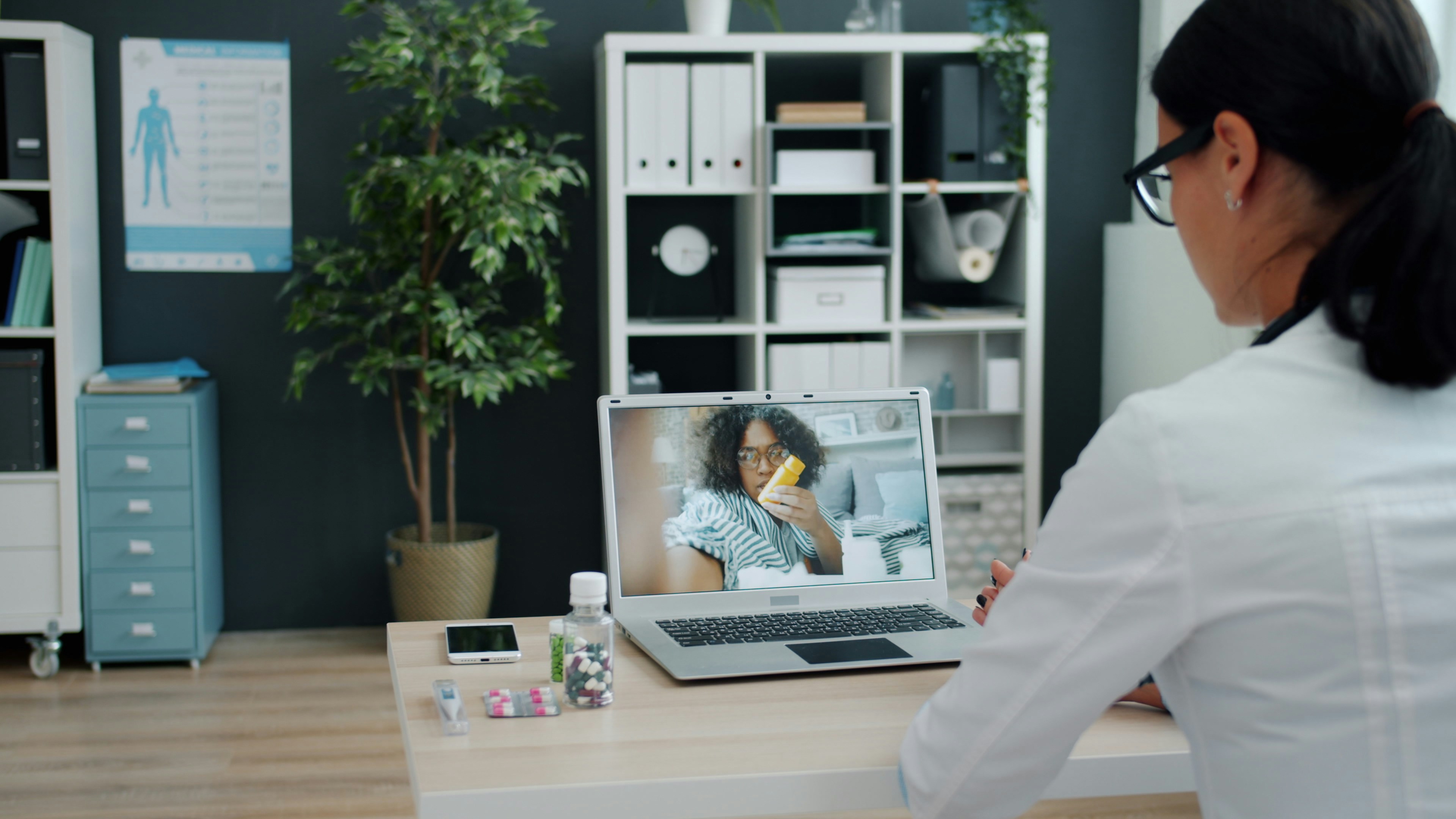
Patient visits to specialists cost the British healthcare system a fortune — and appointment slots are far from unlimited. To address these issues, the NHS has introduced a remote monitoring system that will be integrated into the official NHS App, allowing patients to report key health parameters such as blood pressure, oxygen levels, and symptom severity.
The data shared by patients will be automatically transmitted to their clinicians, who will decide whether an in-person appointment is necessary or whether care can safely continue remotely. This marks a significant step toward a more efficient “care closer to home” model.
The pilot programs will cover five key medical areas: otolaryngology, gastroenterology, pulmonology, urology, and cardiology. At Portsmouth Hospitals University NHS Trust, digital questionnaires have already been introduced for patients with respiratory conditions. The initiative aims to increase the number of people treated within 18 weeks and reduce waiting times for specialist visits. Overall, the NHS estimates that the remote monitoring program could free up to 500,000 specialist appointments each year.
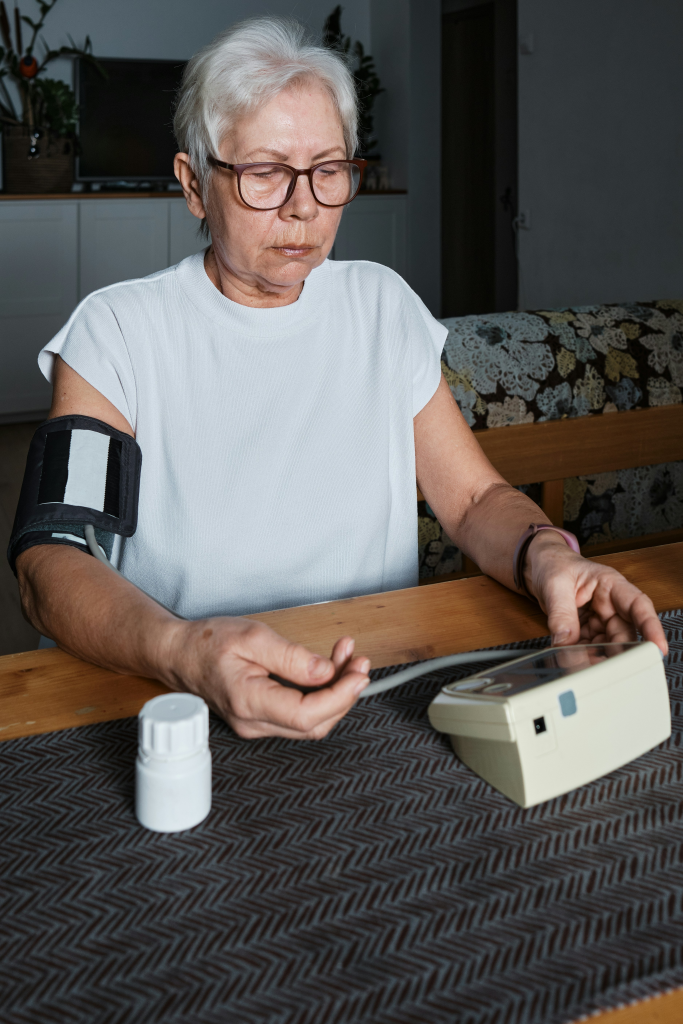
The initiative is also supported by research funded by the National Institute for Health and Care Research (NIHR), including a £1.7 million program exploring the use of remote tools to monitor patients with motor neuron disease (MND). The goal is to design a care model that allows for regular health assessments without the burden of frequent hospital visits, offering patients a more comfortable and convenient experience.
Health Secretary Wes Streeting has been actively involved in the project, emphasizing the importance of digital transformation in easing pressure on the healthcare system:
“Using tech to bring care closer to home frees up hospital appointments for those who truly need them and makes life simpler for everyone. That’s our mission: care that’s easier, faster, and always within reach. […] We are building a smarter NHS all while easing pressures on busy hospitals and stretched staff,” said Streeting.
Such remote monitoring technologies could also enhance the overall quality of care, as real-time access to patient data allows for quicker response to health deterioration — potentially reducing the number of hospitalizations and healthcare costs in the long term. However, as with all digital health initiatives, remote monitoring cannot replace face-to-face consultations entirely — meaning that periodic in-person visits will still remain an essential part of patient care.