


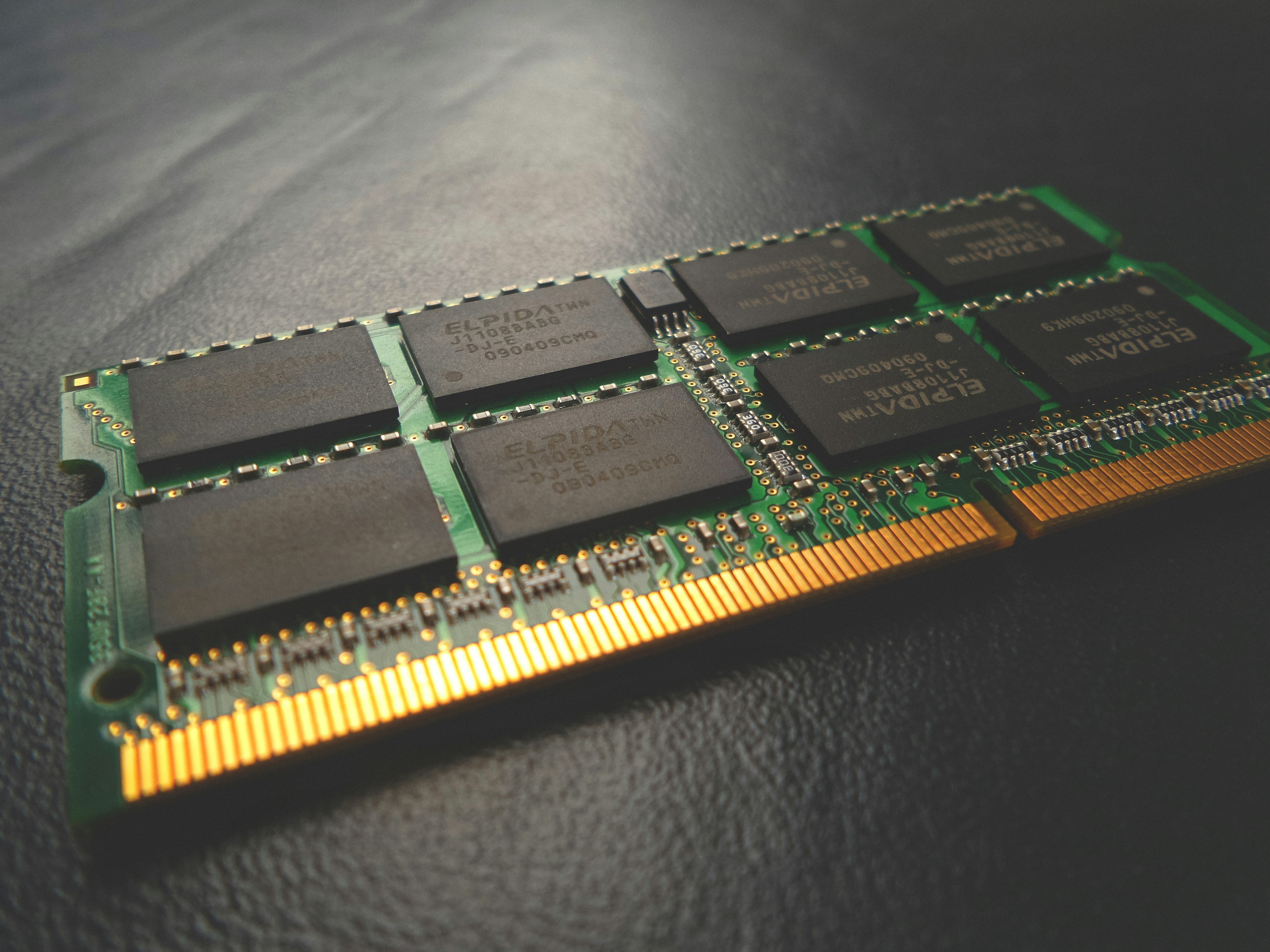
All signs suggest the golden era of cheap SSDs and low-cost RAM may be over. After a period of oversupply that benefited consumers with low prices, manufacturers such as Samsung, SK Hynix, and Micron sharply reduced production to force margin growth. The strategy is working — but according to Phison’s chief, the industry may soon cross a “critical point.”
The bleakest scenario concerns companies themselves. While market leaders are likely to survive turbulence, smaller firms operating on thin margins may not withstand the cost of components. A rapid memory price increase of several dozen percent can be an insurmountable barrier for many subcontractors. Cash-flow shortages and inability to secure expensive chips could trigger a wave of bankruptcies across the supply chain.
Although Pua did not explicitly say “companies will fail,” he agreed with that possibility when asked by a journalist, emphasizing the link between memory availability and firms’ ability to maintain production. The exchange has been confirmed by language-proficient sources, and summaries have circulated in industry media and on X.
The pessimistic outlook stems from an unprecedented supply-demand imbalance. AI data centers are currently absorbing the overwhelming majority of global memory output. The result has been sharp price spikes, with memory costs reportedly tripling, quadrupling, or even increasing sixfold in recent months.
Market structure is further intensifying the situation. As much as 93% of global DRAM production is controlled by just three companies, which — having learned from past overproduction cycles — now prioritize profitability and avoid rapidly building new fabs. This deliberate supply restraint amid exploding AI demand is creating a perfect storm across the electronics sector.
Indirect but telling signs of strain are also emerging: reports suggest even giants like Nvidia could skip launching a new gaming GPU for the first time in 30 years, while Apple may face difficulties securing enough memory not only for smartphones but also for SSDs in its computers.
The effects of the memory crunch could ripple across multiple technology segments, particularly smartphones, PCs, televisions, and appliances with built-in storage that require large amounts of DRAM and NAND. If current trends persist, the result may be not only higher product prices but also a restructuring of the electronics manufacturing landscape.