
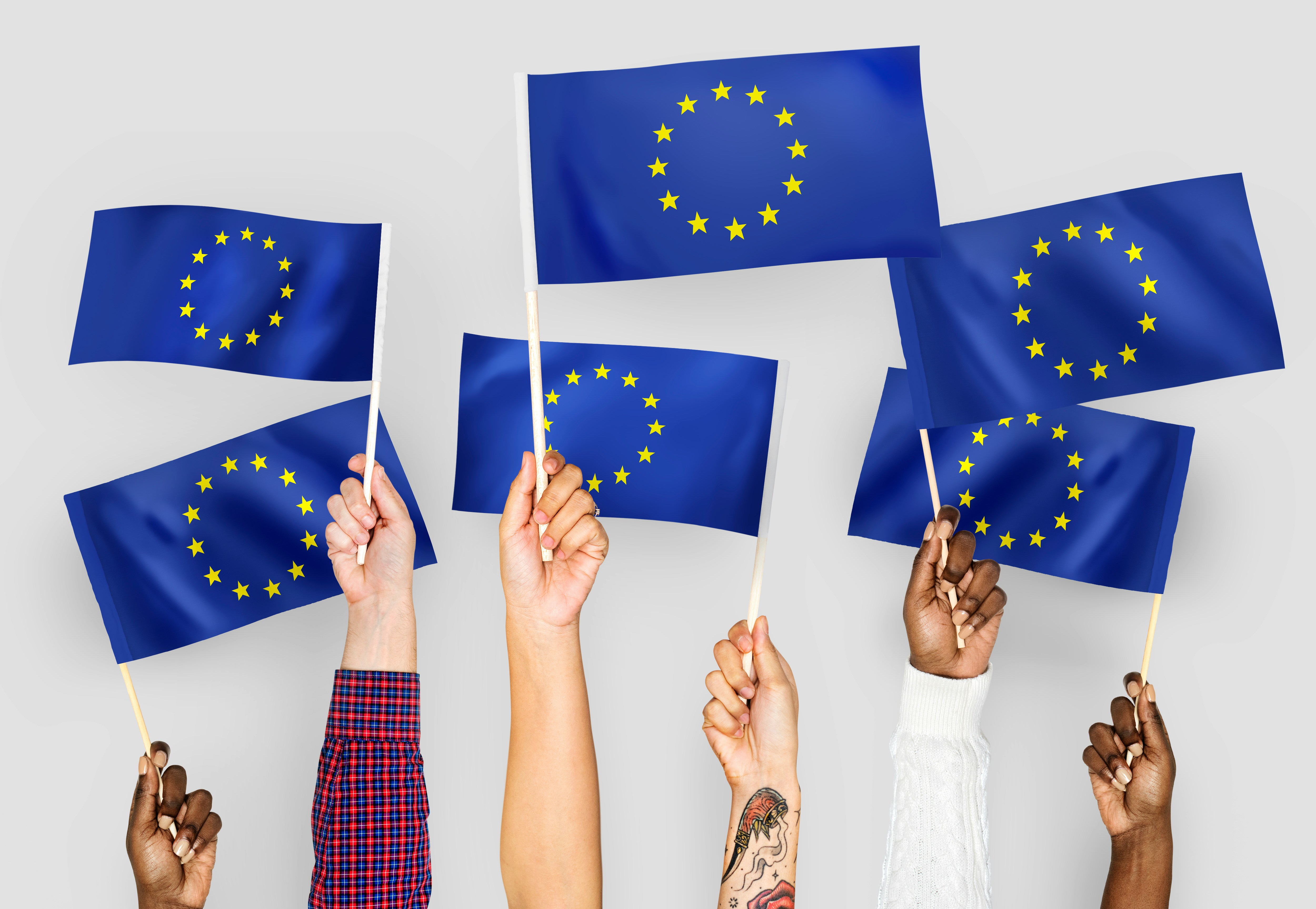
Until now, the European Union has been seen as the global gold standard for privacy and personal-data protection. But with the rapid rise of artificial intelligence, that appears to be changing. Much like in the United States, the EU now seems willing to take a friendlier approach toward Big Tech.
The proposal — known as the “Digital Omnibus” — is intended to help European startups and smaller companies compete globally, but it has already sparked criticism from digital-rights groups. Under the European Commission’s draft, the rules governing how companies can share anonymized and pseudonymized datasets would be simplified. In certain cases, firms would even be allowed to use personal data to train AI models, provided they meet the remaining GDPR requirements.
One of the most important changes involves extending the transition period for rules covering “high-risk” AI systems. Instead of taking effect next summer, these provisions would only become enforceable once appropriate standards and support tools for companies are in place — effectively delaying their real-world impact.
The proposal also includes cookie reforms: some “non-risk” cookies would no longer require explicit user consent, and cookie management could be centralized in the browser. This would eliminate the need to approve cookie banners on every website.
The European Commission argues that the reform is about simplification, not deregulation. Henna Virkkunen, Commission Vice-President for “technological sovereignty,” emphasized:
“We have all the ingredients in the EU to succeed. But our companies, especially our start-ups and small businesses, are often held back by layers of rigid rules.”
She added that the goal is to create “space for innovation to happen and to be marketed in Europe.”
While the changes may sound appealing from a business perspective, they also raise concerns that the EU’s role as a guardian of digital rights and privacy could be weakened. Organizations such as European Digital Rights (EDRi) and several data-protection experts warn that easing requirements for companies may translate into reduced protections for users. Leaked drafts of the proposal have already been criticized for making “concessions influenced by Big Tech.”
Debate over the AI-related provisions will likely be intense — the proposal next heads to the European Parliament and to EU member states, where it will require a qualified majority. Naturally, the project may undergo substantial amendments, and the final version could end up far more user-friendly than the initial draft.