
It’s no secret that the United States lacks federal-level regulation of artificial intelligence. AI companies today operate with limited transparency, and there are no clear laws around intellectual property or the safety risks associated with using AI systems.
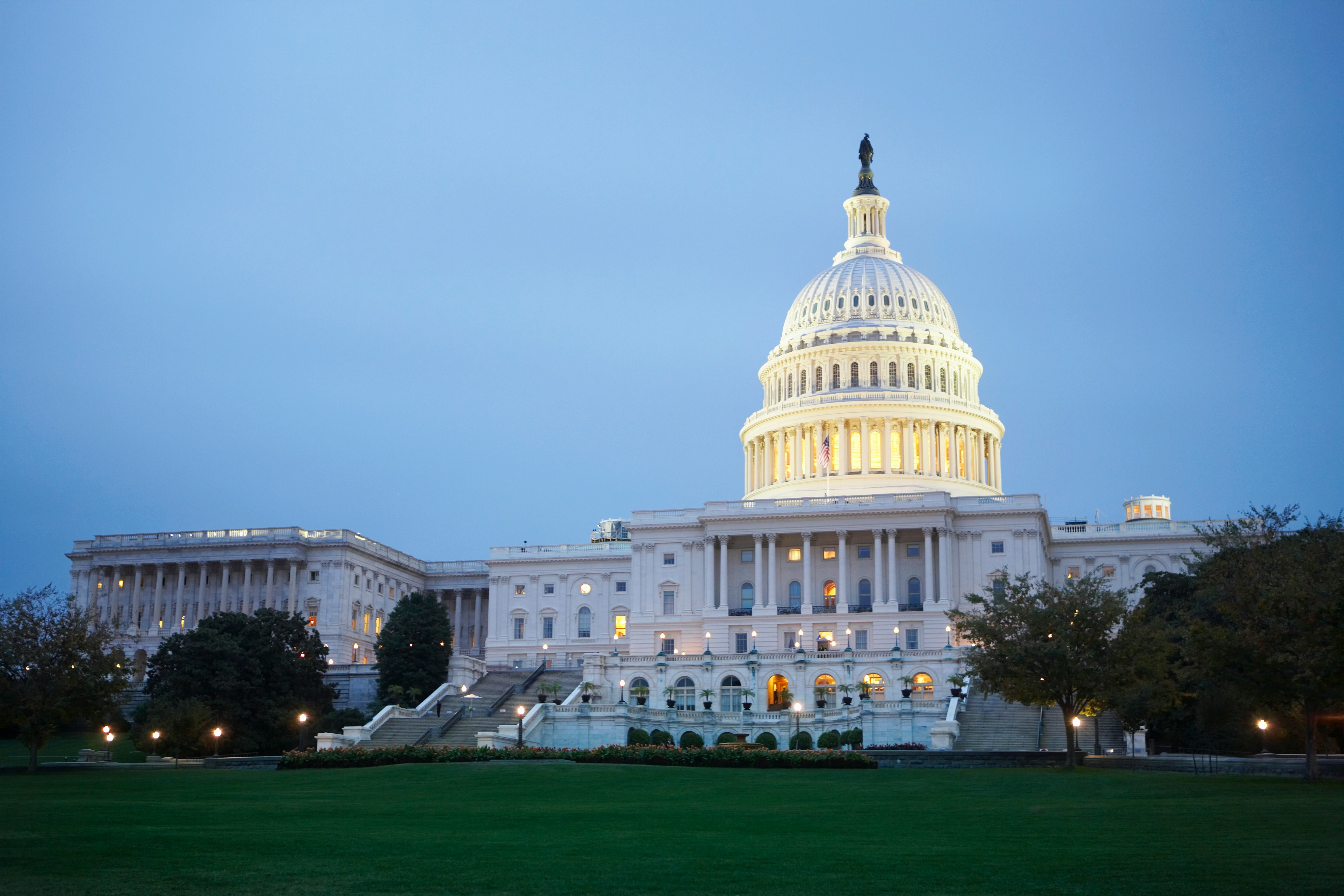
Members of Congress now plan to insert a moratorium on state AI regulations into the annual National Defense Authorization Act (NDAA) — a bill that nearly always passes. They argue that the moratorium is necessary to establish consistent federal standards and protect innovative businesses. Many states have adopted their own AI laws in areas such as child safety, consumer protection, and limits on algorithmic discrimination. The proposed moratorium could last up to five years.
A previous attempt to introduce such a measure failed — the Senate rejected it in July with a 99–1 vote, largely due to opposition from Democrats, consumer-protection advocates, and supporters of states’ rights. Now, House Majority Leader Steve Scalise has suggested that the provision could return in the upcoming NDAA, signaling that the debate over AI regulation remains very much alive.
Critics argue that the moratorium could restrict states’ ability to protect residents from AI-related risks, such as threats to children, copyright issues, or algorithmic bias. Supporters counter that temporarily freezing state laws would create the breathing room needed to develop unified federal regulations — rather than patchwork state rules that could hinder technological progress and weaken U.S. competitiveness against China.
Implementing the moratorium would require legislative compromise — determining its form, scope, and duration will be essential to overcoming resistance from some Democrats and state governors. If ultimately approved, it could significantly reshape the balance of regulatory power between states and the federal government and strongly influence the future of AI policy in the United States.
Experts emphasize that the moratorium is intended to be temporary and could provide time to craft comprehensive federal AI rules. At the same time, the rapid pace of generative-AI development — and its expansion into nearly every aspect of daily life — means that policymakers must act quickly at both the federal and state levels to create legal frameworks that protect citizens without stifling innovation.