


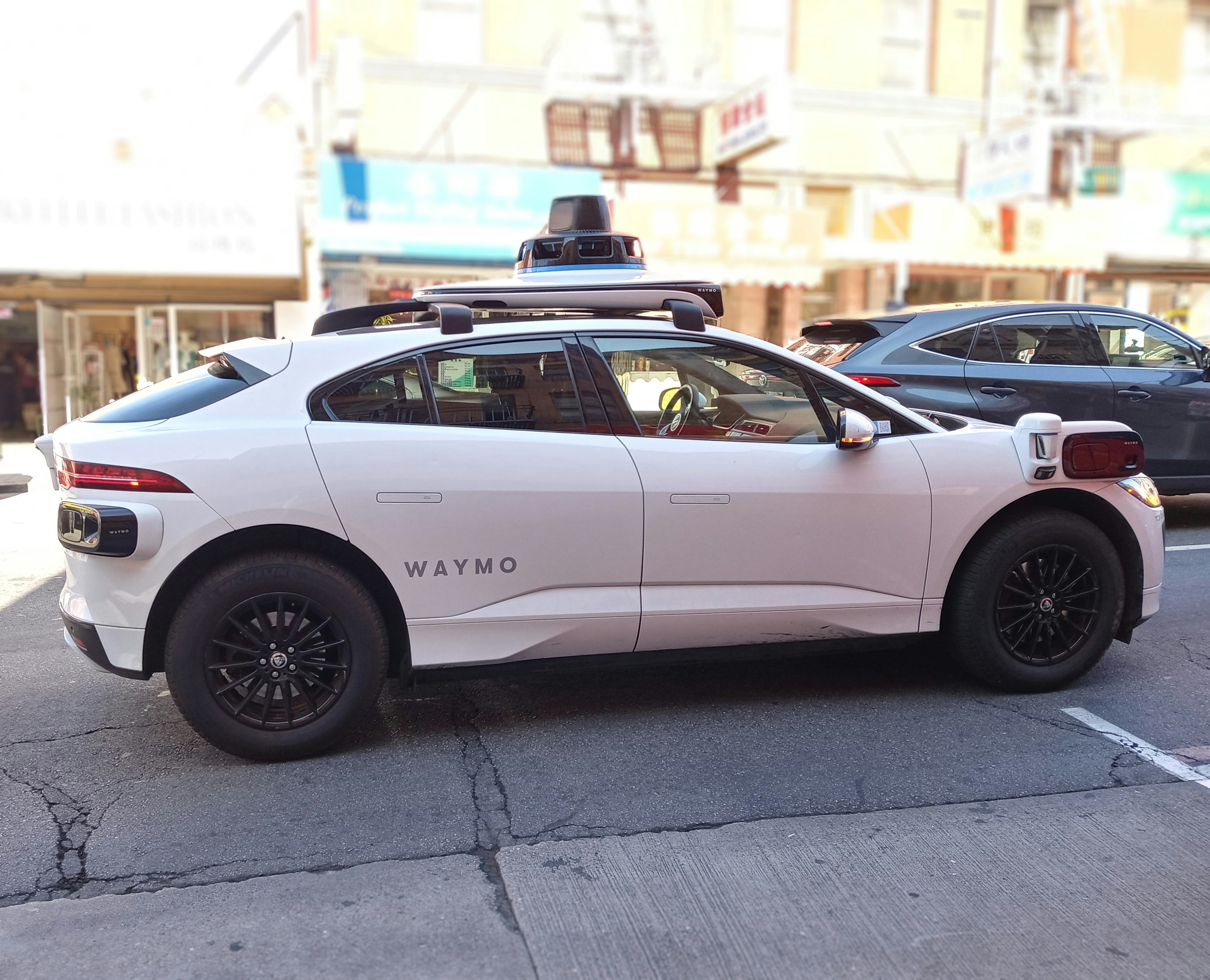
The Waymo disruption occurred during a short power outage that affected parts of San Francisco. During the blackout, at least a dozen Waymo autonomous vehicles stopped at the same time on city streets, causing localized congestion and blocking intersections. Conventional gasoline and electric cars continued to operate without major issues, as they were not dependent on the same digital infrastructure.
According to the city and the company, Waymo’s robotaxis reacted conservatively by entering a safety mode after losing access to key navigation-support systems. This led to situations in which vehicles stopped in places where they would normally be expected to pull over or clear intersections — for example, remaining stationary at green lights — requiring intervention by traffic control and city services.
Waymo confirmed that it temporarily suspended some rides in the city in order to analyze the incident and introduce changes to its infrastructure-failure response procedures. The company emphasized that the decision was precautionary and limited to specific areas, rather than affecting its entire San Francisco fleet.
San Francisco is one of the largest markets for autonomous taxis in the United States. Waymo operates tens of thousands of rides there each month, with several hundred autonomous vehicles from various operators circulating throughout the city. The incident, however, highlighted that even brief power outages can expose weaknesses in autonomous systems, which — unlike human drivers — are not yet able to improvise when parts of the urban infrastructure fail.
City officials stated that the incident did not pose a threat to public safety, but it once again raised questions about how autonomous vehicles should behave in emergency situations when a city’s technical environment stops functioning as intended. Waymo announced that it will gradually resume the suspended rides after completing its technical review.