


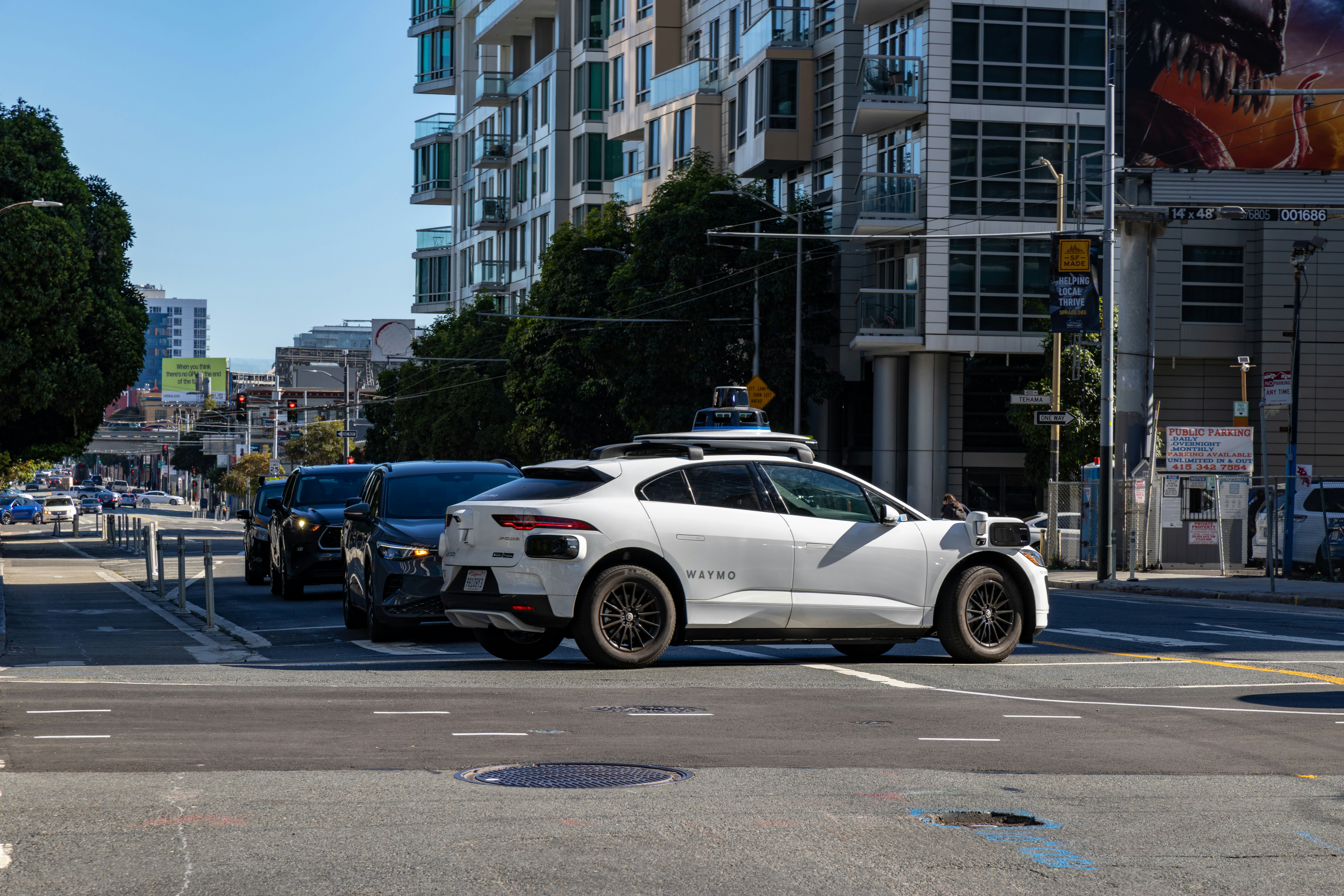
Although the idea sounds futuristic, autonomous taxis are nothing new — Waymo has been running such services for years, allowing residents of selected U.S. states to travel in driverless cars. In 2026, a similar solution is coming to Abu Dhabi, the capital of the United Arab Emirates — but this time operated by Uber and WeRide.
WeRide, one of China’s leading autonomous-driving companies, has already begun testing vehicles in Abu Dhabi, and Uber will serve as the “service layer” — meaning passengers will order robotaxi rides directly through the Uber app. The robotaxis will operate fully autonomously within designated areas of the city, in accordance with UAE regulatory requirements. According to both companies, the first phase will involve a limited fleet and defined routes before expanding to a wider area and more passengers.
The United Arab Emirates view autonomous transport as a strategic sector for future logistics. Abu Dhabi and Dubai have been actively testing driverless systems — from buses to delivery robots — and in 2023 Dubai announced a plan for 25% of all trips in the city to be completed by autonomous vehicles by 2030. The Uber–WeRide partnership fits into this strategy by combining the world’s most popular ride-hailing app with China-developed Level 4 autonomous-driving technology.
WeRide previously tested its robotaxis in the UAE (with trials dating back to 2021), as well as in China and the United States. According to local media and company reports, WeRide has been running autonomous-vehicle trials on Abu Dhabi roads for years, and the new robotaxi fleet has been cleared for operation in regular traffic. At the launch of the service, the companies were told that the regional fleet includes more than 100 robotaxis operating across the Middle East.
Initially, the robotaxi service is available in selected zones — including the popular tourist destination Yas Island — with plans to expand the autonomous-operation area by the end of 2025. The companies and local authorities emphasize that the new service could become an important step toward “smart mobility” in the UAE — benefiting residents, tourists, and transport-policy goals aimed at reducing private car traffic and lowering emissions.