
I’ve lost count of how many times I’ve seen so-called “doctors” on TikTok or YouTube telling unsuspecting viewers that they can “cure cancer” with intravenous vitamin C infusions, or that eating raw meat is healthy for humans. As this new study shows, the influence of social media on potential patients is far more powerful — and worse — than I expected.
The survey, conducted in October 2025, included a random sample of verified healthcare professionals recruited through Inlightened. A full 79% said online misinformation leads people to accept or use potentially harmful, unproven therapies. At the same time — which is, in my view, even more troubling — 78% observed a decline in trust in evidence-based medicine.
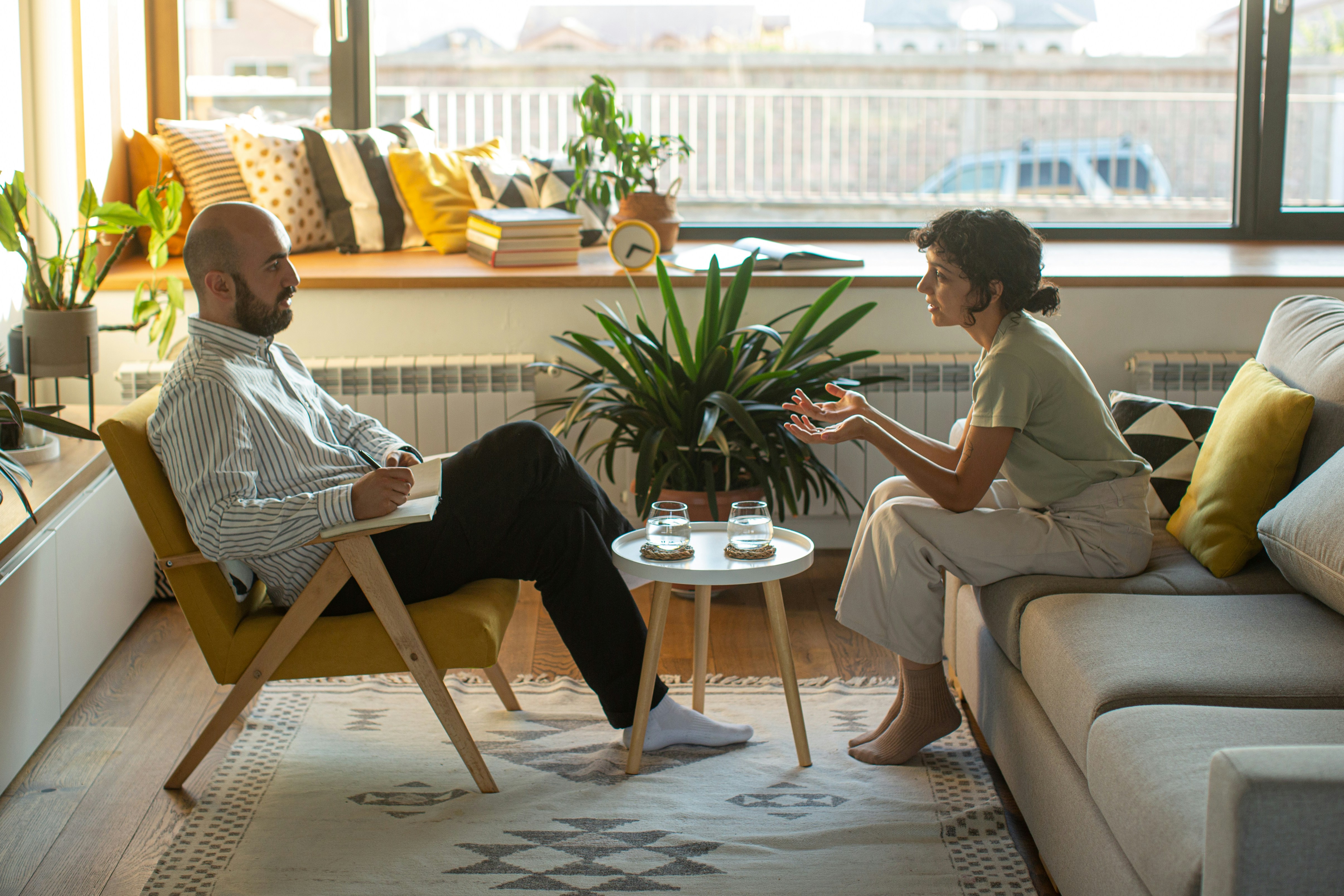
The results also show that information fragmentation is changing the nature of medical consultations. 53% of respondents said patients “always” or “usually” bring social-media-derived information to their appointments. For one in three physicians, this “knowledge” is “rarely” helpful in guiding conversation or treatment. The report’s authors and quoted experts emphasize that the scale of the problem increases the burden on clinicians — instead of focusing solely on care, doctors must increasingly spend time debunking false claims.
The report also highlights the barriers healthcare professionals face when engaging on social platforms. While 70% believe more scientific voices are needed on TikTok and YouTube, many fear the risks associated with online activity: 44% feel the reward does not outweigh the risk, and 32% cite concerns for their own safety or their family’s. At the same time, some respondents say that simple support — such as an assistant for planning and publishing posts — would increase their willingness to share reliable information.
Unfortunately, the findings align with broader trends in medical misinformation, which accelerated during the COVID-19 pandemic. Previous analyses showed that a large share of popular posts about medical tests and “miracle cures” contained misleading or insufficient information about risks and harms — contributing to overdiagnosis, unnecessary testing, and exposing patients to dangerous practices. These studies included analyses of influencers promoting tests and therapies on Instagram and TikTok.
How can this dangerous trend be reversed? First, through proper education — starting in schools but also targeting adults. Governments should run long-term information campaigns that don’t try to forcefully “convert” people influenced by social media. Instead, such campaigns should span years and use real, concrete examples to show the dangers of listening to online “miracle healers” selling snake oil.