
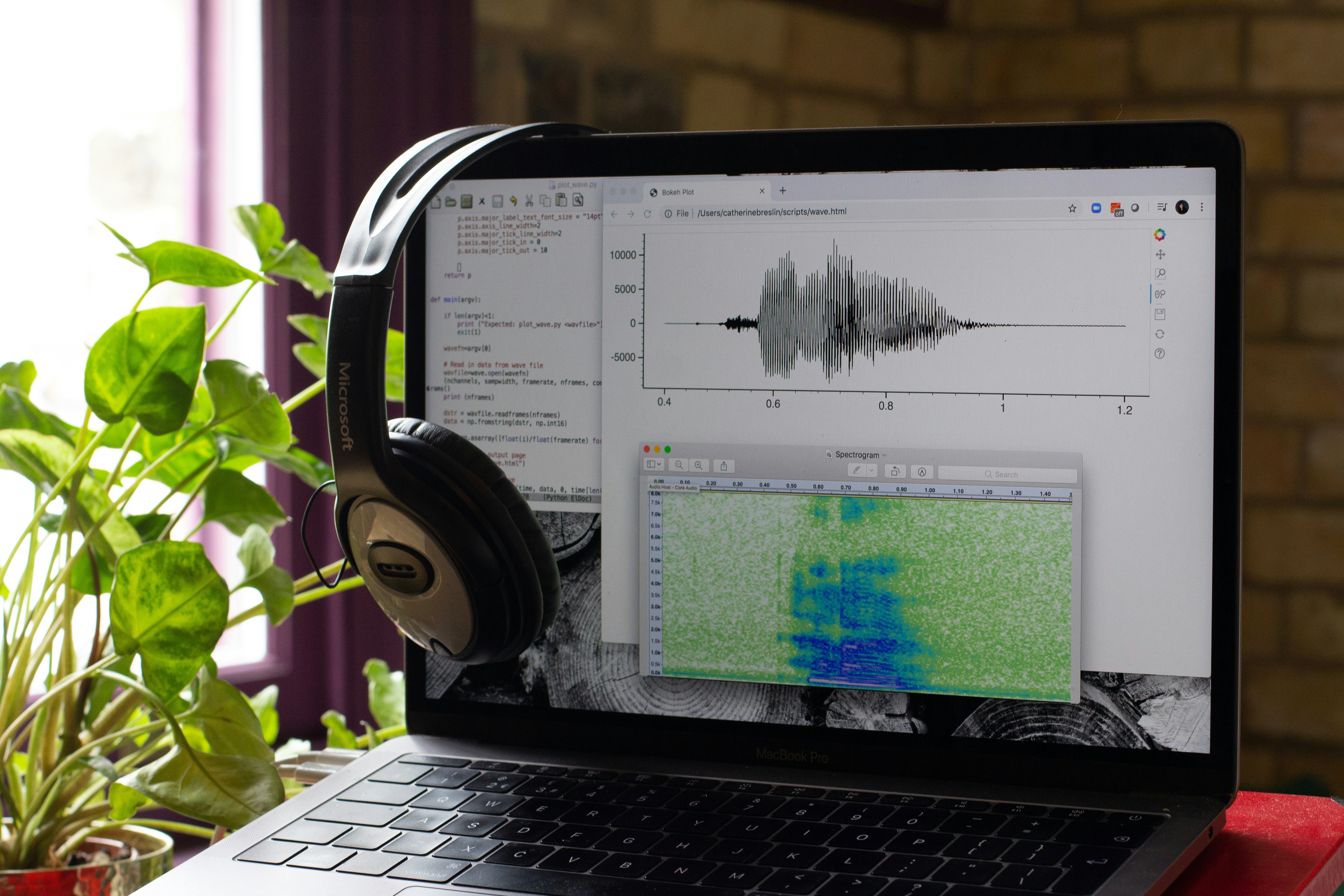
Thanks to artificial intelligence, it’s now possible to “revive” deceased actors on screen or alter the voices of living performers. These tools can be extremely useful, allowing filmmakers to precisely tailor productions to audience expectations. But the accessibility of such technology also has a darker side — something the acclaimed actor has experienced firsthand.
Freeman admitted in media interviews that many AI companies are generating audio with his voice without obtaining consent. “My legal team has a lot, a lot of work,” the actor said.
Freeman stresses that his voice is not only a recognizable trait but also a source of income: “I don’t appreciate it and I get paid for doing stuff like that, so if you’re gonna do it without me, you’re robbing me,” he said, clearly frustrated. His lawyers have already identified “quite a few” instances of synthetic audio systems using his vocal likeness.
The actor also points to the broader threat posed by rapidly advancing voice technologies. Without proper regulations, AI could increasingly imitate well-known personalities, undermining job markets for actors and voice-over professionals. He also criticizes so-called “AI actresses,” such as the virtual “Tilly Norwood,” whose voice is attributed to computer-generated productions — warning that this sets a dangerous precedent.
Freeman joins a growing group of actors pushing back against the uncontrolled use of their vocal identity in AI tools. The issue raises fundamental questions about copyright, compensation, and a creator’s autonomy in the age of generative artificial intelligence — and about who should ultimately control the “voices” of the future.
He believes that without clearly defined regulations, the number of lawsuits will rise dramatically, because actors are genuinely suffering from this practice.
There are also potentially dangerous implications for ordinary people, who may become victims of cybercriminals impersonating, for example, a grandchild in a phone call — desperately asking a beloved grandfather for money.