


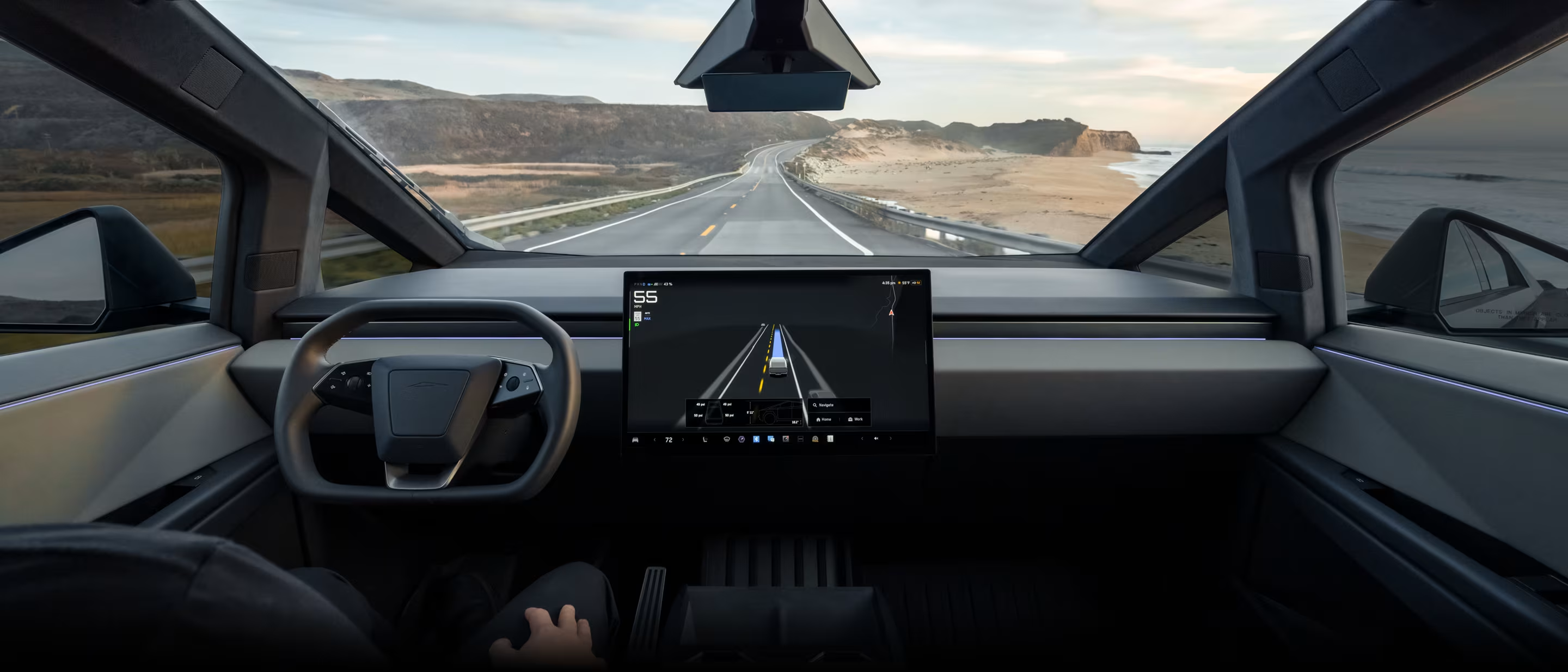
Tesla has received official regulatory approval to expand its Full Self-Driving (FSD) testing program in Sweden. Strängnäs has officially become the second city in the country to permit such operations. This decision is a continuation of efforts launched in January 2026, when the city of Nacka issued a similar approval.
It seems the issuance of another permit should greatly please Tesla. Until recently, the American manufacturer hasn’t had many opportunities to test FSD systems within the European Union—a point Elon Musk has repeatedly complained about. The Strängnäs permit shows that Tesla does not intend to limit itself to a single, local testing hub within the country, but is actively pushing for a broader deployment of its system across Sweden. As reported via X by the Teslascope profile (considered a reliable source tracking Tesla software updates), approval for the testing program is the first and absolutely essential step that will ultimately allow for the over-the-air deployment of FSD features to the private cars of Swedish customers.
However, it is important to remember that the current green light for the testing program is not the same as a full market rollout of the technology. This approval applies exclusively to supervised testing. This phase allows Tesla to safely navigate selected roads and collect the data necessary to prove regulatory compliance. Only after building a sufficient database will the company be able to apply for final approval for wide release of the feature to customers (Full FSD deployment approval).
Choosing Sweden for the European FSD expansion is no coincidence. The country boasts a very high adoption rate for electric vehicles (EVs) and a market geared toward technological innovations. From Tesla’s perspective, each such approval is a small but vital building block in establishing a history of regulatory compliance in the European Union, which could significantly facilitate and accelerate the system’s rollout in other countries in the future.
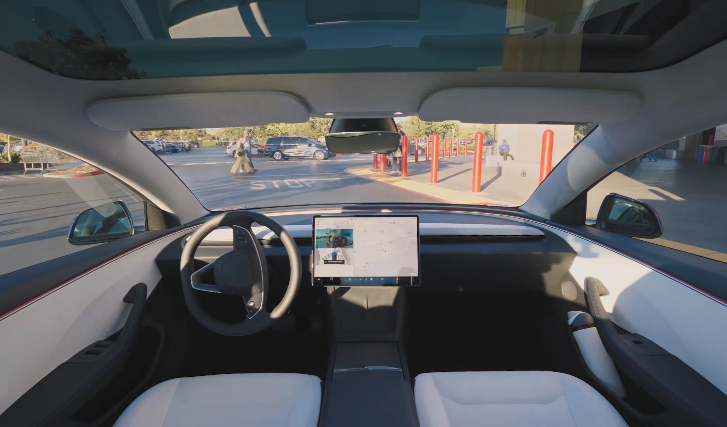
Experts suggest that Swedish Tesla owners should treat today’s news as a starting gun, even though there are still several checkpoints before reaching the finish line and the widespread use of autonomous driving on European roads. Nevertheless, it is clear that the process has officially been set in motion. For now, the only recommendation for drivers is to regularly keep their vehicles’ software updated and await further decisions from officials.