


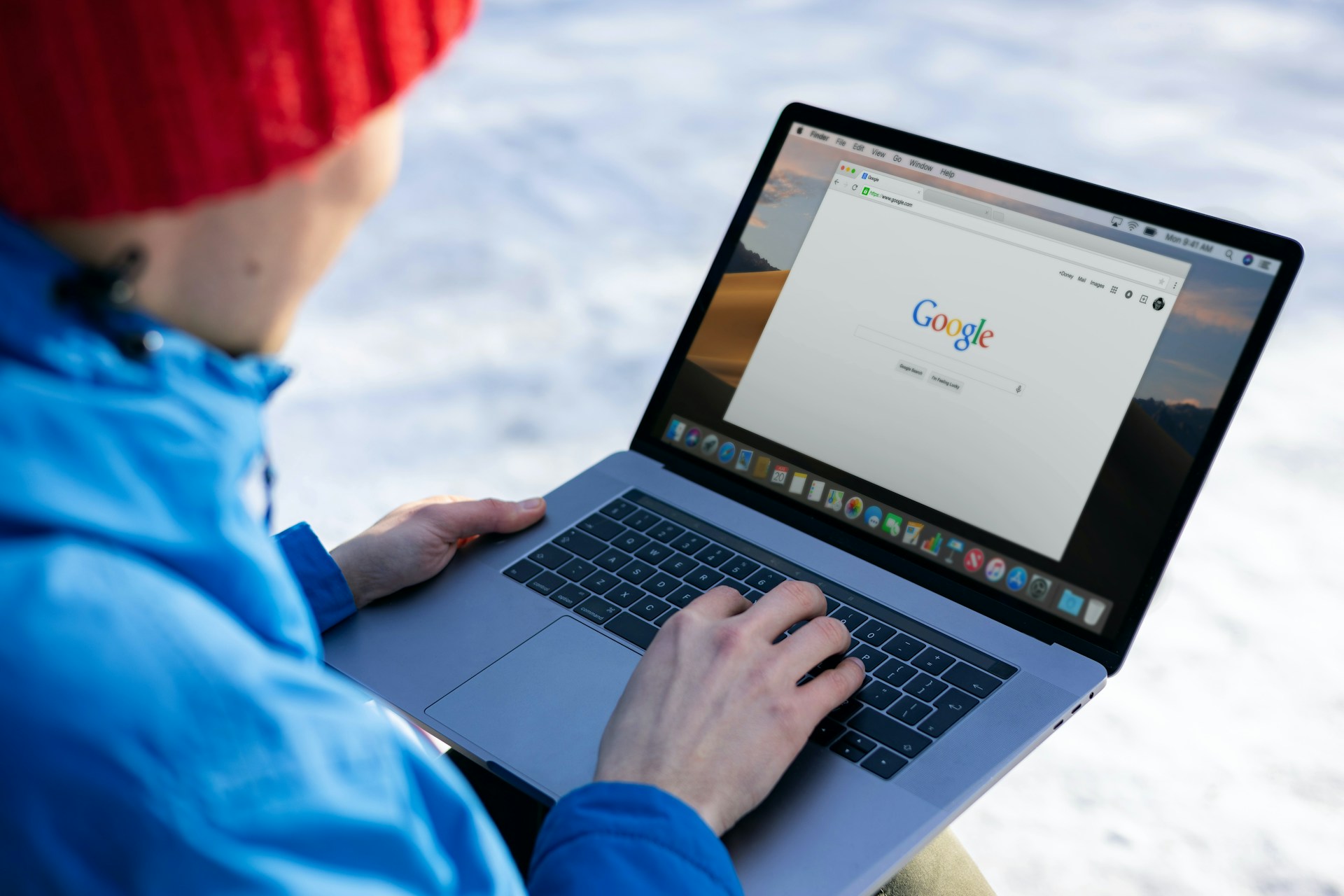
Over 15 years after the debut of the first Chromebooks, Google is making a radical shift in its laptop portfolio. Through its official company blog and at its May tech events, it announced a new hardware platform: the Googlebook. This project effectively signals the sunset of the lightweight, browser-based ChromeOS in favor of a more powerful hybrid codenamed “Aluminium OS.”
The new software is designed to merge the best aspects of the Android environment with the flexibility of the Chrome browser. The entire system is being built from the ground up around Gemini AI modules. The real revolution in navigation is expected to be a smart cursor – the so-called “Magic Pointer.” Developed in collaboration with Google DeepMind, the tech will allow users to instantly summon AI with a quick shake (“wiggling”) of the cursor. The system will immediately analyze elements highlighted on the screen – like a date in an email – and suggest a specific, contextual action.
The rollout of Googlebooks is a clear attempt to challenge Apple head-on. The resemblance to MacBooks extends beyond the naming convention; it is most apparent in the promise of premium-built hardware (created in partnership with brands like Dell, HP, and Lenovo) and a closed, tight-knit ecosystem. Google is betting heavily on full synergy. The new laptops will allow users to seamlessly run apps installed on their Android smartphones straight from their computer desktop, bypassing the need for downloads or tedious setup. The company also teased a hardware differentiator in the form of a “Glowbar” – a dedicated light strip on the chassis.
Despite the massive ambitions and a heavy push toward innovative AI features (such as generating custom widgets via text prompts alone), some concerns are hard to shake. History shows that Google’s past skirmishes with Apple in the laptop market haven’t exactly been success stories. While Chromebooks once successfully dominated the US education sector thanks to their low price tag and high virus resistance, they never quite took off in the professional and premium markets. An overreliance on web apps alienated practically all mainstream consumers.
This time, the Mountain View giant is trying to patch those gaps by introducing a full-fledged environment built on the Android kernel, optimized for large screens and multitasking. It will take the next few quarters to see if the market treats Googlebooks as a worthy rival to macOS and Windows, or if this new venture will suffer the same fate as Google’s earlier experiments. It seems that without manufacturing its own hardware from A to Z, as it does with the Pixel smartphones, pulling this off might be an uphill battle.