


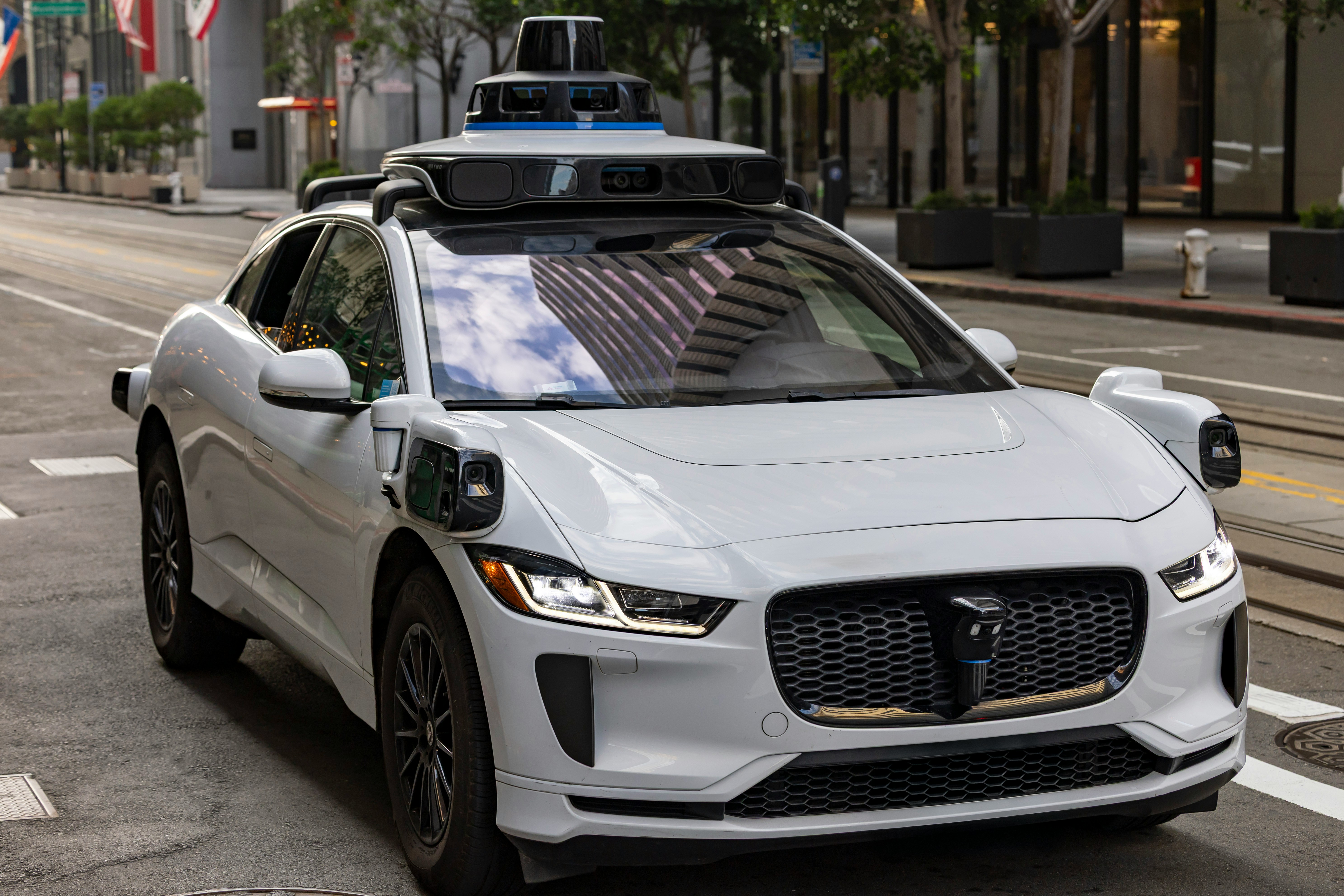
Waymo is currently developing a model based on a fully controlled robotaxi service, operating in limited areas of cities such as Phoenix, San Francisco, and Los Angeles. The company relies on an extensive—and very expensive—sensor suite combining lidar, radar, and cameras, and it expands service only where the system has reached a high level of reliability. This approach resembles building transportation infrastructure rather than selling a mass-market product.
Tesla is taking the opposite path—arguably swimming against the current. Instead of deploying a dedicated robotaxi fleet, it is developing Full Self-Driving software intended to run on millions of vehicles already sold. Elon Musk’s company relies almost entirely on cameras and computing power, betting that the scale of real-world driving data will allow it to refine autonomy algorithms more quickly. In this model, autonomous taxis would be an extension of Tesla’s existing customer base, not a standalone service.
These technological differences translate directly into distinct business risks. Waymo must absorb high operational and capital costs, but in return it gains greater control over safety and regulatory compliance. Tesla, meanwhile, can scale more rapidly and reduce per-unit costs, but Bloomberg notes that this approach carries greater regulatory uncertainty and depends heavily on whether the system can truly achieve full autonomy without additional sensors.
For now, both models remain economic experiments. Waymo has yet to prove that robotaxi services can be sustainably profitable at large scale, while Tesla has not launched a commercial driverless service. The market is therefore watching not only technological progress, but also which strategy will prove more viable under real urban conditions.
The Waymo–Tesla rivalry, while seemingly direct, is ultimately a test of two contrasting philosophies for deploying AI in transportation: one centered on precision, control, and limited rollout, and the other focused on scale, data, and incremental algorithmic improvement across millions of vehicles. Which approach succeeds may shape the future of autonomous urban mobility.