
In 2025, children and teenagers have virtually no restrictions on accessing social media — they can use it at home, at school and everywhere else. As warnings grow about the harmful effects of early exposure to social platforms, it’s no surprise that more and more policymakers want to limit access for the youngest users.
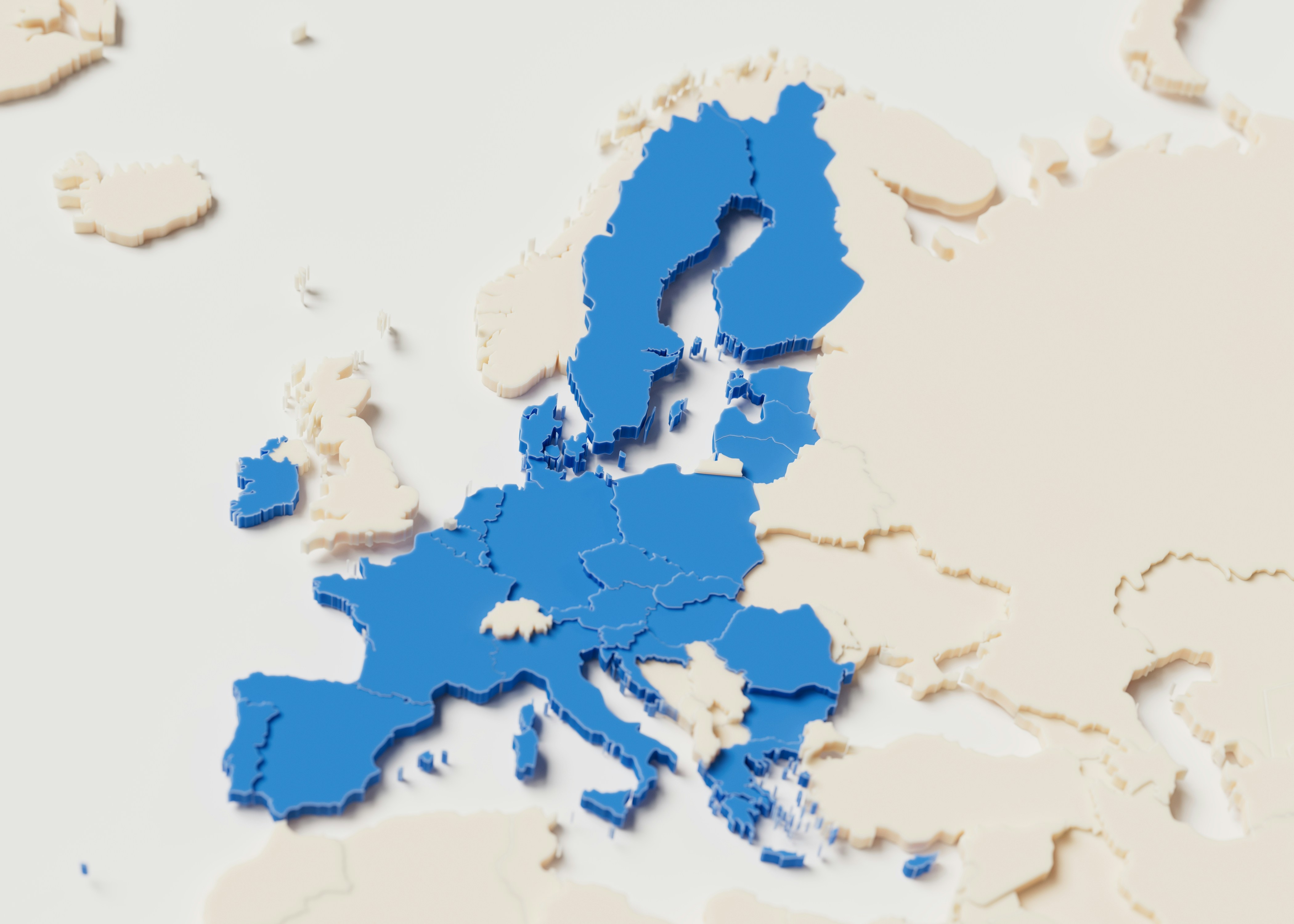
In an effort to protect children and adolescents, the European Parliament adopted a resolution (a non-binding recommendation) calling for a default restriction on access to social media, video-sharing platforms and AI chatbots for all users under 16, with access permitted only with parental or guardian approval.
In the vote held on 26 November, 483 MEPs supported the resolution, 92 opposed it and 86 abstained. And while — as noted — the document is not legally binding, it clearly signals political intent to introduce EU-wide legislative changes aimed at shielding minors from addictive recommendation algorithms, autoplay, endless scrolling (“doomscrolling”), and other engagement-driven design mechanisms.
The resolution was proposed by Danish MEP Christel Schaldemose and was adopted amid rising criticism of social platforms for potential harm to children — from sleep and concentration problems to mental-health issues, exposure to inappropriate content and social pressure. According to the authors, existing rules such as the Digital Services Act (DSA) — though offering protection against disinformation and illegal content — do not adequately address design features whose primary purpose is maximizing user addiction and time spent on platforms.
The proposal calls for the ban to cover not only social media, but also video-sharing services and AI-based tools that may pose similar risks. It also stresses the need for effective age-verification mechanisms — potentially via a European digital identity framework — and for enforcement measures against companies that fail to comply.
The resolution has already sparked criticism from some MEPs, who argue that decisions about young people’s access to social media should be made by families and individual member states, not centrally regulated by the EU. Others warn of risks to privacy and freedom of expression. It’s hard to say who is entirely right, but one thing is clear: existing child-protection mechanisms are not well suited to the fast-changing and easily accessible technologies of today — including AI chatbots.