


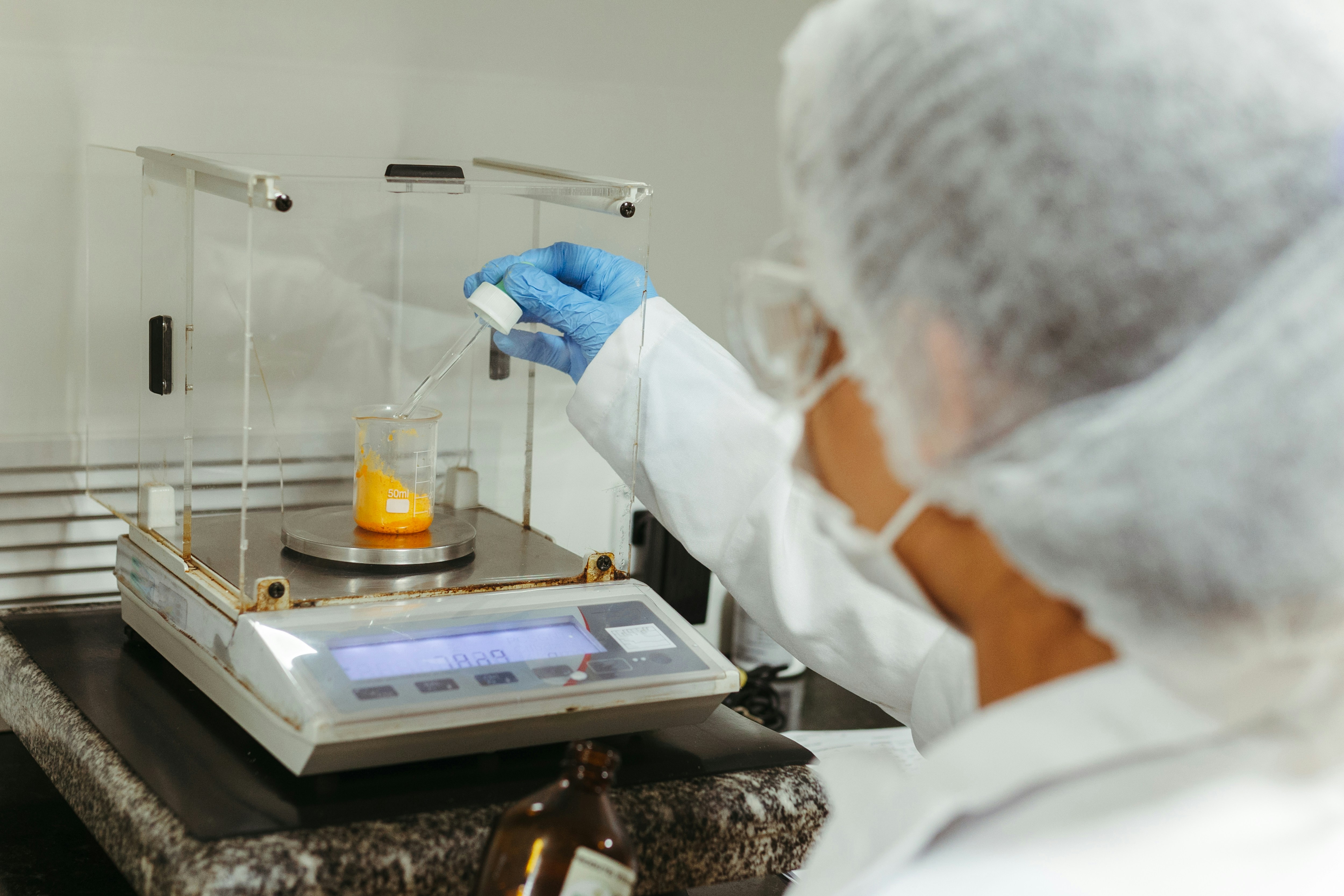
H&M has announced a partnership with Rubi Laboratories, a startup that has developed a method for turning carbon dioxide into raw materials for textile fibers. The goal is to reduce reliance on traditional materials like cotton and polyester, whose production comes with a heavy environmental footprint.
Rubi’s technology captures CO₂ and converts it into cellulose through biochemical processes. That material can then be spun into textile fibers with properties similar to conventional fabrics. The process is designed to be less resource-intensive than traditional fiber production, which often requires large amounts of water and chemicals.
The collaboration with H&M focuses on testing these materials in industrial conditions and exploring their potential use in apparel manufacturing. The company wants to see whether the fibers can scale and meet the quality and cost standards of the fashion industry.
According to Rubi Laboratories, the technology reframes CO₂ not as waste but as a usable input. In other words, it opens the door to partially closing the carbon loop in manufacturing processes.
For now, the project is still in the testing and development phase. No specific timeline has been announced for commercial rollout, and it’s unclear how quickly the technology can scale. Much will depend on production costs and how well it integrates into existing supply chains.
The fashion industry is one of the larger contributors to greenhouse gas emissions and resource consumption. Technologies that treat CO₂ as a feedstock are being explored as a way to shrink that footprint, though their real-world impact at scale is still very much an open question.