


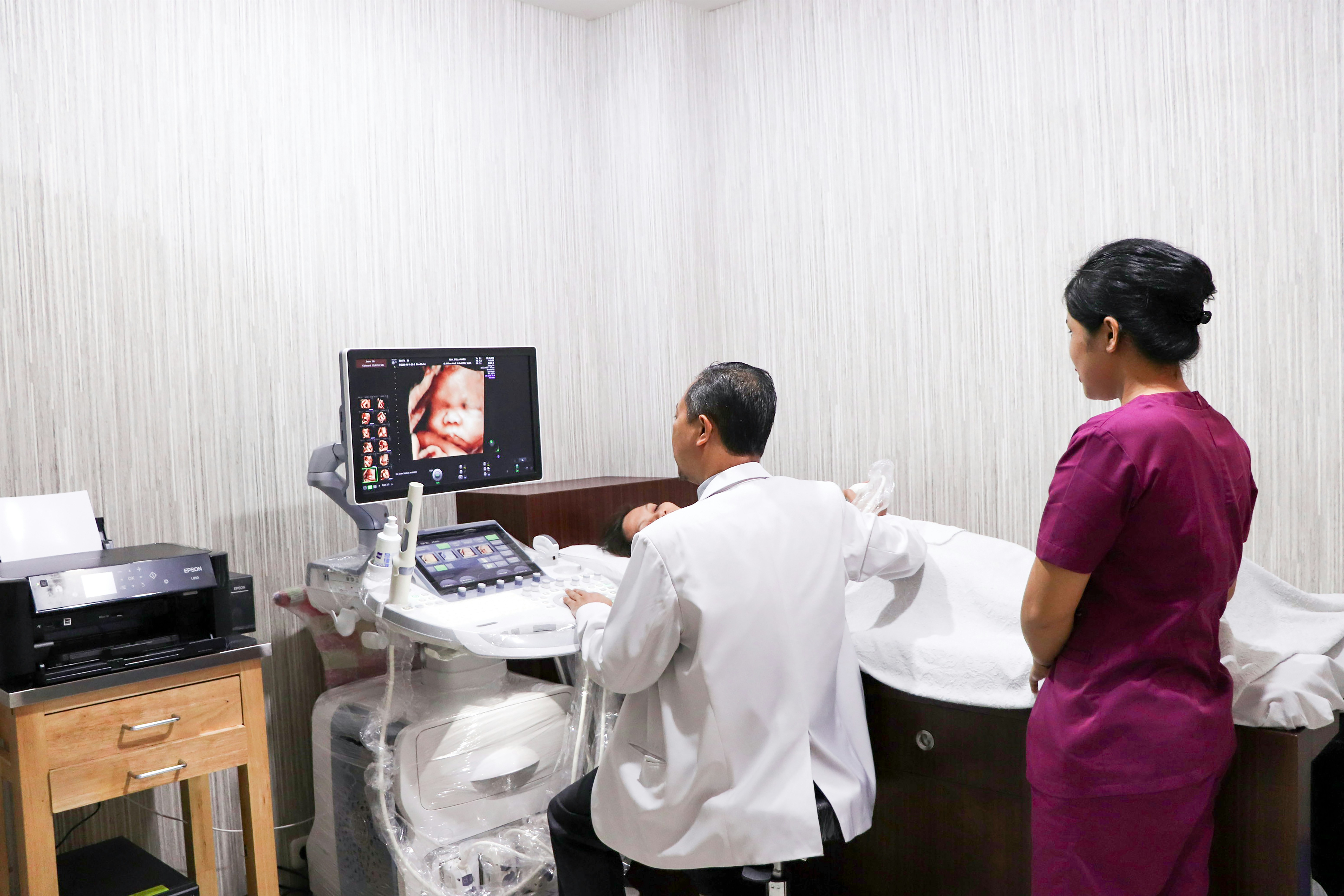
Israeli medtech startup Pulsenmore Ltd. has announced that it received De Novo clearance from the U.S. Food and Drug Administration (FDA) for its at-home prenatal care platform, the Pulsenmore ES. This marks the first time the FDA has approved an ultrasound device for home use by expectant mothers.
The Pulsenmore ES consists of a portable ultrasound transducer that connects to a smartphone, paired with a mobile app that guides the user step by step through the scanning process. Women can perform the scan themselves or during a live video session with a physician, and the recorded ultrasound clip is securely transmitted for professional review.
According to the company, the system has already been used in over 200,000 prenatal scans across Israel, Europe, Australia, and Brazil, demonstrating its readiness for broader global deployment.
Pulsenmore emphasizes that the device could revolutionize prenatal care in so-called “maternity-care deserts” — areas where there is fewer than one obstetrician-gynecologist per large population of expectant mothers. The company notes particularly high demand in 35% of U.S. counties, which lack sufficient infrastructure to provide ultrasound services in hospitals or clinics.
For the healthcare sector, the FDA’s decision represents a major regulatory milestone, paving the way for a new generation of remote and home-based diagnostic technologies. However, Pulsenmore ES is not intended to replace full clinical ultrasound examinations, and its use should be considered part of a comprehensive, physician-supervised prenatal care plan.
Experts also point out that the FDA’s decision could set a new direction for telemedicine, where advances in at-home diagnostics go hand in hand with AI-powered image analysis and interpretation. In the future, similar innovations may become standard in other medical fields — such as cardiac monitoring or neonatal care — where accessible, real-time diagnostics could prove invaluable.