


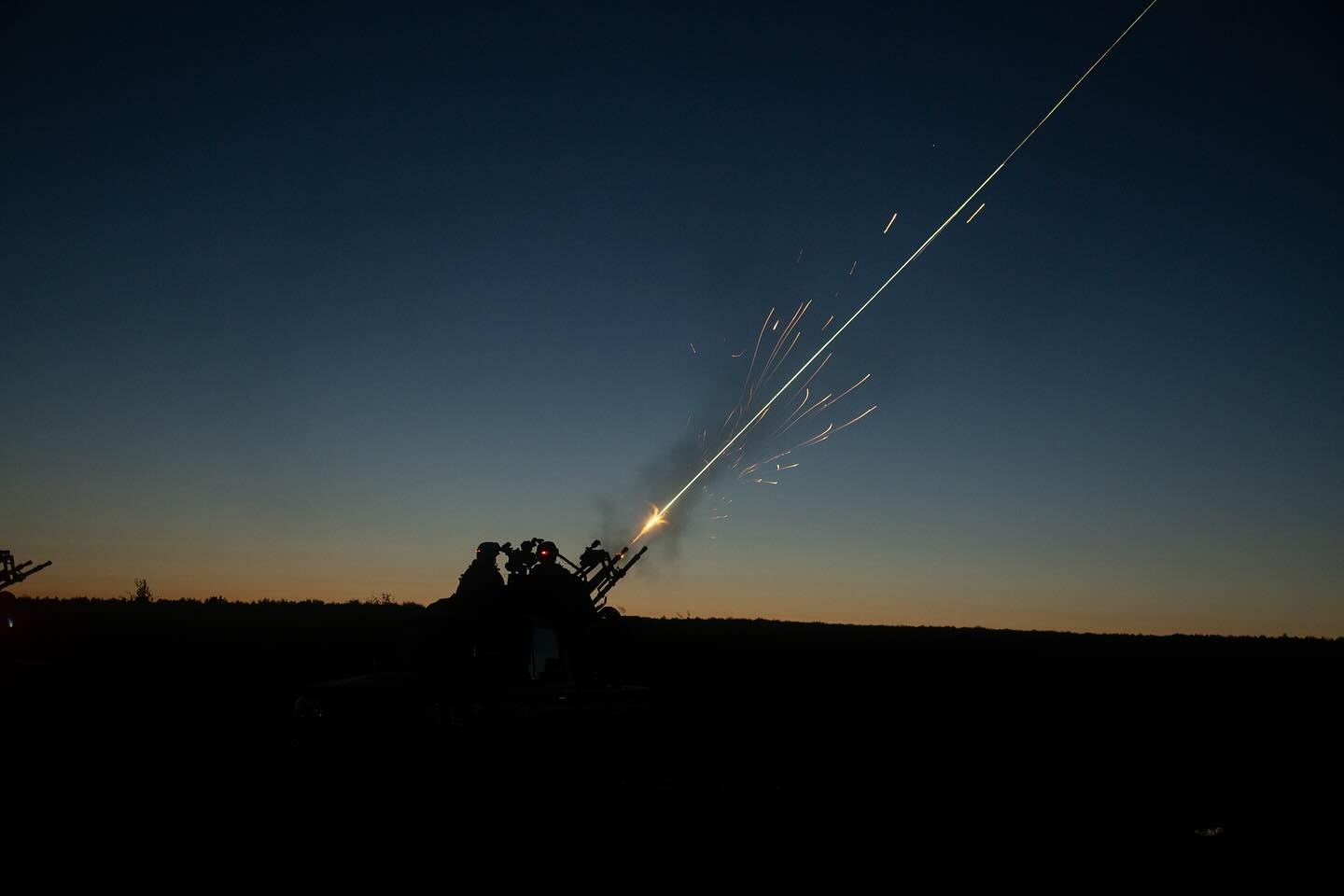
The Sunray laser system was demonstrated during trials in Ukraine. The platform is light and mobile enough to be mounted on a pickup truck or transported in the trunk of a car, highlighting its suitability for integration with ground-based air-defence units. During the test, the laser successfully engaged a small drone in flight and caused it to crash within a few seconds.
According to available information, development of Sunray took roughly two years and involved Ukrainian engineering teams working in close cooperation with military personnel. Although the developers have not disclosed the name of the company behind the project, the system is described as a domestically developed Ukrainian solution, created in direct response to operational needs arising from the war with Russia.
A key feature of the new system is its production cost. A single Sunray unit is estimated to cost “several hundred thousand dollars”, which is significantly less than many Western laser systems of a similar class. By comparison, a number of Western programmes — such as the U.S. Navy’s HELIOS system — have been developed under contracts worth hundreds of millions of dollars.
Technically, Sunray uses a laser beam directed at a target by sensors and tracking systems. During testing, operators equipped with cameras and observation equipment were able to automatically detect and track a small UAV. The laser beam — invisible to the naked eye — was then steered onto the target and, after a short exposure, caused the drone to lose control and fall.
Laser-based air-defence systems are not entirely new. Similar technologies have been developed by other countries and institutions, including the U.S. Navy, which has installed laser defence systems such as HELIOS on naval vessels in recent years. Sunray, however, reflects a different design philosophy — focusing on cheaper, more mobile solutions specifically aimed at countering small drones rather than large missile systems or heavily infrastructure-dependent air-defence platforms.
Experts note that systems of this type could significantly reduce the cost of responding to rapidly evolving airborne threats, particularly in scenarios involving swarms of small, low-cost UAVs that are difficult and economically inefficient to intercept using traditional missiles or conventional radar-based air-defence systems.