


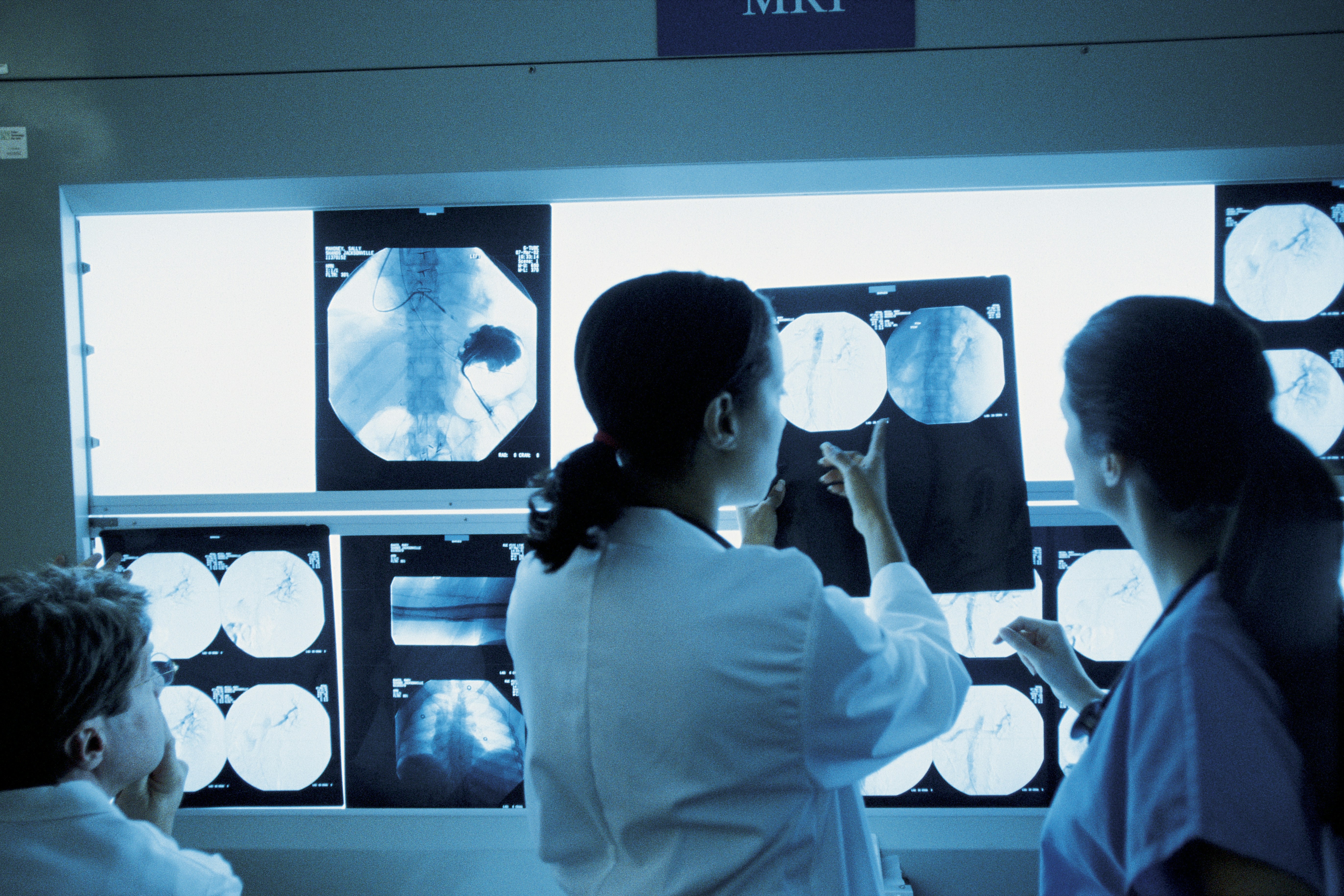
The AI program is designed to support physicians in identifying hard-to-detect lung nodules that may represent early signs of non-small cell lung cancer (NSCLC), the most common form of lung cancer. Detecting the disease at an earlier stage significantly increases the chances of effective treatment and improved patient outcomes.
The partners emphasize that a key goal of the initiative is to expand access to early diagnostic tools in communities with limited access to specialized care, including rural hospitals and community clinics. According to the companies, AI tools can assist not only in identifying suspicious lesions but also in managing care pathways and prompting follow-up diagnostics or treatment when needed.
Alexandra Goncalves, Vice President and Head of Digital Health at Bristol Myers Squibb, highlighted in a statement the combination of Microsoft’s scalable radiology solutions with BMS’s expertise in oncology and drug development. Together, they aim to create a “unique AI-powered workflow” that will help clinicians more quickly and accurately identify patients at risk of lung cancer and guide them toward the most appropriate precision therapies.
Lung cancer remains one of the most frequently diagnosed and deadliest cancers in the United States, with more than 220,000 new cases and over 125,000 deaths each year. Mortality rates are particularly high in populations with limited access to screening and treatment. Early detection, especially among patients without obvious symptoms, is widely regarded as a critical factor in improving cancer care outcomes.
The BMS–Microsoft partnership reflects the broader trend of growing AI adoption in medical diagnostics, encompassing both advanced imaging analysis and the integration of these tools into clinical decision-making workflows to shorten time to diagnosis and optimize patient treatment pathways.