


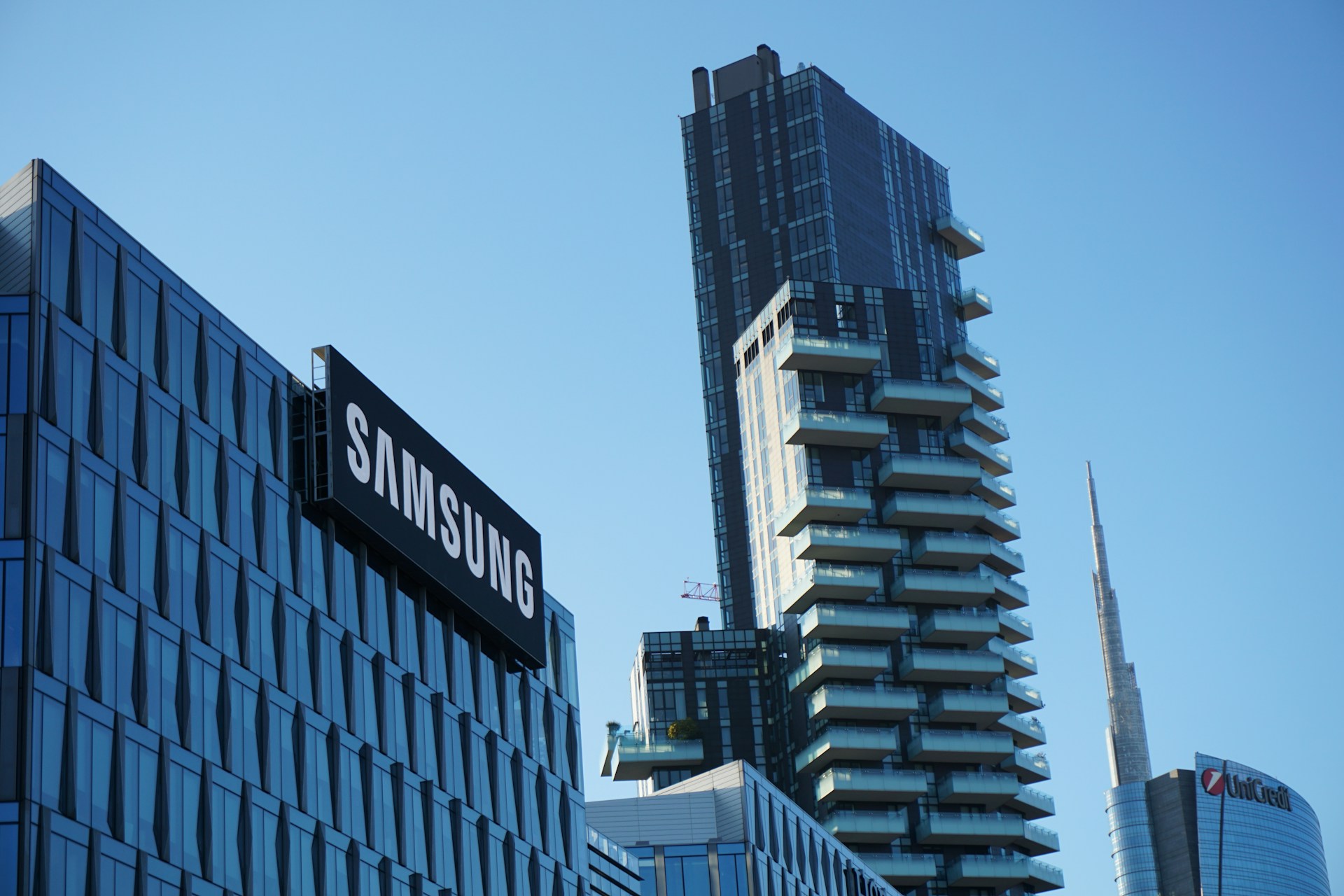
Artificial intelligence infrastructure, while primarily associated with Nvidia’s GPUs, is entirely dependent on advanced memory chips. Samsung, which produces roughly a third of the global DRAM supply, controls nearly two-thirds of the market alongside its domestic rival, SK Hynix. South Korean fabs are the most critical bottleneck in the global supply chain, and the planned 18-day strike by 45,000 unionized Samsung workers starting May 21 will mark the largest stoppage of its kind in the industry’s history.
The core of the dispute is purely financial, with massive bonuses at a competitor serving as a benchmark for the protesters. Last September, SK Hynix guaranteed its employees a 10% cut of its annual operating profit in the form of bonuses. Based on current projections for 2026, this translates to average payouts of $460,000 to $477,000 for each of SK Hynix’s 35,000 employees, with the potential to surge to $900,000 the following year.
Samsung’s union members are demanding similar treatment: allocating 15% of operating profit to the bonus pool, lifting the cap that limits bonuses to 50% of base salary, and a 7% wage hike. The company’s management has only countered with a one-time payout equivalent to 13% of the 2026 profit, with no permanent structural changes. The staff’s frustration is fueled by the fact that they received zero bonuses in 2024 due to a market downturn, and in just the last four months, roughly 200 experts have jumped ship from Samsung directly to SK Hynix.
Attempts to find a middle ground collapsed on May 13 after a grueling 17-hour negotiation session. The union rejected a proposal from the National Labor Relations Commission that included 40 trillion won ($26.7 billion) in bonuses and demanded direct talks with CEO Jun Young-hyun.
The costs of a potential shutdown could be catastrophic. A one-day warning strike in April slashed logic chip production by 58% and memory output by 18%. Analysts estimate that a full 18-day halt in operations will generate losses ranging from 30 to 100 trillion won. The company has already begun the process of winding down lines to avoid having to scrap in-process silicon wafers, which cost $20,000 apiece. JPMorgan estimates that simply caving to the union’s demands would dent the company’s 2026 operating profit by 7% to 12%, and combined with a production halt, it would cost the firm at least 2.1 to 3.5 trillion won.
The stakes for Samsung are massive. After losing its top spot to SK Hynix in the first quarter of 2025 (when the rival grabbed a 62% share of the high-bandwidth memory market, leaving Samsung with just 17%), the company recently managed to claw back its lead, and its entire production run of new HBM4 chips for this year is already sold out. The memory market is currently so tight that when Apple tried to secure supplies for the iPhone 17, Samsung demanded a 100% price hike as a negotiation tactic – which the Cupertino giant accepted on the spot without any pushback.
The situation is triggering repercussions at the highest political levels. On May 12, the president’s chief policy adviser, Kim Yong-beom, proposed paying out an “AI dividend” to South Korean citizens, funded by tax surpluses. That declaration alone sparked a brief stock market panic, causing the KOSPI index to plunge by 5.1% (wiping out $300 billion in value) before bouncing back to a record high of over 7,800 points – fueled by a massive retail investor buying spree totaling 6.7 trillion won. Combined operating profits for Samsung and SK Hynix are projected to hit a staggering 500 trillion won in 2026, with over 100 trillion won of that flowing into the state budget in the form of taxes.